11 Things Your Dog’s Poop Can Tell You About Their Diet
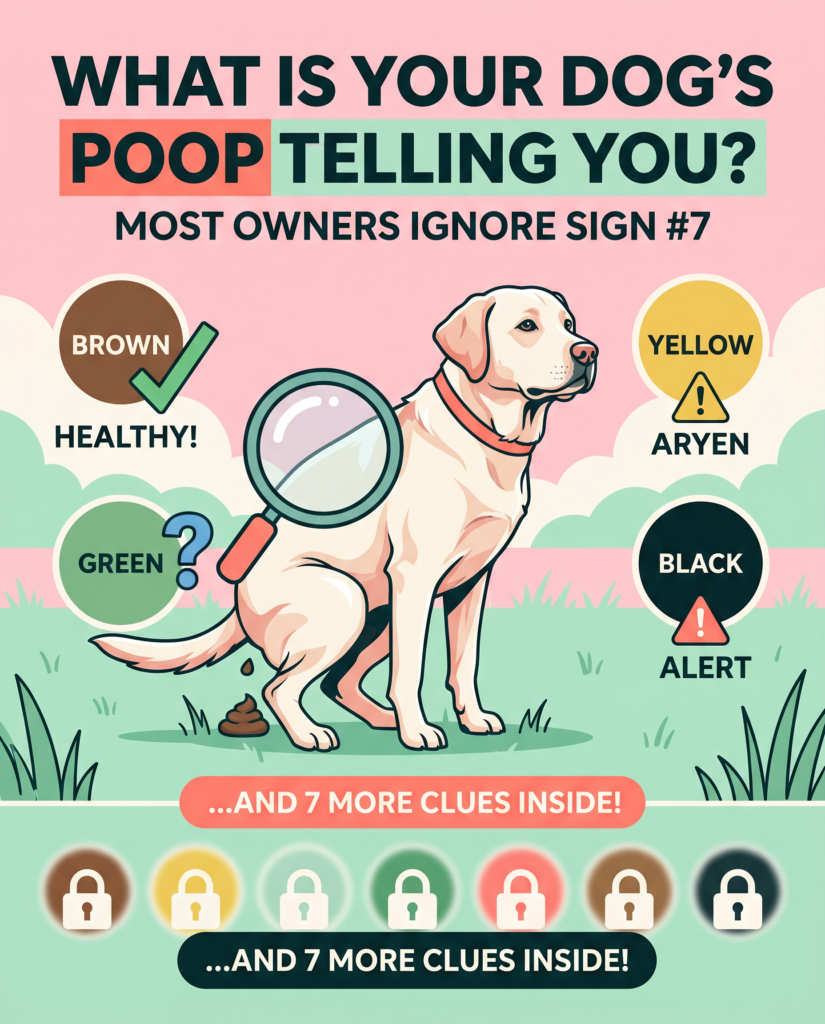
It’s not the most glamorous topic but what comes out of your dog tells you a lot about what’s going on inside. Experienced vets and dog owners know that stool consistency, color, frequency, and smell are all direct reflections of diet quality and digestive health. Before you reach for supplements or switch foods, check what your dog is already telling you. Here are 11 things your dog’s poop can reveal about their diet.
1. Brown and Firm — The Gold Standard
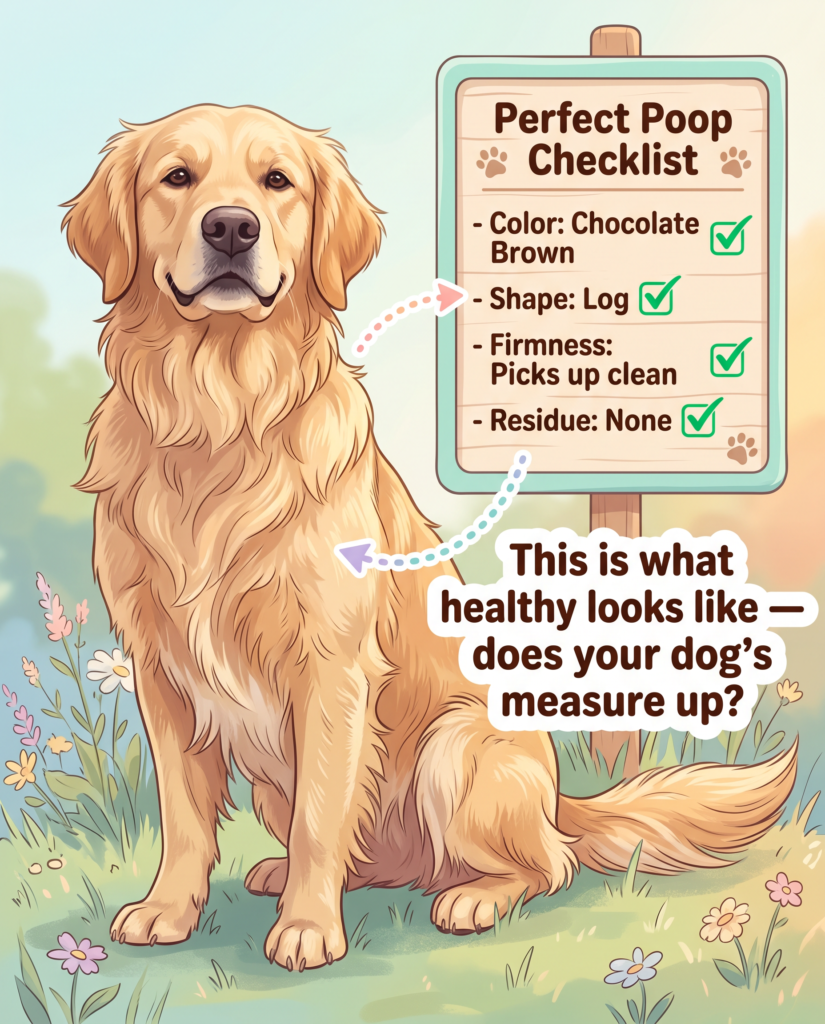
Healthy dog poop should be chocolate brown, log-shaped, firm enough to pick up cleanly but not rock hard, and should leave little to no residue on the ground. If your dog consistently produces poop that looks like this, their diet is working well for them. Any significant deviation from this baseline is worth paying attention to it’s your dog’s digestive system communicating directly with you.
2. Watery or Loose Stools — Something Isn’t Agreeing With Them
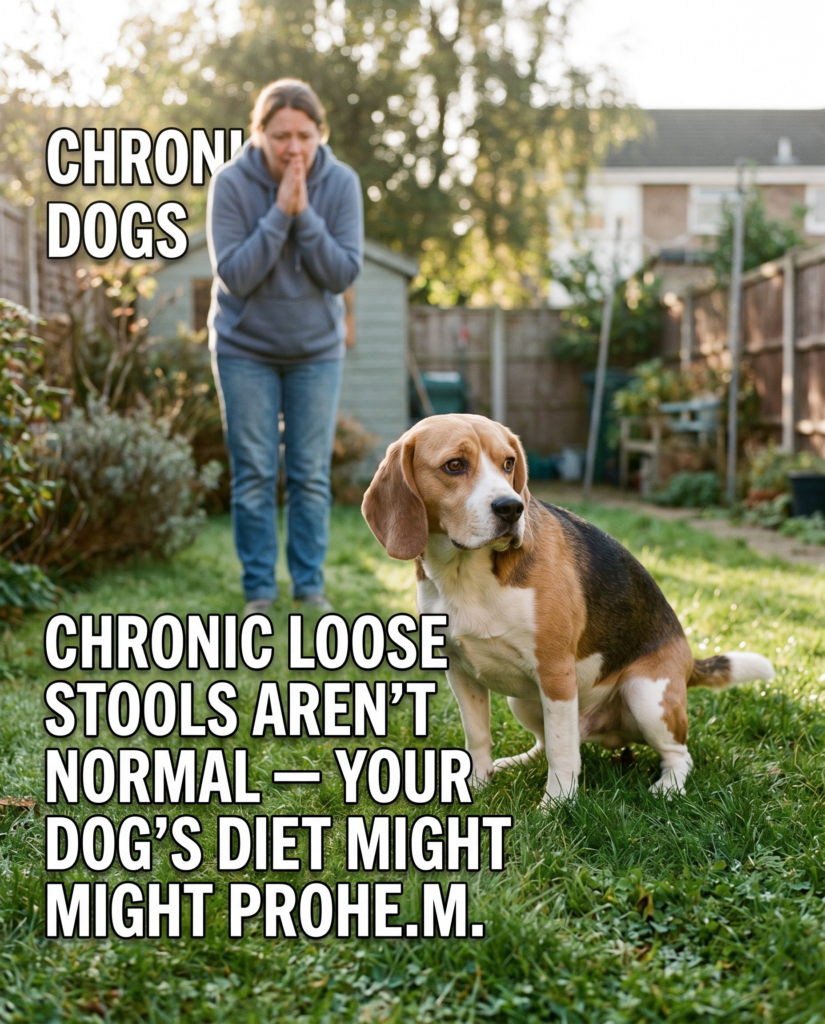
Occasional loose stools happen to every dog, but chronic diarrhea or consistently soft stools point to a dietary issue. The most common culprits are food intolerances, too much fat in the diet, a sudden food change, or low-quality ingredients that the digestive system struggles to process. If loose stools persist for more than 48 hours or are accompanied by blood or lethargy, see your vet immediately.
3. Hard, Dry, or Crumbly Poop — Not Enough Moisture or Fiber
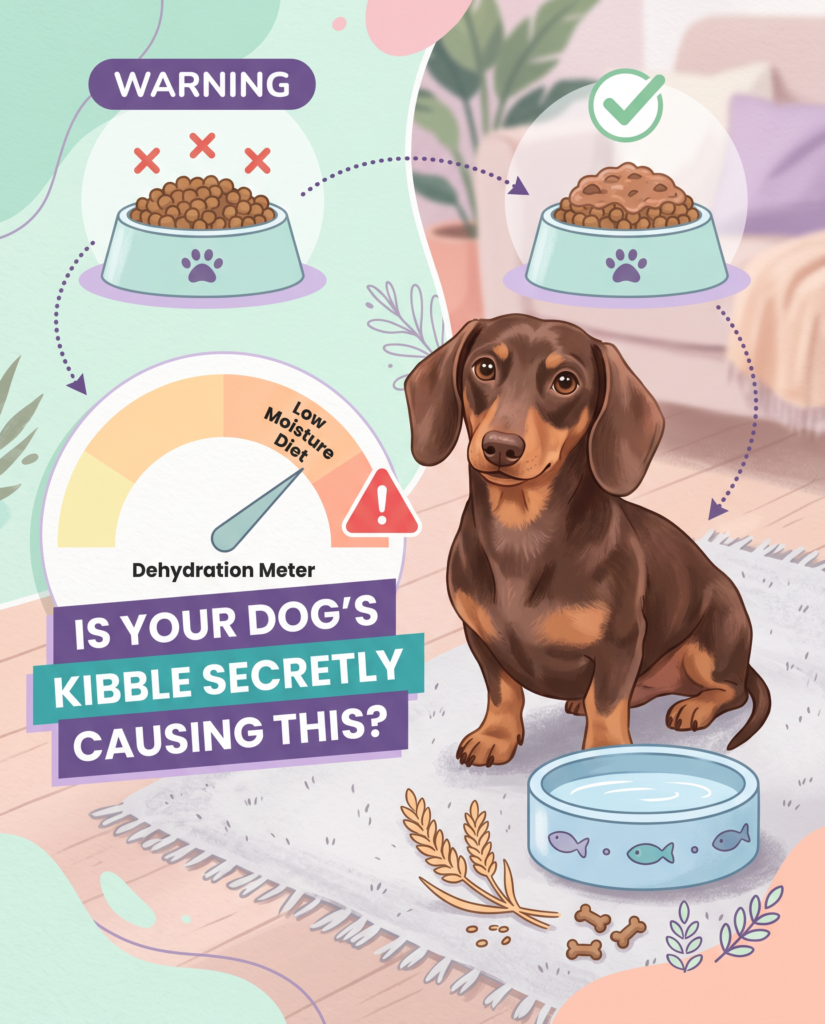
Poop that is too hard, dry, or crumbles when picked up suggests your dog isn’t getting enough water, enough dietary fiber, or both. Dogs on dry kibble-only diets are especially prone to this. Adding wet food, fresh vegetables like carrots or pumpkin, or simply ensuring fresh water is always available can make a noticeable difference quickly.
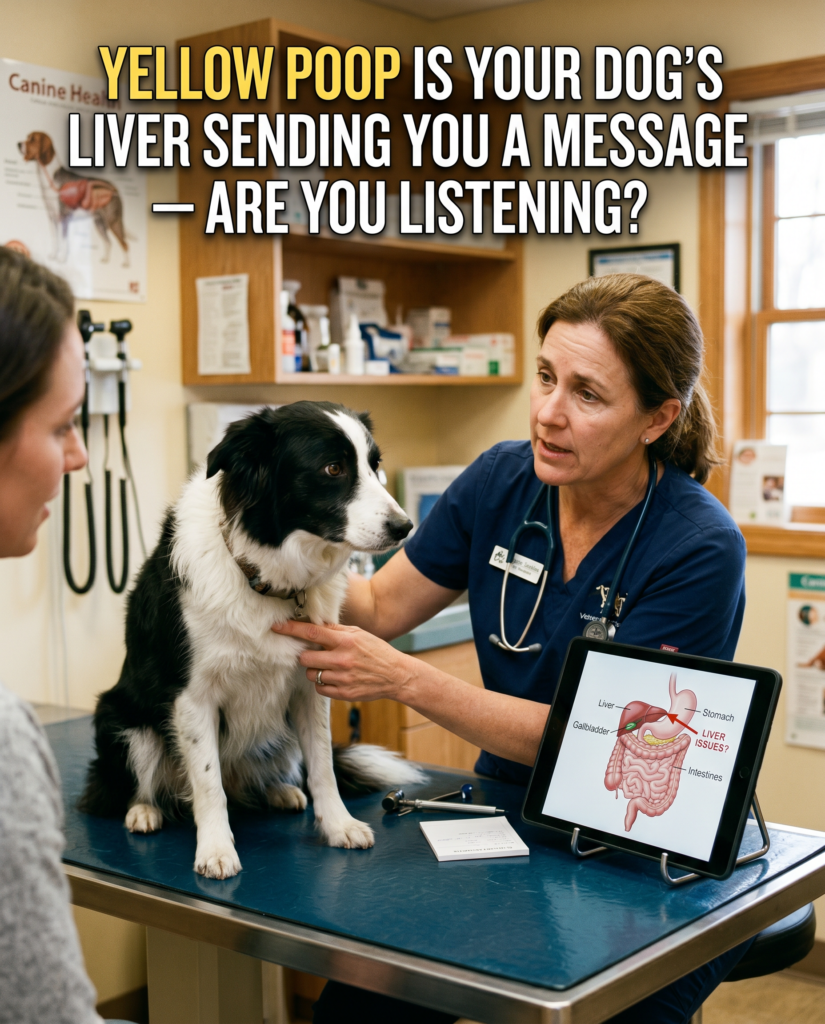
4. Yellow or Orange Poop — Possible Liver or Digestion Issue
Yellow or orange-tinged stool can indicate that food is moving through the digestive system too quickly, that the liver or gallbladder isn’t processing bile properly, or that your dog has eaten something unusual. Occasional yellow poop after eating something new isn’t always cause for alarm, but persistent discoloration warrants a vet visit and a closer look at the diet.
5. Green Poop — Too Much Grass or a Bile Issue
Green poop is most commonly caused by dogs eating large amounts of grass usually a sign they have an upset stomach or are missing something in their diet. It can also indicate a bile issue or a gastrointestinal problem. If your dog is consistently seeking out and eating grass, it may be worth evaluating whether their current food is meeting their nutritional needs.
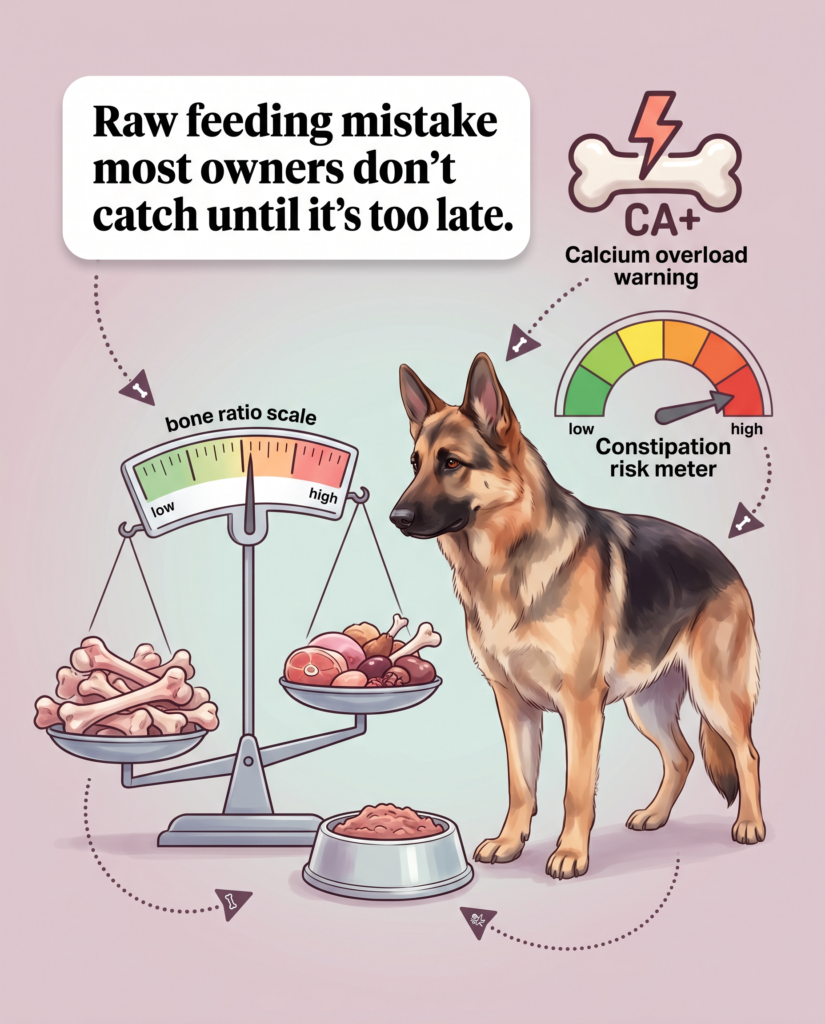
6. White or Grey Poop — Too Much Calcium or Raw Bone
White, chalky, or grey stools are almost always linked to a diet too high in calcium or raw bone content. This is particularly common in dogs fed raw diets with unbalanced ratios of bone to meat. While some firmness from bone is normal in raw-fed dogs, consistently white or crumbly stools suggest the bone content needs to be reduced. Over time, excessively high calcium can cause constipation and other digestive complications.
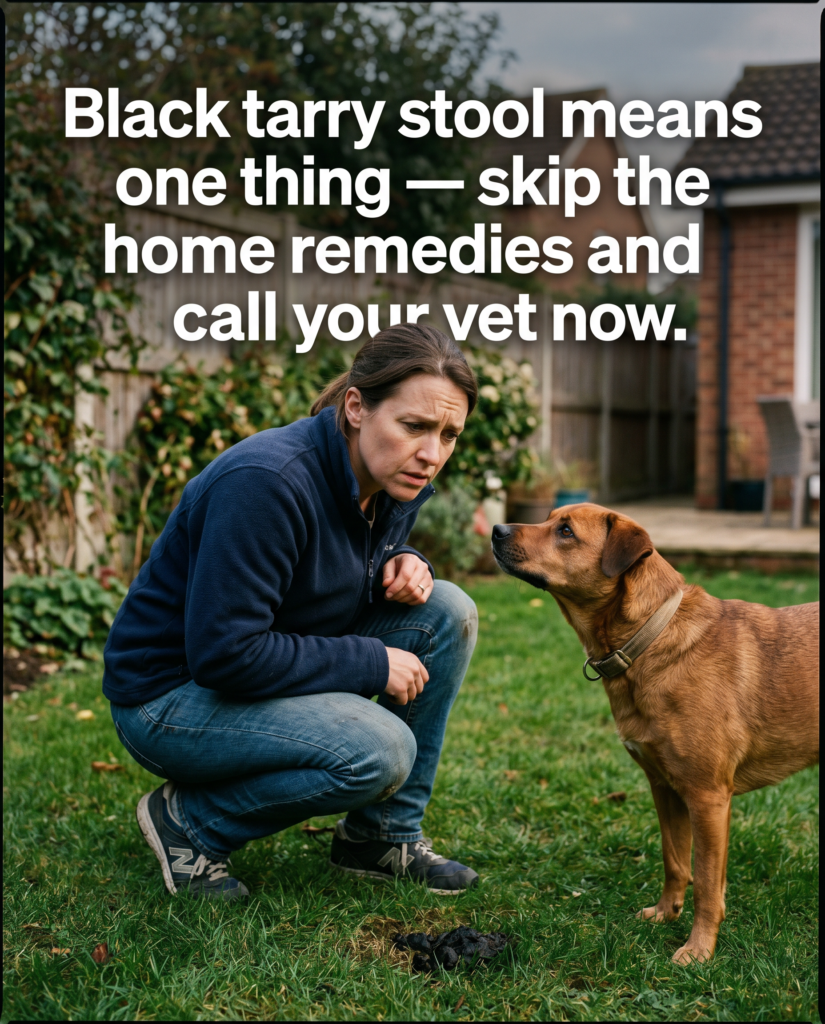
7. Black or Very Dark Poop — Potential Bleeding
Very dark, almost black, tarry stools are a red flag that should never be ignored. This color can indicate digested blood from somewhere in the upper digestive tract the stomach or small intestine. It can be caused by ulcers, parasites, foreign objects, or serious gastrointestinal disease. If you see consistently black or tarry poop, skip the dietary adjustments and go straight to the vet.
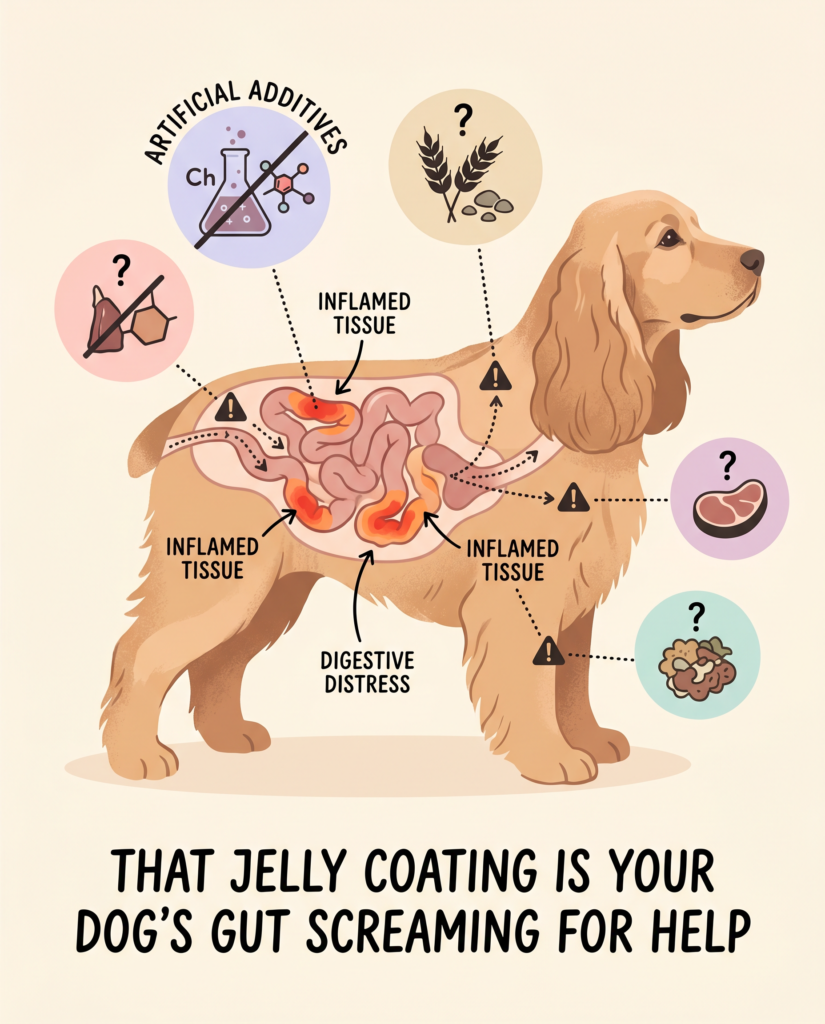
8. Poop Coated in Mucus — Intestinal Inflammation
A small amount of mucus in the stool occasionally is not unusual, as the intestines naturally produce mucus for lubrication. But poop that is consistently coated in a thick layer of mucus or jelly-like substance points to intestinal inflammation, food sensitivity, or colitis. Common dietary triggers include food with artificial additives, cheap fillers, or proteins the dog is intolerant to. A food elimination trial often identifies the culprit.
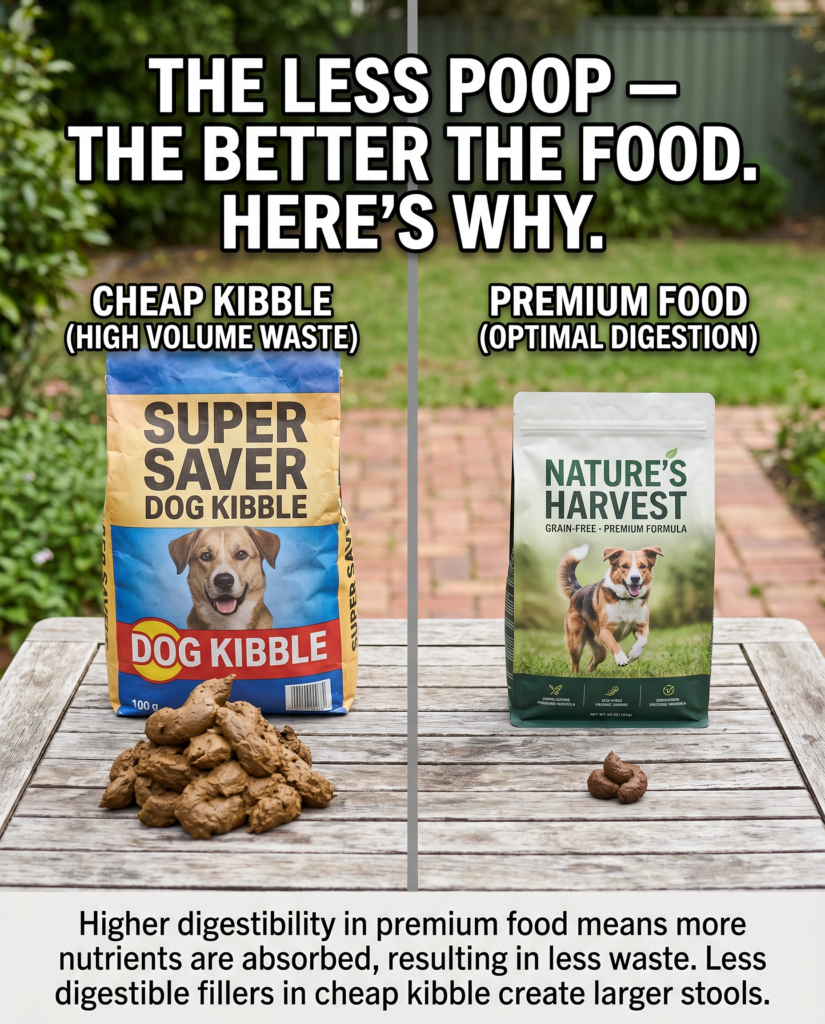
9. Very Small or Infrequent Poop — Highly Digestible Food
If your dog is eating regularly but producing very small amounts of poop, it’s actually a positive sign it means their food is highly digestible and very little is going to waste. High-quality foods with real meat as the primary ingredient and minimal filler produce significantly less stool than cheap, grain-heavy foods. A dog producing huge volumes of poop is often a sign that most of the food is passing through undigested.
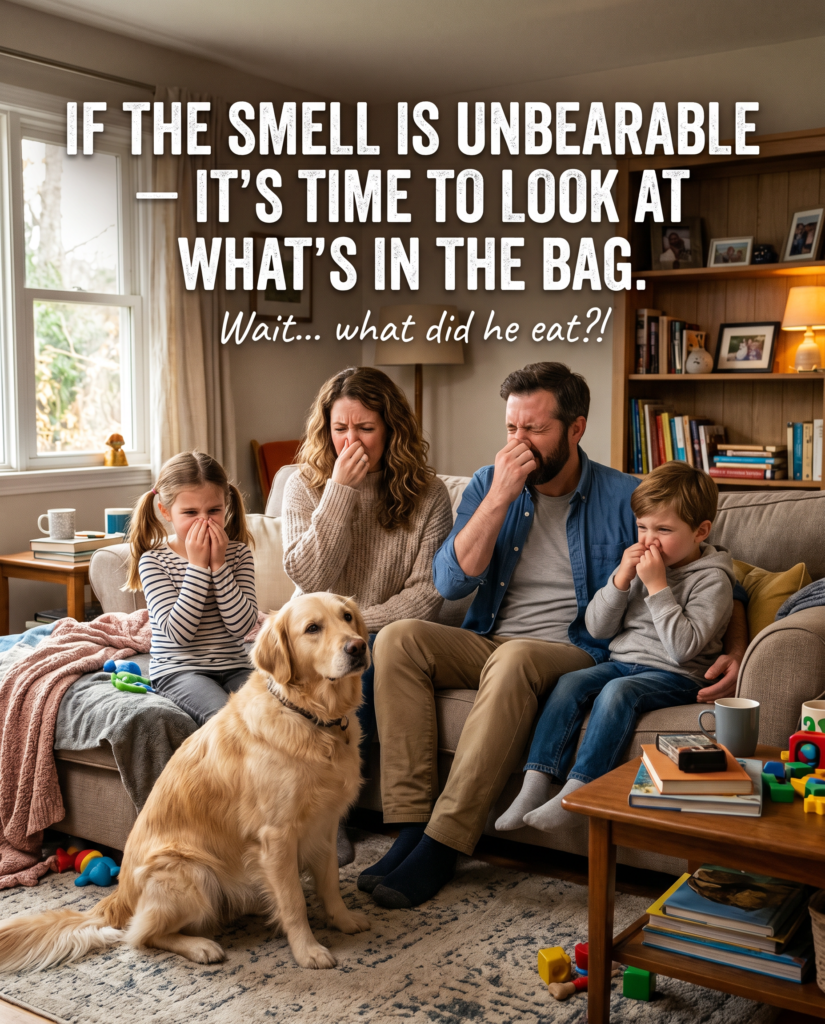
10. Excessively Smelly Poop — Poor Quality Ingredients
All dog poop has an odor, but poop that clears the room or smells dramatically worse than usual is often a diet problem. Low-quality proteins, artificial preservatives, cheap by-products, and excessive fillers are poorly digested and produce more odorous waste. Switching to a higher quality food with real, named protein sources and fewer additives often produces a noticeable improvement in smell within a few weeks.
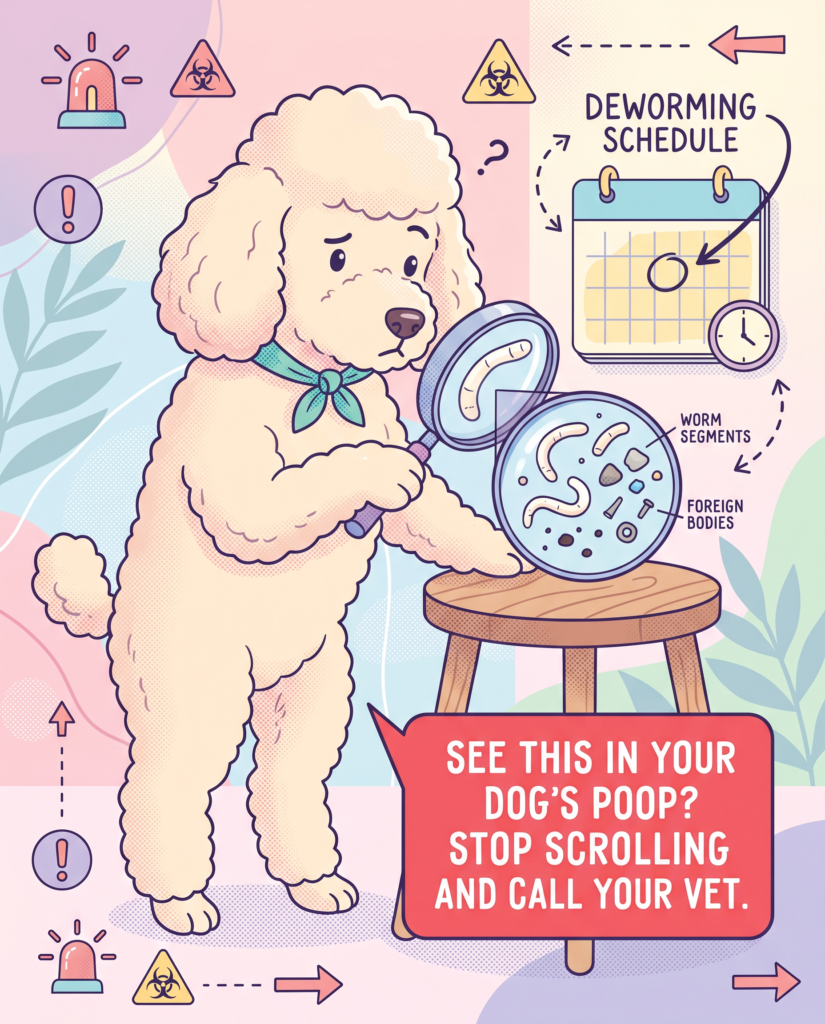
11. Poop With Visible Worms or Foreign Objects
If you ever see wriggling worms, rice-like segments, or unidentified foreign objects in your dog’s stool, act immediately. Worms are a sign of a parasitic infection that requires veterinary treatment not a dietary fix. Visible foreign objects mean your dog has eaten something they shouldn’t have, which can cause blockages or internal damage. Regular deworming as part of your dog’s health routine prevents most parasite-related issues.