First-Time Dog Owner’s Complete Guide
Bringing a dog into your life is one of the most rewarding decisions you’ll ever make but it comes with a learning curve that nobody warns you about. The first few weeks can feel overwhelming, and the mistakes made early on often shape a dog’s behavior and health for years to come. This guide covers everything you need to know, from preparing your home before your dog arrives to understanding their health, nutrition, grooming, and behavior as they settle into their new life with you.
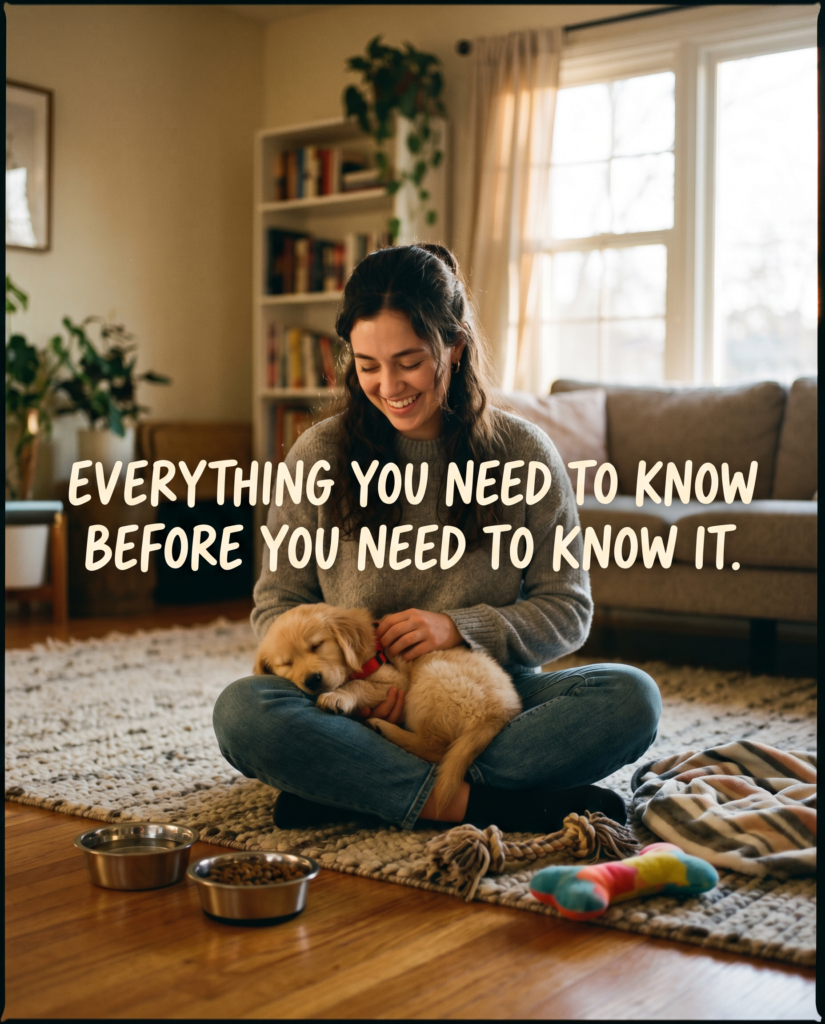
Before Your Dog Comes Home
Preparation makes the first days dramatically easier. Before your dog arrives, designate a specific area of the home as their space a bed, a crate if you plan to use one, and a feeding spot that will stay consistent. Dogs are creatures of habit, and a defined space helps them feel secure from day one.
Dog-proof your home the same way you would for a toddler. Get down to floor level and look for electrical cords, toxic houseplants, small objects that can be swallowed, and unsecured cabinets. The ASPCA maintains a full list of toxic plants and foods worth bookmarking before your dog arrives.
Stock up on the essentials before pickup day: a collar and ID tag, a leash, food and water bowls, appropriate food for your dog’s age and breed, a bed, some basic toys, and a crate if you’re using one. Having everything ready means the focus on day one can be entirely on your new dog not a last-minute shopping run.
Choosing the Right Food
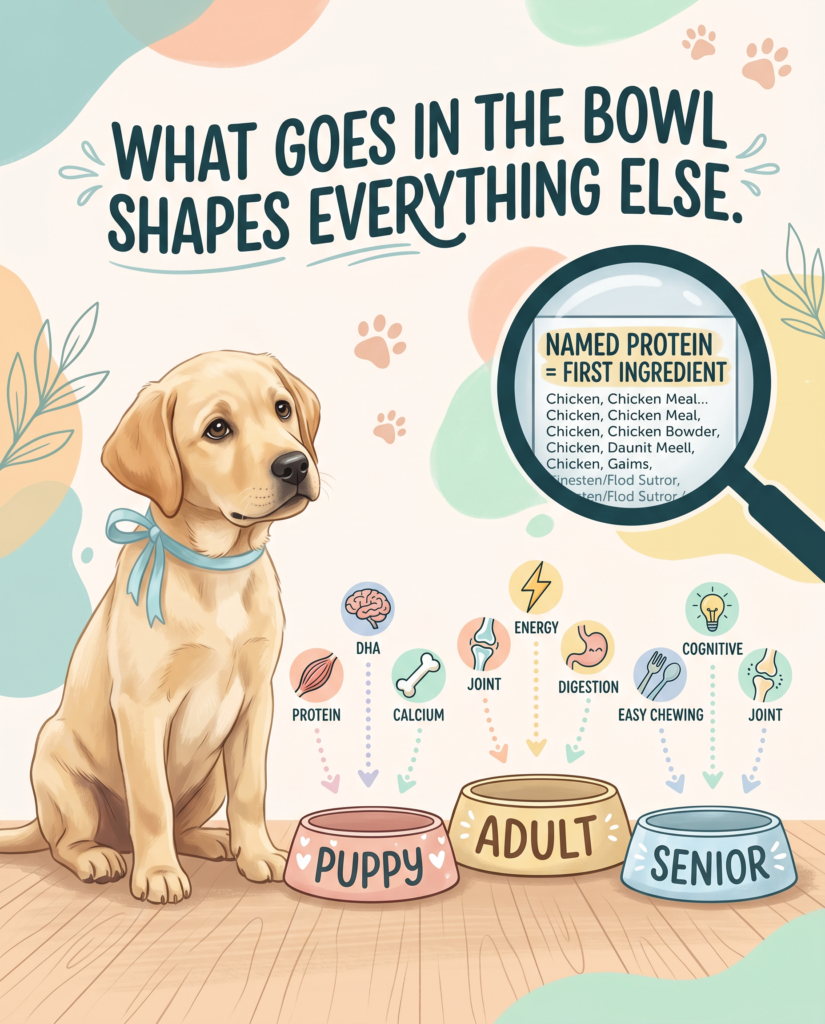
Nutrition is the foundation of everything coat quality, energy levels, immune function, and long-term health all trace back to what goes in the bowl. The pet food market is enormous and confusing, so a few basic rules help cut through the noise.
Always read the ingredient list, not the front of the bag. The first ingredient should be a named protein source chicken, beef, salmon not corn, wheat, or an unnamed “meat meal.” Avoid foods with artificial preservatives like BHA, BHT, and ethoxyquin, and be skeptical of vague ingredient terms like “animal by-products” with no species identified.
Feed for your dog’s life stage. Puppies need food formulated for growth higher in protein and calories. Adult dogs need a balanced maintenance formula. Seniors often benefit from lower calories and added joint support. Feeding the wrong life stage formula long-term creates nutritional gaps that add up over time.
👉 We’ve covered the most common nutrition mistakes in detail here: [8 Mistakes Dog Owners Make When Choosing Dog Food]
Grooming Basics Every Owner Needs to Know
Grooming isn’t just about appearances it’s health maintenance. Regular grooming sessions let you check for lumps, parasites, skin problems, and early signs of injury that might otherwise go unnoticed.
Brushing frequency depends entirely on coat type. Short-haired breeds need a once-weekly brush to remove dead hair. Long and double-coated breeds may need daily attention, especially during seasonal shedding. The right brush for the coat type matters using the wrong one either misses the job entirely or causes unnecessary discomfort.
Nail trimming, ear cleaning, and dental care round out the basics. Nails should be trimmed every two to three weeks the moment you hear clicking on hard floors, they’re already overdue. Ears should be checked and cleaned every one to two weeks, particularly in floppy-eared breeds. Dental disease is the most overlooked aspect of dog care and one of the most consequential daily brushing with dog-specific toothpaste is the gold standard.
👉 New to grooming at home? Start here: [9 Dog Grooming Mistakes Most Owners Make at Home]
👉 Everything you need in your kit: [12 Essential Dog Grooming Tools Every Owner Must Have]
Understanding Your Dog’s Health
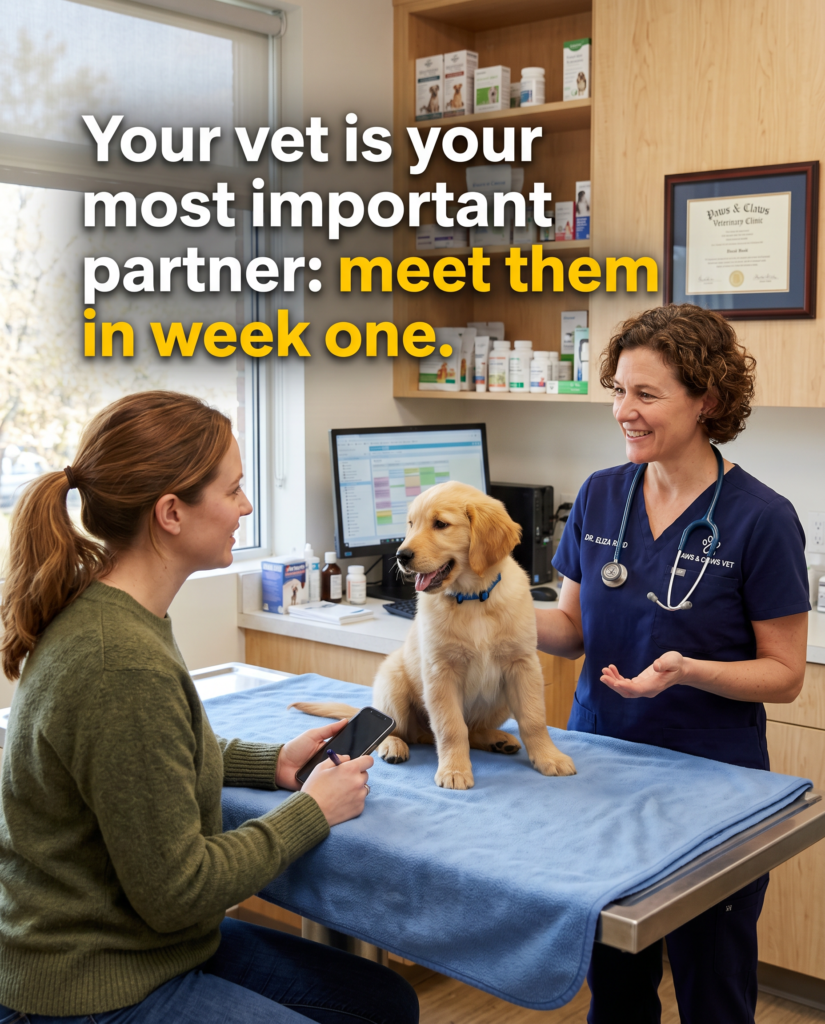
Preventive care is far cheaper and less stressful than reactive care. Schedule a vet visit within the first week of bringing your dog home — even if they come with a clean bill of health from a breeder or rescue. Your vet becomes your most important partner in your dog’s life, and establishing that relationship early matters.
Core vaccines, parasite prevention, and regular checkups form the backbone of good health care. Heartworm prevention in particular is non-negotiable it’s a devastating and entirely preventable condition that a monthly tablet eliminates as a risk. Flea, tick, and intestinal worm prevention should run year-round in most climates.
Learn to do a basic home health check once a week. Run your hands over your dog’s entire body check for new lumps, tender spots, changes in the coat or skin, and anything that wasn’t there before. Many serious conditions, including cancer, have been caught early by attentive owners who noticed something small.
👉 Know what to watch for: [12 Early Warning Signs Your Dog May Be Sick]
Reading Your Dog’s Behavior
Dogs communicate constantly — through body posture, ear position, tail movement, eye expression, and vocalizations. Most first-time owners miss the majority of these signals simply because nobody taught them what to look for.
A wagging tail doesn’t always mean a happy dog. A loose, wide wag at mid-height signals relaxed friendliness. A stiff, high wag signals arousal or tension. A low, tucked wag signals fear. The whole body tells the story — not just the tail.
Stress signals are particularly important to recognize early. Yawning in tense situations, lip licking, pinned ears, whale eye, and pacing are all your dog’s way of communicating discomfort. A dog that feels heard and responded to builds trust faster and develops far fewer behavioral problems than one whose stress signals are consistently missed or ignored.
👉 Learn the full signal library: [13 Dog Body Language Signals Every Owner Must Know]
👉 Is your dog stressed? Read this: [11 Signs Your Dog Is Stressed or Anxious]
Building Good Habits From Day One
The habits you establish in the first weeks set the tone for your dog’s entire life with you. This is especially true for puppies, but it applies to adult rescue dogs too every dog benefits from clear, consistent structure from the start.
Start basic training immediately. Sit, stay, come, and leave it are the four commands that make daily life with a dog manageable and safe. Keep sessions short five to ten minutes and always end on a success. Positive reinforcement with high-value treats works faster and builds a stronger relationship than punishment-based methods.
Establish a daily routine for feeding, walks, training, and sleep. Dogs thrive on predictability. A dog that knows when to expect food, exercise, and attention is a calmer, more secure dog. Anxiety and destructive behavior are far more common in dogs whose days are unpredictable.
Socialize early and often. Exposure to different people, environments, sounds, and other animals during the first months of life ideally before 16 weeks for puppies builds the kind of resilience and confidence that makes a dog genuinely easy to live with. Fearful, reactive dogs are almost always the product of under-socialization.
👉 If your dog isn’t listening, read this first: [7 Reasons Your Dog Is Ignoring Your Commands]
The First Night and the First Week
The first night is often the hardest for both of you. A dog leaving their mother, littermates, or a foster home is experiencing a significant loss, and some crying, restlessness, or refusal to eat in the first 24-48 hours is completely normal. Don’t panic and don’t overreact. Give them space to explore, keep the environment calm, and resist the urge to overwhelm them with too many new people or experiences in the first few days.
The first week is about building trust, not training. Let your dog sniff everything, observe them carefully, and begin establishing the routines they’ll rely on. Some dogs settle in within days. Others take weeks or even months to fully relax. The speed of the adjustment doesn’t predict the quality of the relationship patience in the early days pays off enormously in the long run.
A Note on Realistic Expectations
Dogs are not accessories, and they are not always easy. They have bad days, they make messes, they go through difficult phases, and they require consistent time and attention that doesn’t pause when life gets busy. The owners who find dog ownership most rewarding are almost always the ones who went in with realistic expectations and a genuine commitment to learning.
The good news is that the learning curve is finite. Within a few months, most first-time owners find their rhythm, their dog settles in, and the relationship becomes one of the most meaningful they’ve ever had. Every question you’re asking right now is a sign that you’re already doing it right.