12 Essential Dog Grooming Tools Every Owner Must Have
Having the right tools doesn’t just make grooming easier it makes it safer, faster, and far more effective. Most owners work with whatever brush came in a starter kit, but professional-quality grooming starts with professional-quality tools. Whether you groom at home regularly or just maintain your dog between salon visits, these 12 tools are the ones that actually make a difference. Here’s exactly what you need and why.
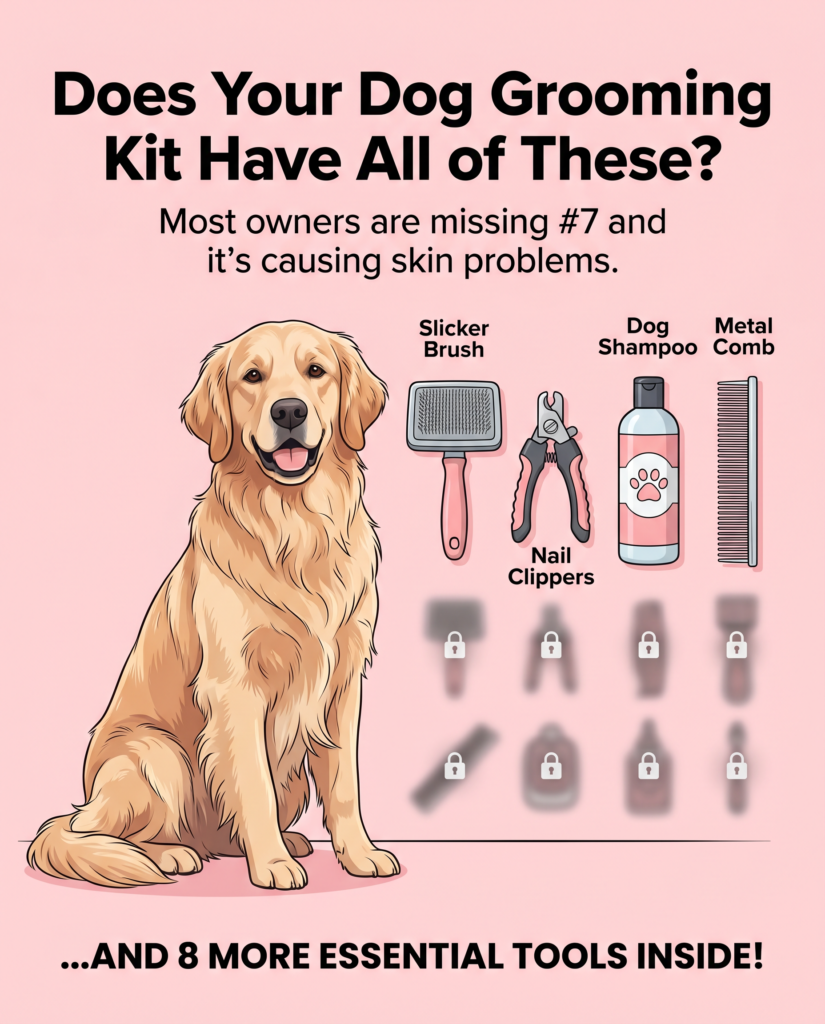
1. Slicker Brush
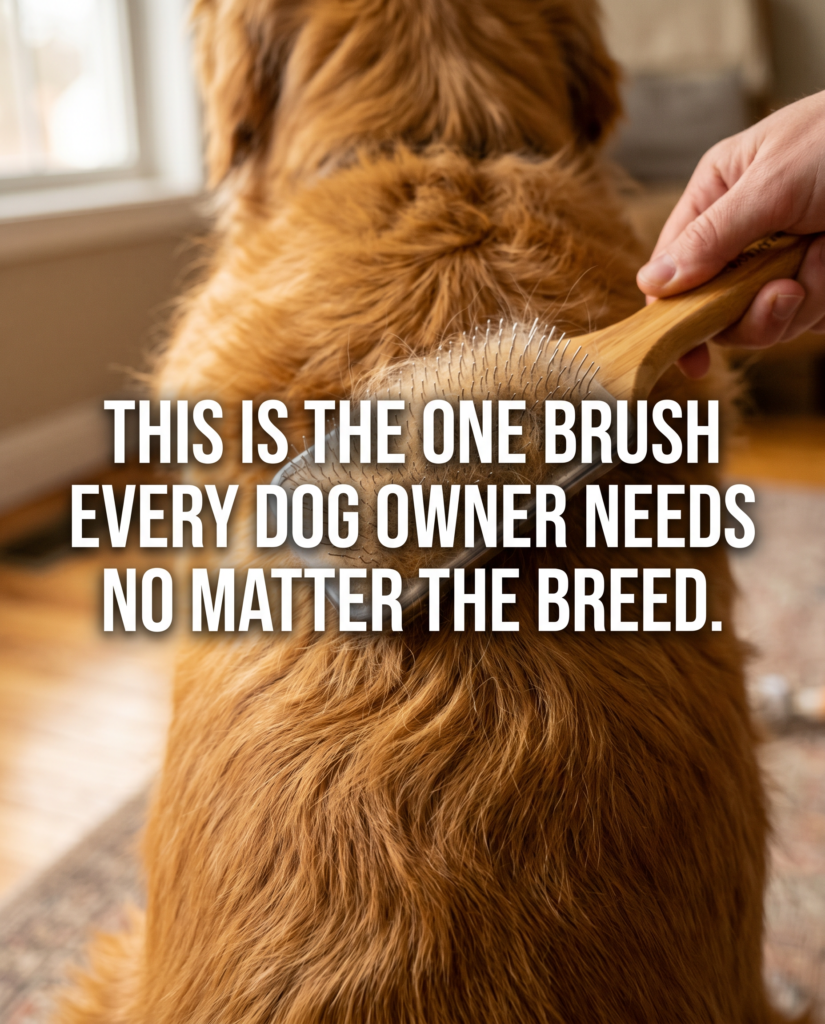
The slicker brush is the workhorse of dog grooming the one tool almost every dog owner needs regardless of coat type. Its fine, short wire pins are designed to remove loose fur, detangle the topcoat, and smooth the coat after brushing. It works on long, medium, and curly coats and is especially effective at catching the early stages of matting before they become serious. Look for one with a flexible head that bends slightly with the dog’s body contours for more comfort and efficiency.
2. Deshedding Tool
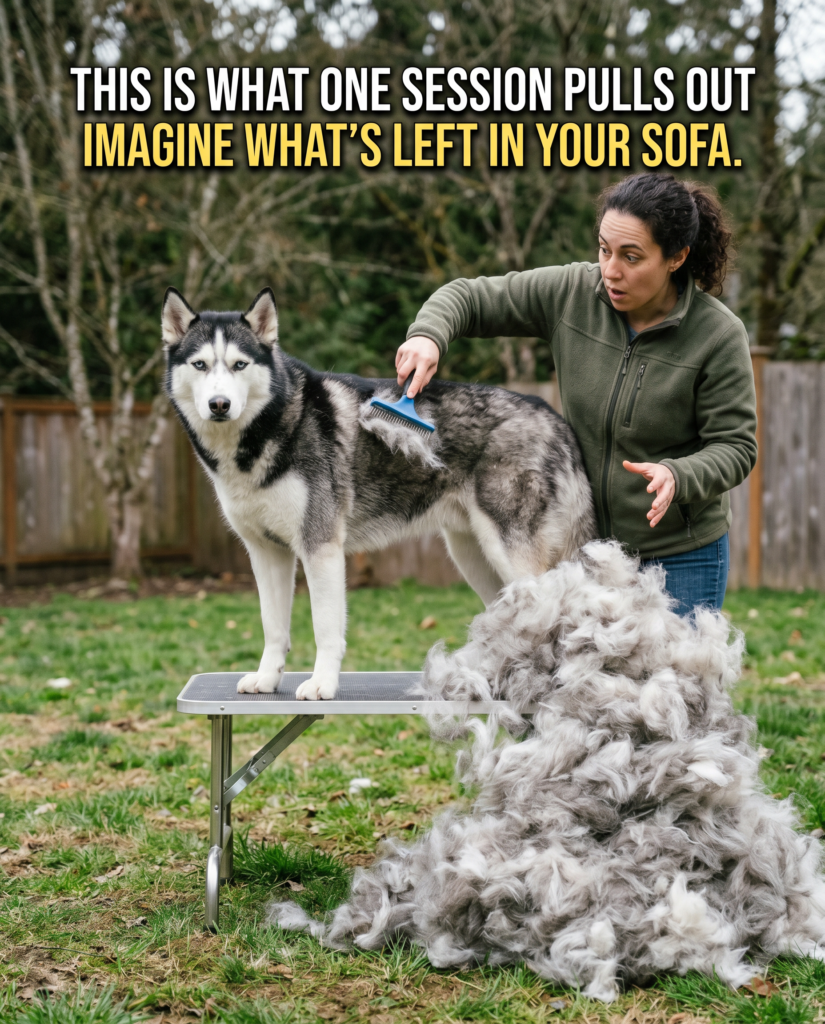
For double-coated breeds like Huskies, German Shepherds, Golden Retrievers, and Labradors, a deshedding tool is non-negotiable. Unlike a standard brush that works on the surface coat, a deshedding tool reaches into the undercoat and removes the dead, loose fur that would otherwise end up on every surface in your home. Used regularly especially during seasonal shedding — it can reduce shedding by up to 90%. The FURminator is the most well-known option, but many quality alternatives exist.
3. Metal Comb
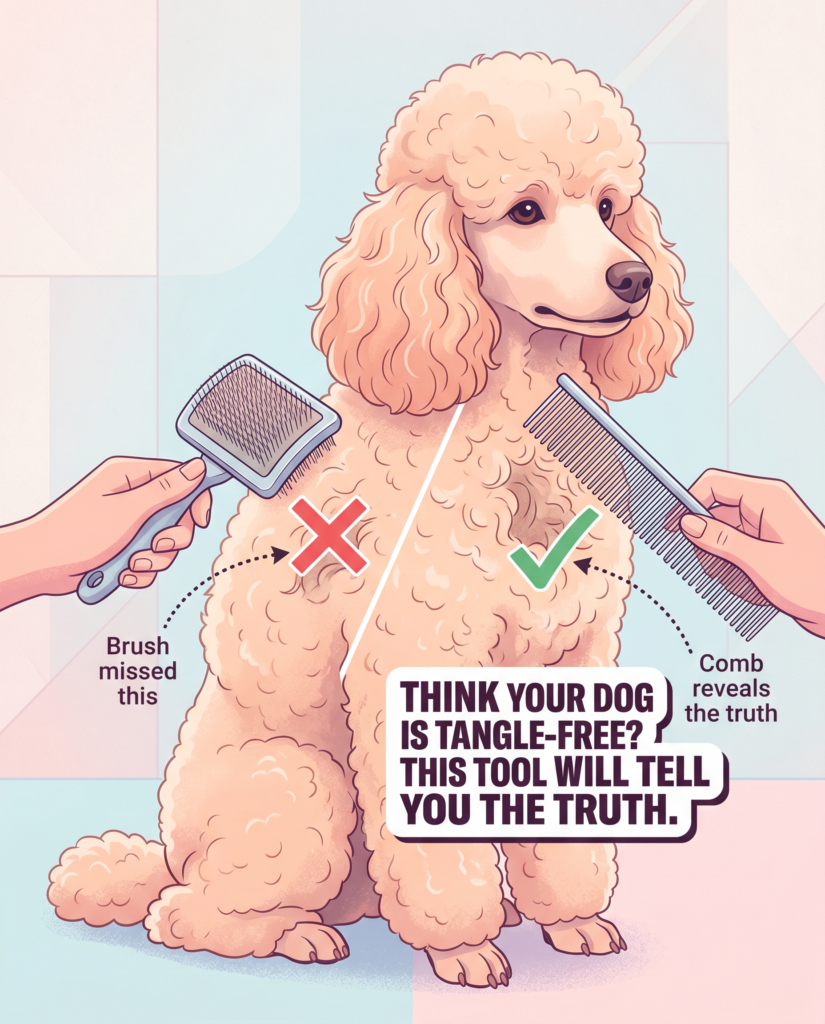
A metal comb with both wide and narrow teeth is the professional’s finishing tool and one of the most underrated items in any grooming kit. After brushing, running a comb through the coat reveals any hidden tangles or mats that the brush missed particularly in areas like behind the ears, under the armpits, and around the collar. If the comb passes through smoothly from root to tip, the coat is truly tangle-free. If it snags, there’s more work to do.
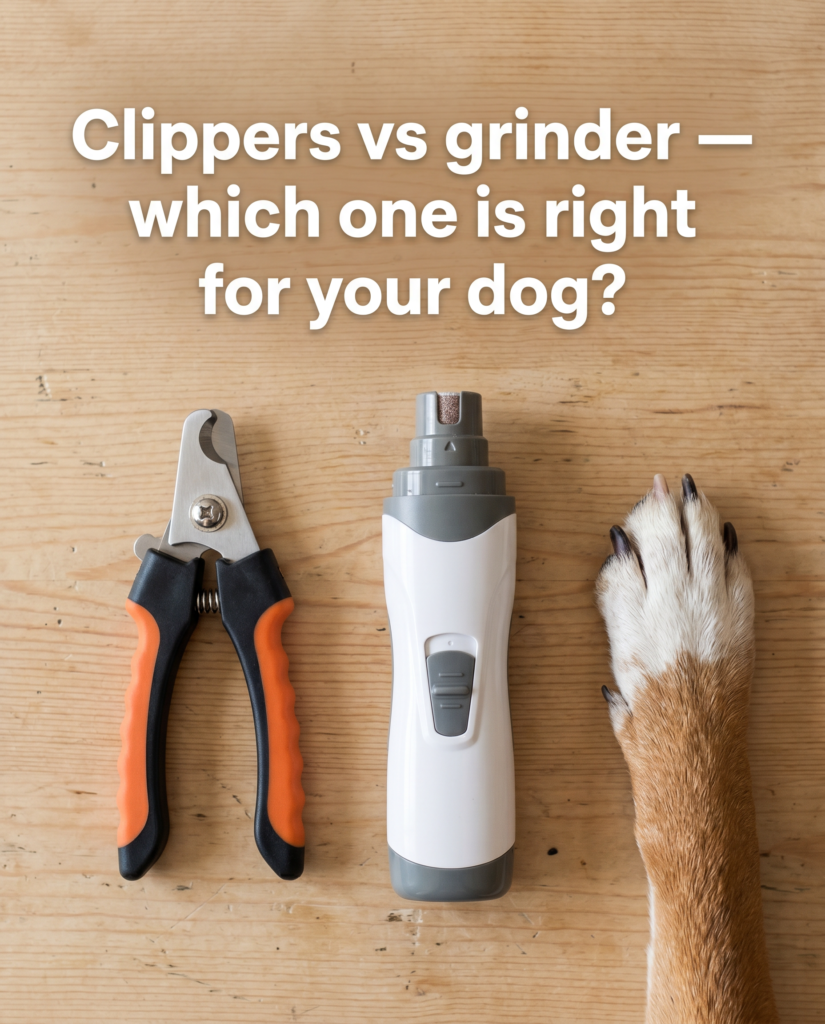
4. Nail Clippers or Grinder
Overgrown nails are one of the most common and most overlooked welfare issues in pet dogs. Every owner needs a reliable nail trimming tool either scissor-style clippers, guillotine clippers, or an electric nail grinder depending on their dog’s nail thickness and their own comfort level. Grinders are gentler and produce smoother results but take longer. Clippers are faster but require more precision. Whichever you choose, use it every two to three weeks consistently.
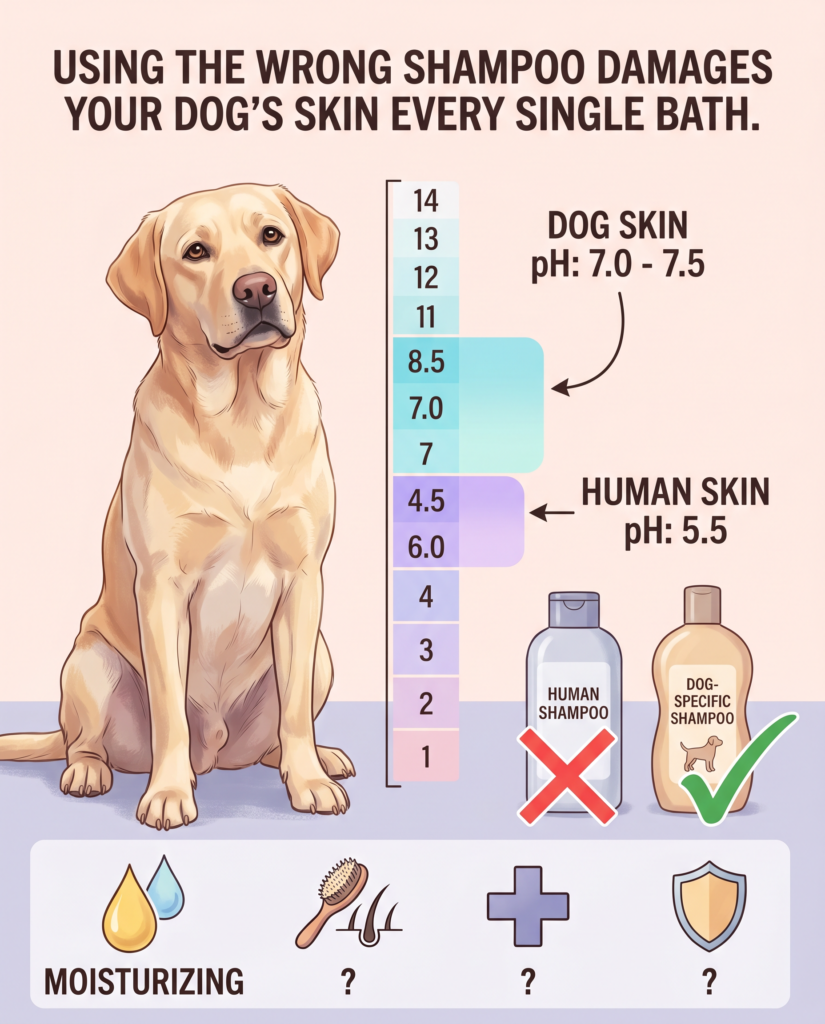
5. Dog-Specific Shampoo
The right shampoo is not optional. Dog skin has a different pH than human skin, and using human shampoo even gentle baby shampoo disrupts the skin’s protective barrier over time. Choose a shampoo formulated for your dog’s specific coat type and skin condition: moisturizing for dry skin, deshedding for heavy shedders, medicated for skin conditions, or hypoallergenic for sensitive dogs. A good shampoo makes a visible difference in coat quality within just a few washes.
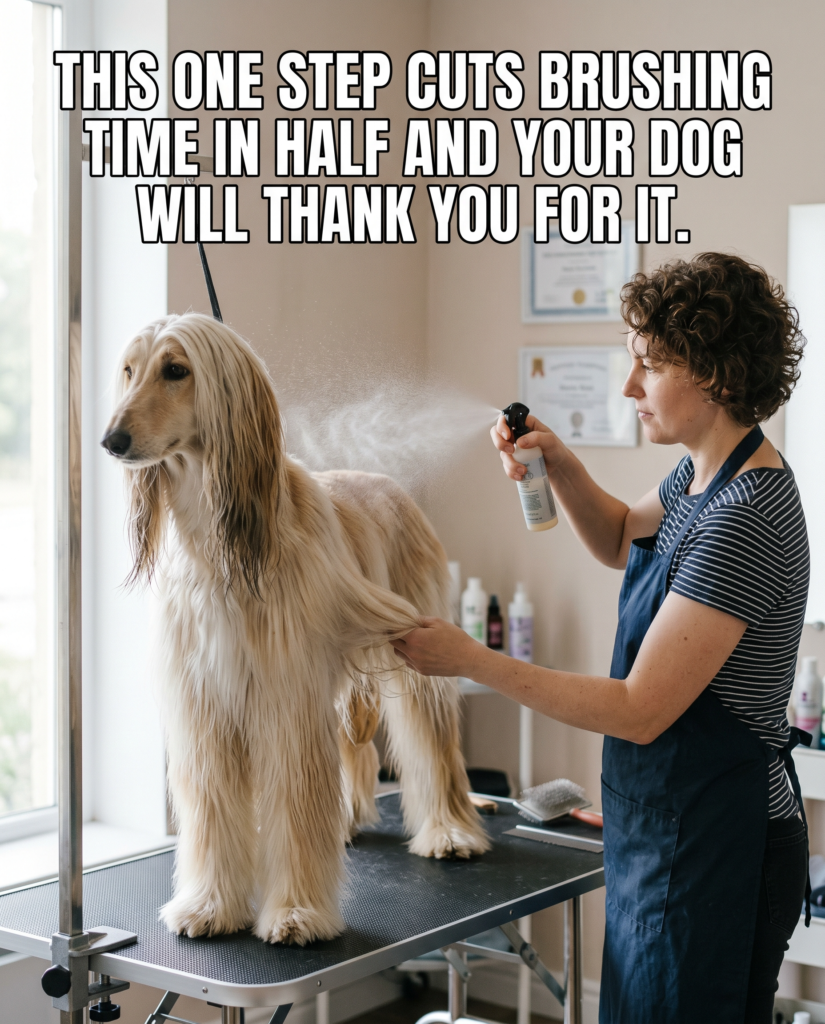
6. Conditioner or Detangling Spray
Conditioner is for dogs what it is for humans it adds moisture, reduces static, makes brushing easier, and leaves the coat softer and shinier. For long-coated breeds especially, a leave-in conditioner or detangling spray between baths is a game changer. It reduces friction during brushing, which means less breakage, less pain for the dog, and faster grooming sessions. Apply it before brushing on a slightly damp coat for best results.
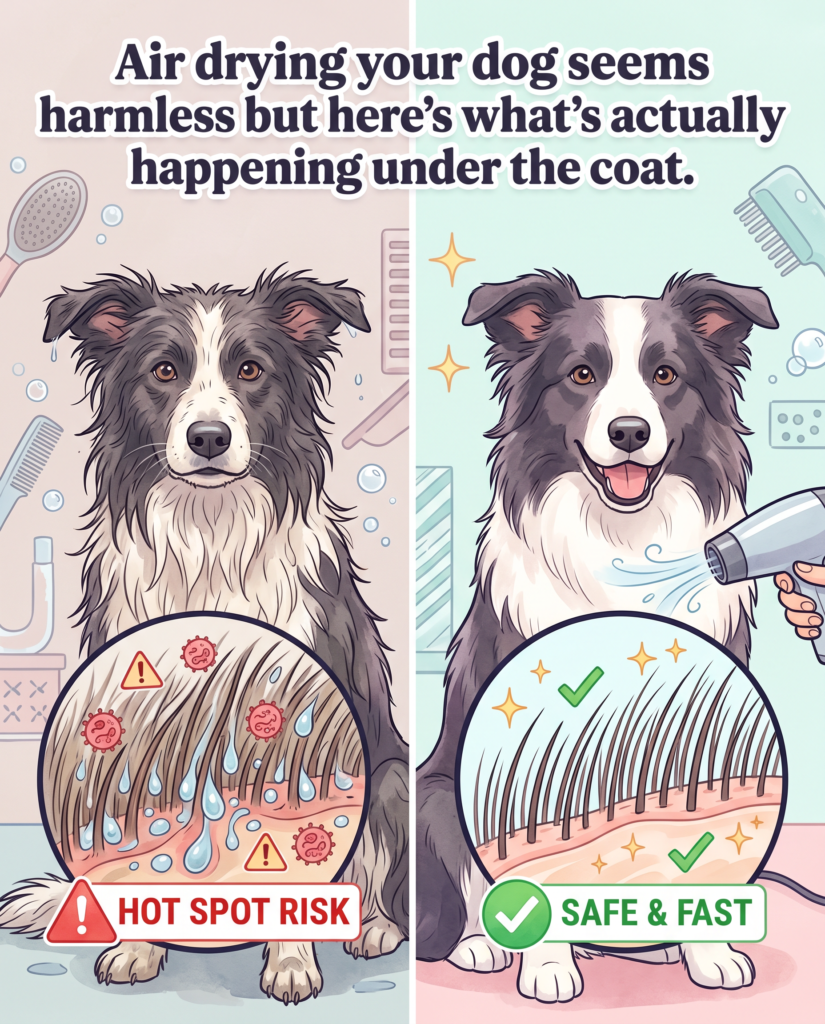
7. Dog Hair Dryer or Force Dryer
Letting your dog air dry after a bath seems harmless, but a wet undercoat that doesn’t dry fully can develop a condition called “coat funk” or hot spots bacterial skin infections that thrive in the damp environment close to the skin. A proper dog hair dryer or force dryer speeds up drying time dramatically and allows you to brush the coat as it dries for a smooth, professional finish. Never use a human hair dryer on the hottest setting always use low heat or a dedicated dog dryer.
8. Ear Cleaning Solution
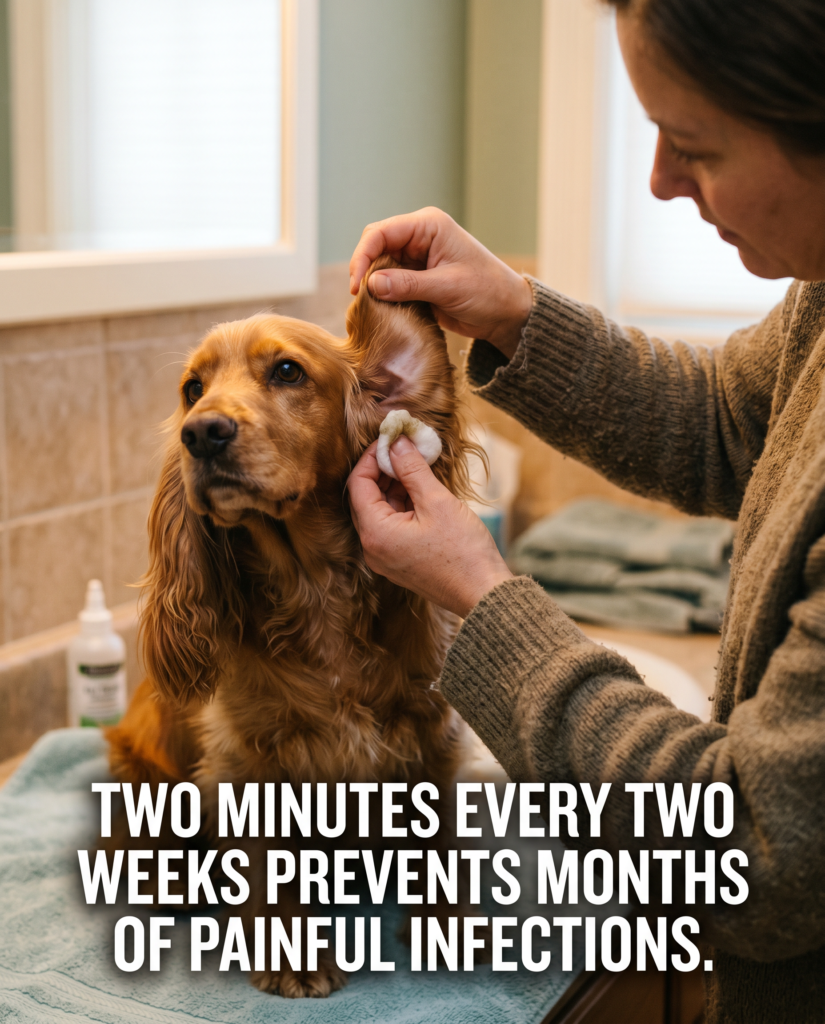
Ear infections are painful, expensive to treat, and almost entirely preventable with regular cleaning. A good ear cleaning solution breaks down wax and debris and dries the ear canal after cleaning to prevent moisture buildup. Apply it to a cotton ball and gently wipe the visible parts of the inner ear every one to two weeks. Never use cotton swabs inside the canal. For breeds prone to ear infections Cocker Spaniels, Basset Hounds, Poodles ear maintenance is not optional.
9. Grooming Scissors
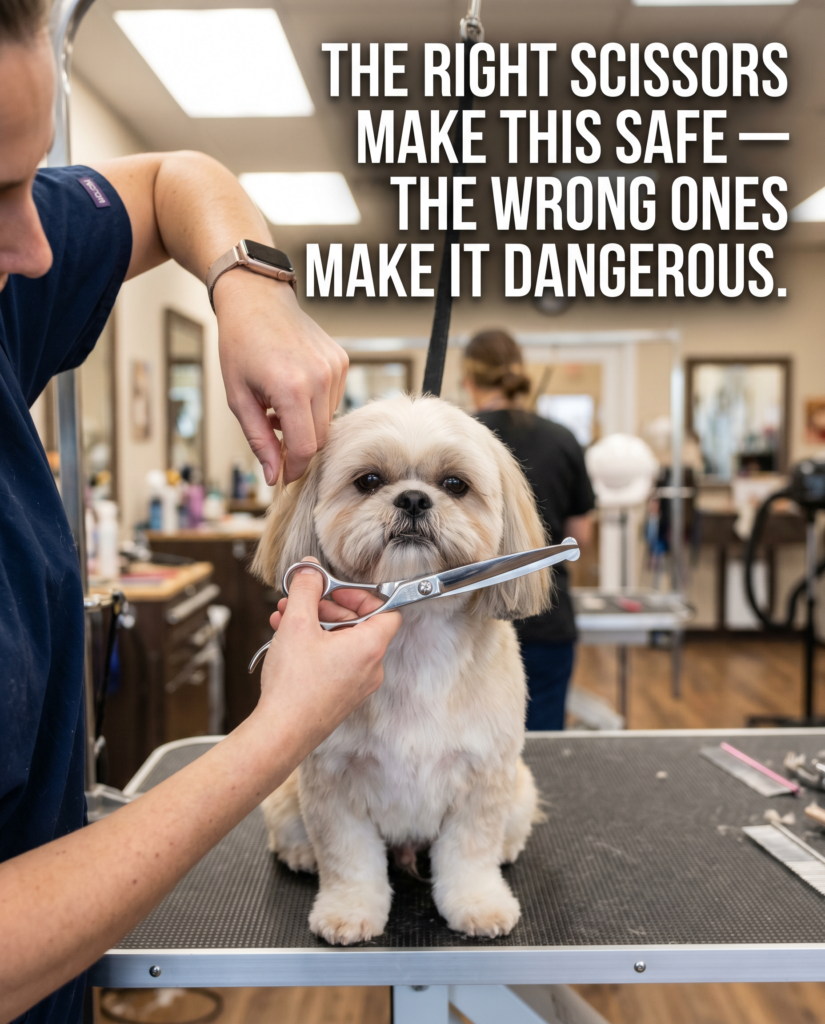
A pair of quality grooming scissors is essential for trimming around the face, paws, ears, and sanitary areas between professional grooming appointments. Dog grooming scissors have rounded or blunt tips for safety around sensitive areas and are designed to cut through dog fur without pulling. Invest in at least two pairs straight scissors for body trimming and curved scissors for face and paw work. Sharp scissors are far safer than dull ones because they cut cleanly without snagging.
10. Rubber Grooming Glove
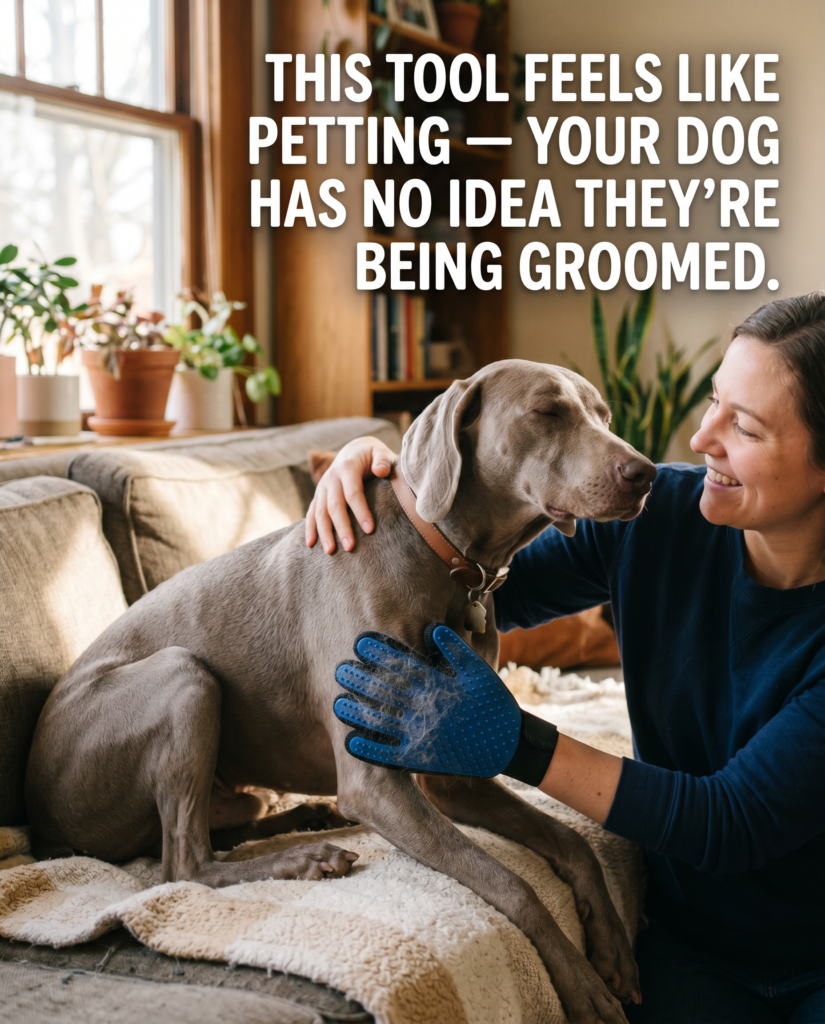
For short-haired breeds that don’t require heavy brushing, a rubber grooming glove is a brilliant tool. It fits over the hand like a glove and uses rubber nubs to lift loose fur directly from the coat through a petting motion meaning most dogs accept it enthusiastically where they might resist a brush. It’s also excellent for massaging the skin and stimulating circulation during grooming. It doubles as a bath tool for lathering shampoo.
11. Styptic Powder
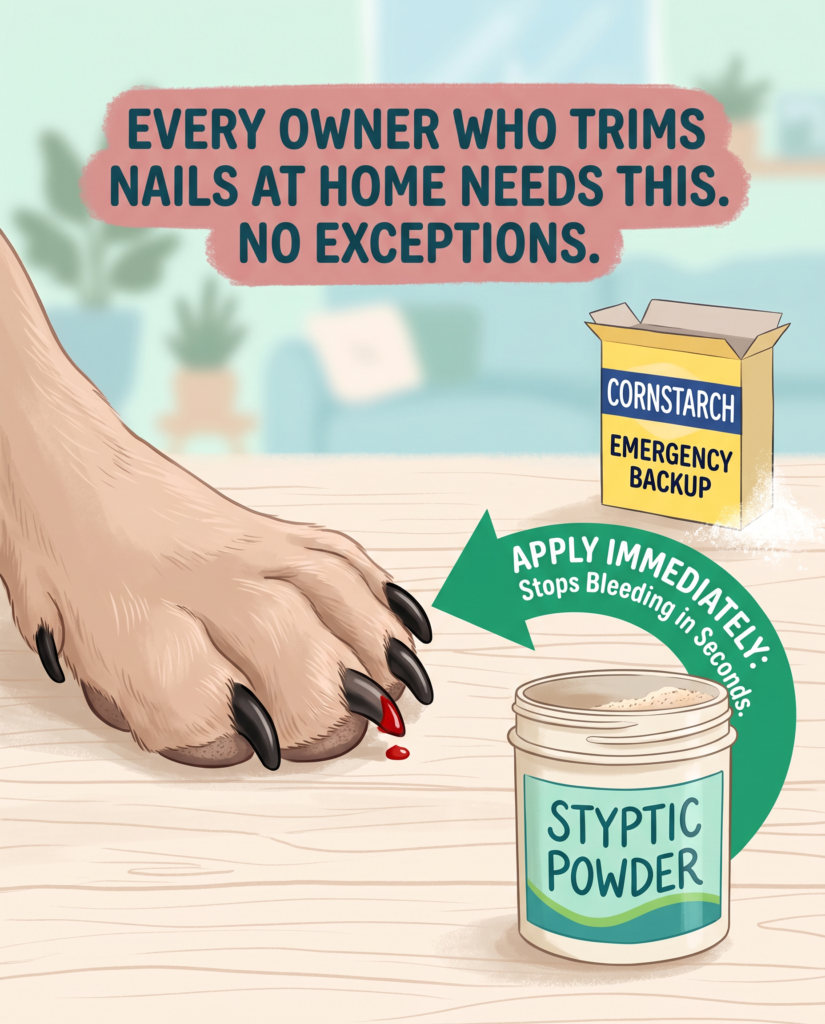
Every owner who trims their dog’s nails at home needs styptic powder in their kit. Accidents happen even experienced groomers occasionally cut the quick and styptic powder stops the bleeding immediately by contracting the blood vessel. Without it, a minor nail trim accident becomes a stressful, messy situation. It’s inexpensive, lasts forever, and provides enormous peace of mind. Cornstarch works as a temporary alternative in an emergency, but styptic powder is more effective.
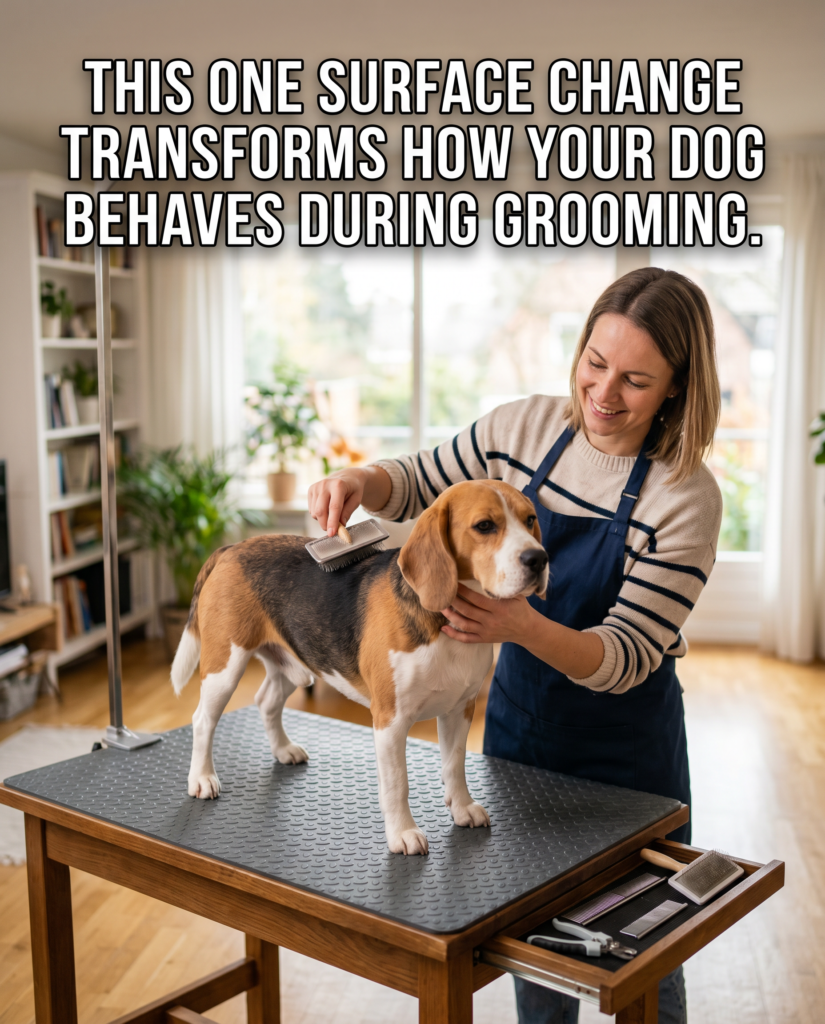
12. Grooming Table or Non-Slip Mat
This is the tool most home groomers skip and the one that makes the biggest difference to both safety and efficiency. A grooming table holds the dog at a comfortable working height, reduces back strain for the owner, and gives the dog a stable, defined surface that signals “grooming time.” At minimum, a rubber non-slip mat on a sturdy table creates a safer environment than trying to groom a dog on the floor or in a slippery bathtub. Dogs that learn to associate the grooming surface with calm handling become significantly easier to work with over time.