12 Ways to Help Your Dog Live Longer
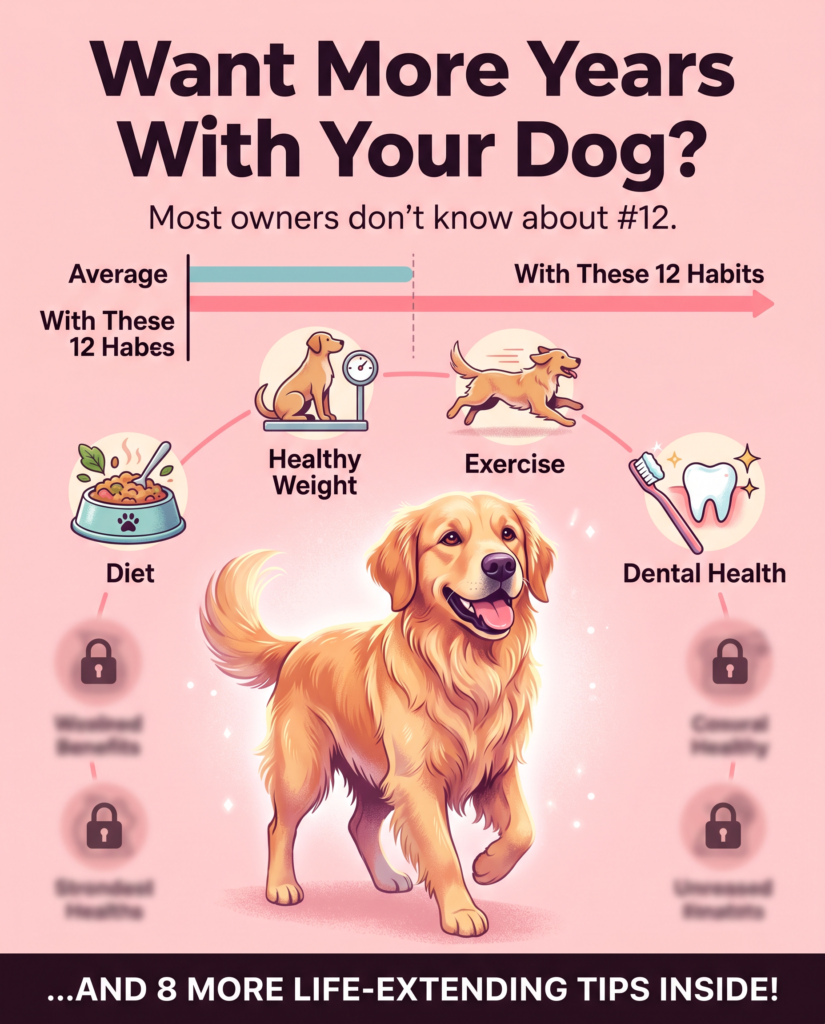
Every dog owner wishes their time with their pup could last forever. While we can’t stop the clock, science and veterinary research are clear the daily choices you make have a direct and measurable impact on how long and how well your dog lives. Some of these changes are small, some require more commitment, but all of them matter. Here are 12 evidence-backed ways to give your dog more healthy, happy years.
1. Feed a High-Quality Diet Consistently
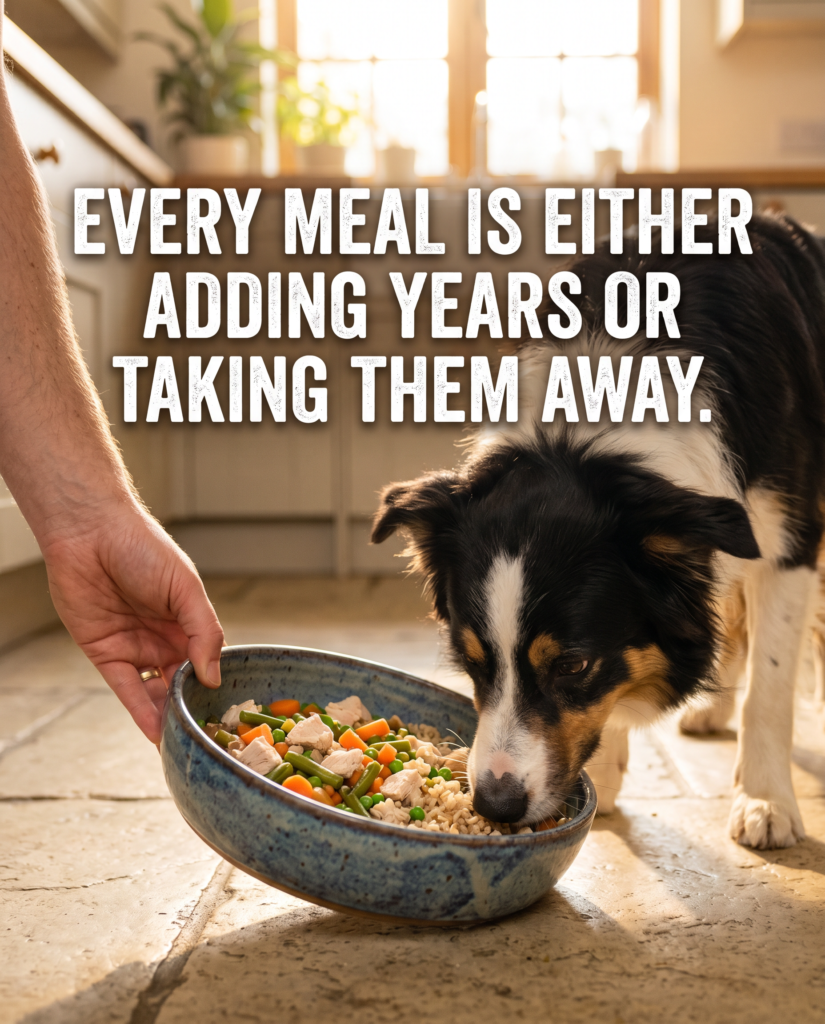
Nutrition is the single most controllable factor in your dog’s long-term health. Dogs fed high-quality food with real protein sources, minimal processing, and no artificial additives have consistently better health outcomes than those fed cheap, filler-heavy diets. The difference isn’t always visible day to day, but over years it accumulates in the form of better organ function, healthier weight, stronger immunity, and fewer chronic diseases. Every meal is either an investment in your dog’s longevity or a withdrawal from it.
2. Keep Them at a Healthy Weight
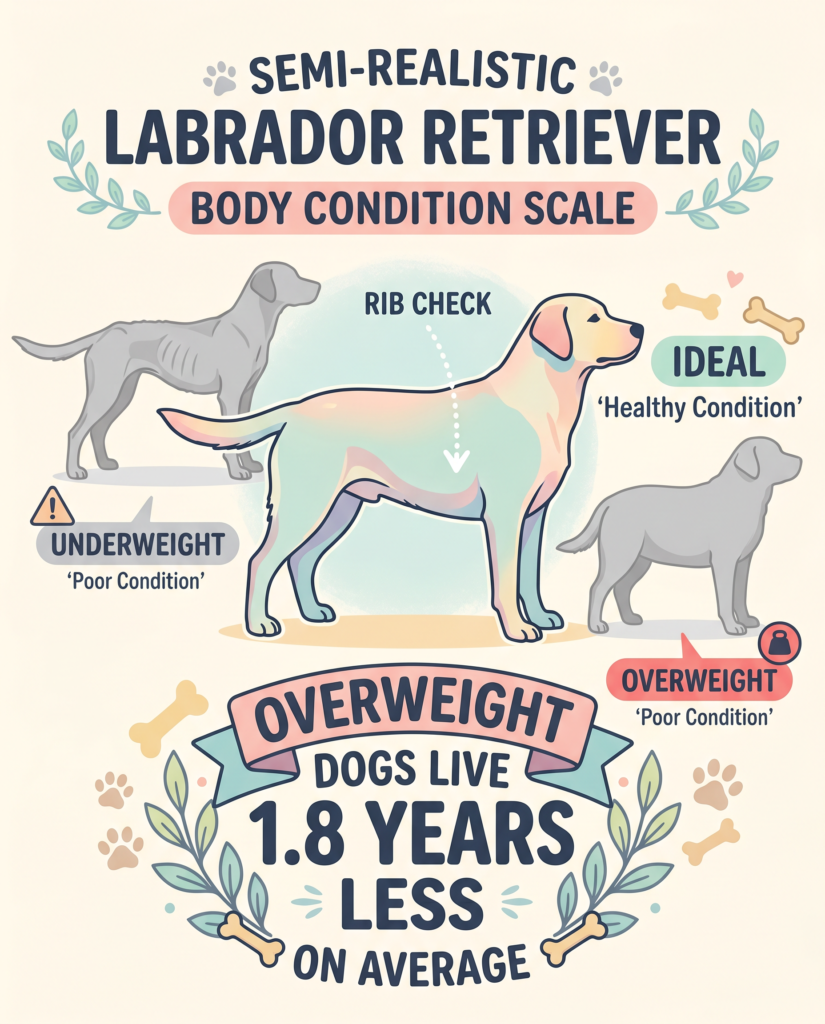
Obesity is one of the leading causes of shortened lifespan in dogs. Studies show that dogs kept at an ideal body weight live an average of 1.8 years longer than overweight dogs of the same breed. Excess weight strains the joints, heart, liver, and kidneys, and dramatically increases the risk of diabetes, cancer, and arthritis. You should be able to feel your dog’s ribs easily without pressing hard if you can’t, it’s time to reassess portions and treats.

3. Exercise Their Body and Mind Every Day
Physical exercise keeps the cardiovascular system strong, maintains healthy weight, and supports joint mobility. But mental exercise is equally important dogs that are mentally stimulated through training, puzzle toys, scent work, and varied experiences age more slowly and maintain cognitive function for longer. A dog that is both physically and mentally active every day is simply healthier at every level than one that isn’t.
4. Schedule Regular Preventive Vet Visits
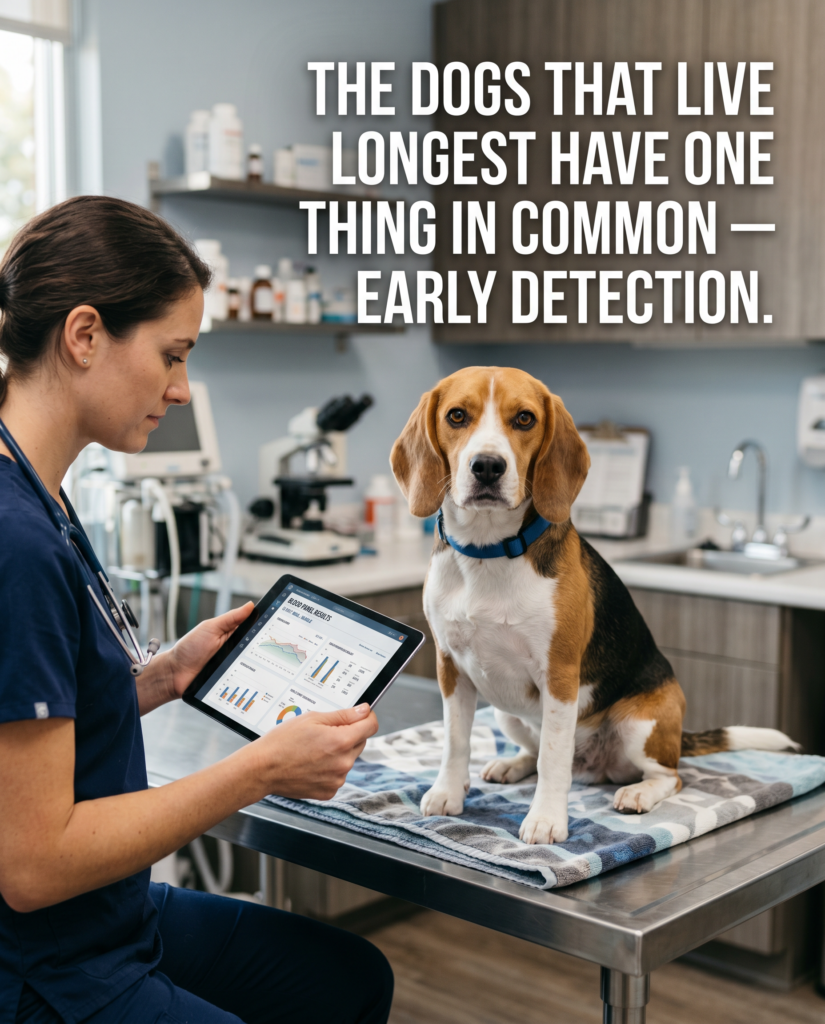
The biggest health threats cancer, heart disease, kidney disease, dental disease are all significantly more manageable when caught early. Annual checkups for young and middle-aged dogs, and bi-annual visits for seniors, allow vets to detect changes before symptoms appear. Blood panels, dental exams, and physical assessments at routine visits have saved countless dogs’ lives by catching problems in stage one rather than stage four.
5. Take Dental Health Seriously
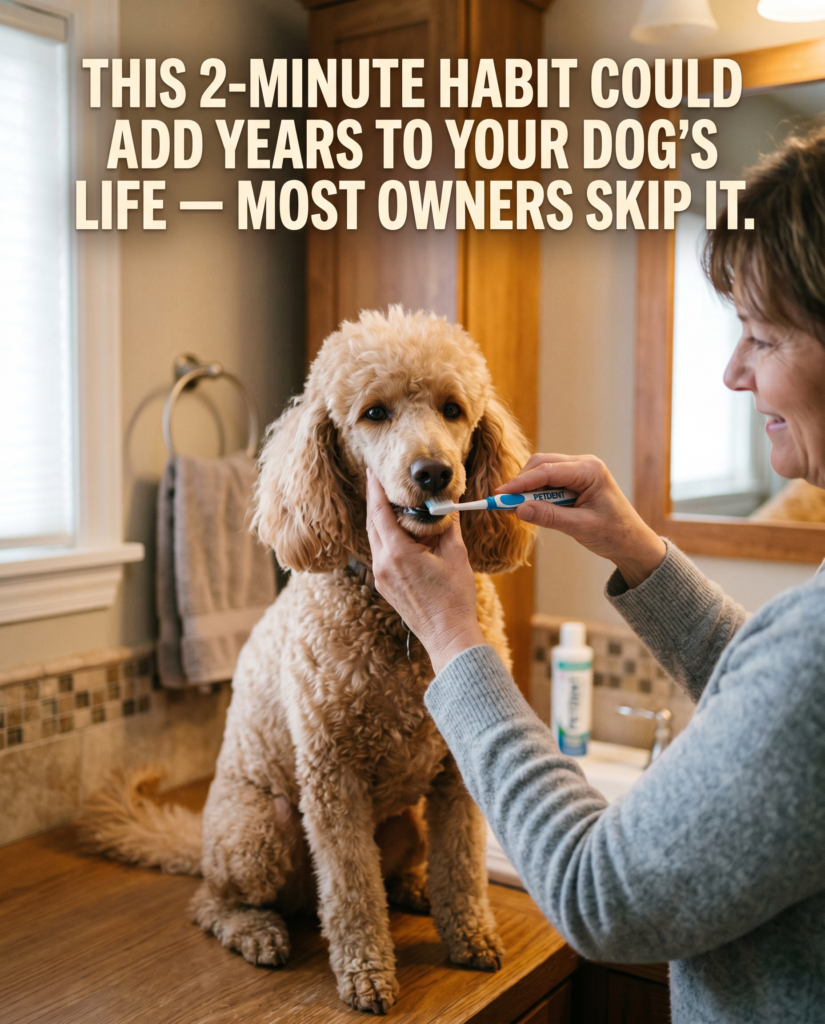
Dental disease affects the majority of dogs over three years old and is directly linked to heart, kidney, and liver disease through the bacteria that enter the bloodstream from infected gums. Daily tooth brushing is the gold standard, but even a few times a week combined with dental chews and annual professional cleanings makes a significant difference. The mouth is a window to the rest of the body keep it clean.
6. Keep Vaccinations and Parasite Prevention Up to Date
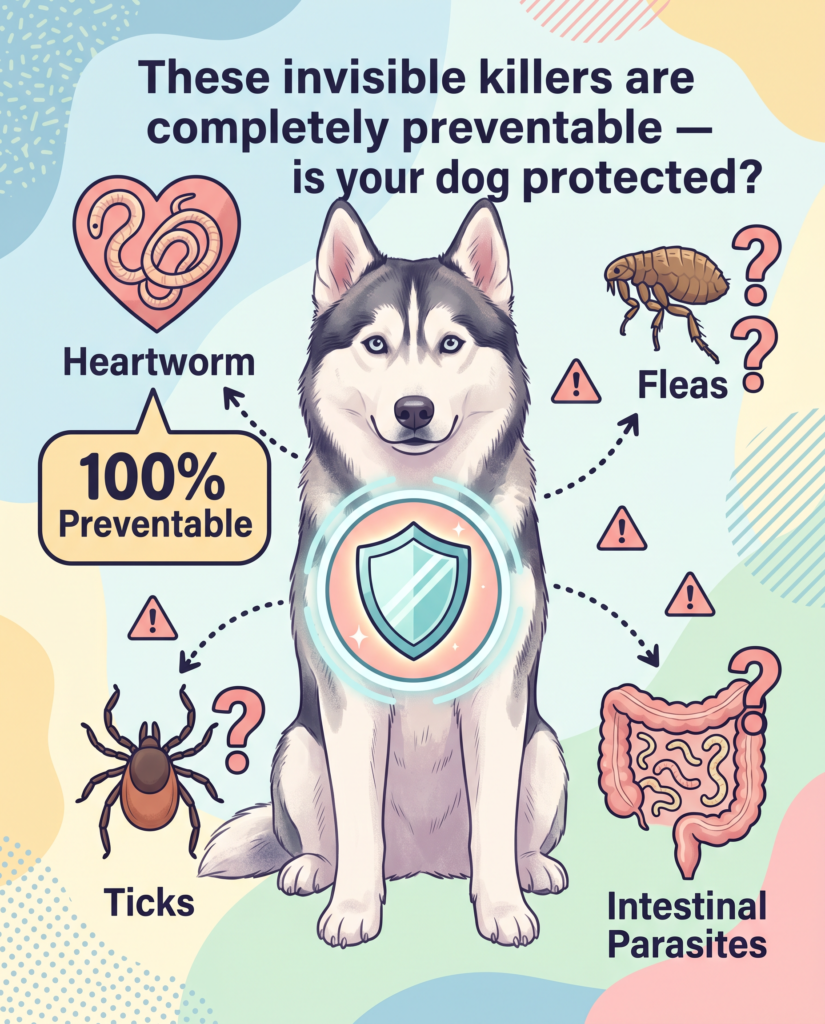
Preventable diseases kill dogs every year and most of them are entirely avoidable with vaccines and regular parasite control. Heartworm, in particular, is a devastating and often fatal condition that is completely preventable with a monthly tablet. Fleas, ticks, and intestinal parasites also cause chronic health damage that quietly shortens lifespan. Staying current on all preventive care is one of the simplest and highest-impact things you can do.
7. Minimize Chronic Stress
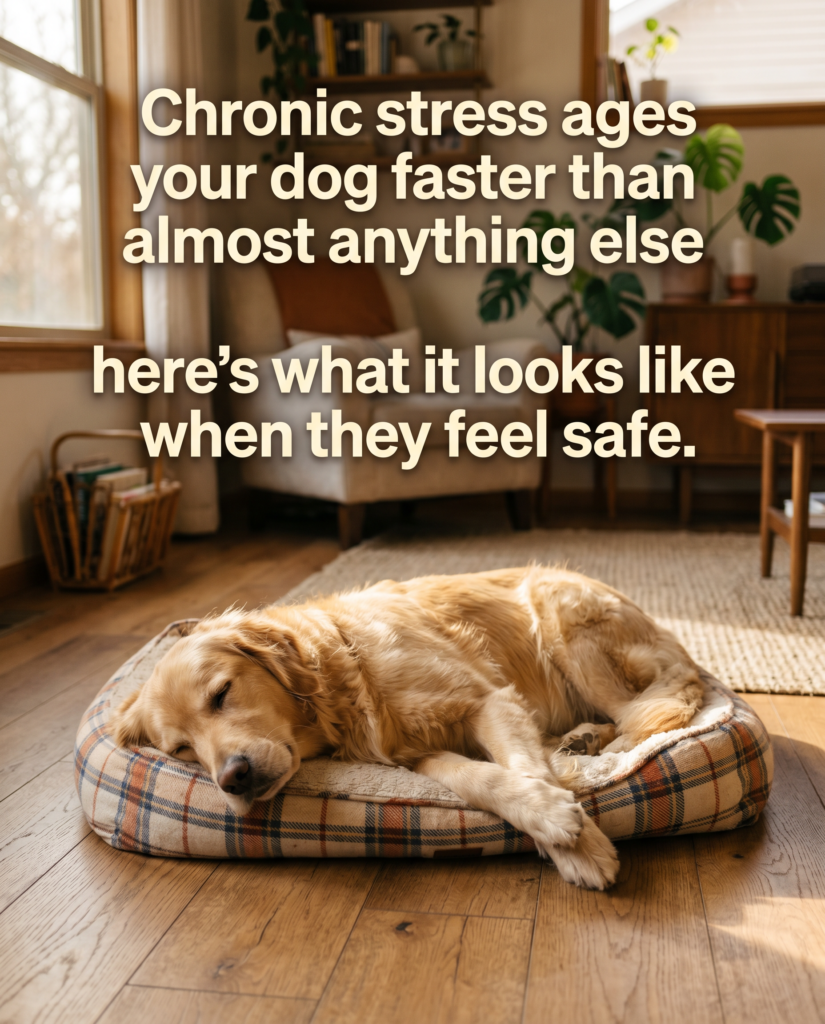
Chronic stress has a measurable negative effect on immune function, digestion, cardiovascular health, and cellular aging in dogs just as it does in humans. Dogs that live in unpredictable, chaotic, or consistently tense environments age faster at a biological level. Providing stability, routine, positive social interaction, and a calm home environment isn’t just good for behavior it’s a genuine longevity strategy.
8. Socialize Them Properly and Early
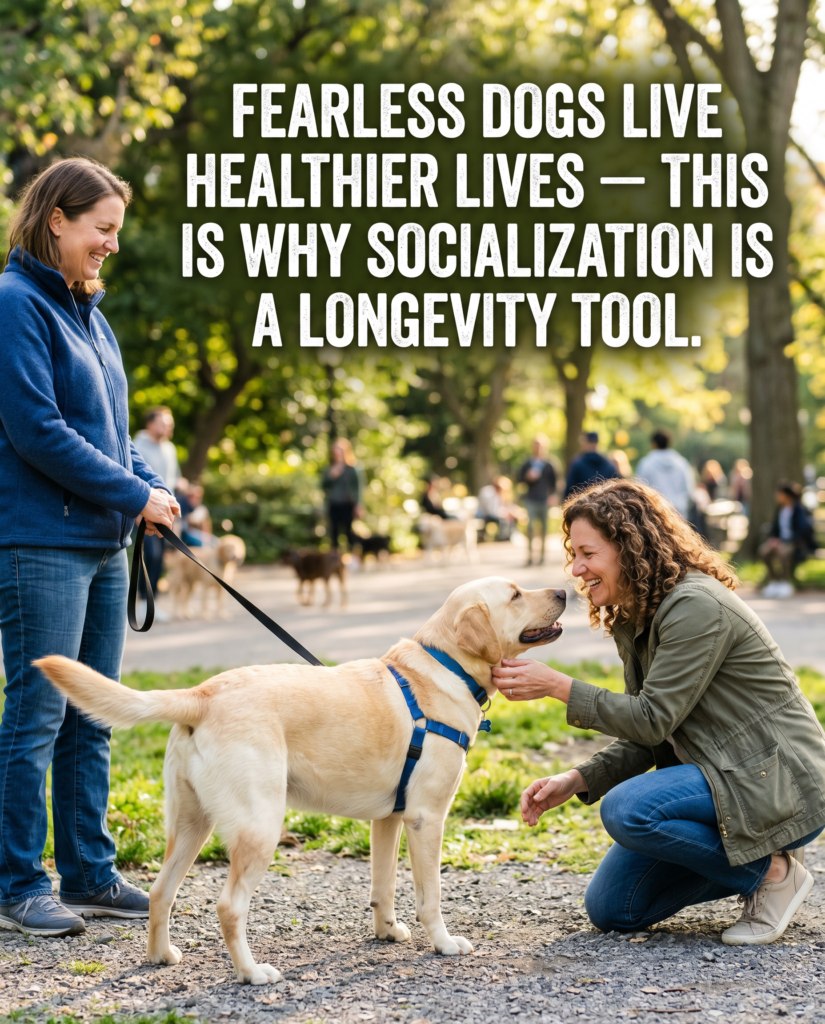
Well-socialized dogs handle new experiences, environments, and people with less stress, which means lower chronic cortisol levels throughout their lives. Dogs that are fearful and reactive to the world around them experience daily stress that compounds over years. Early socialization during puppyhood lays the foundation, but gentle ongoing exposure to new experiences throughout life keeps dogs mentally resilient and emotionally healthy.
9. Monitor Changes in Their Body Regularly
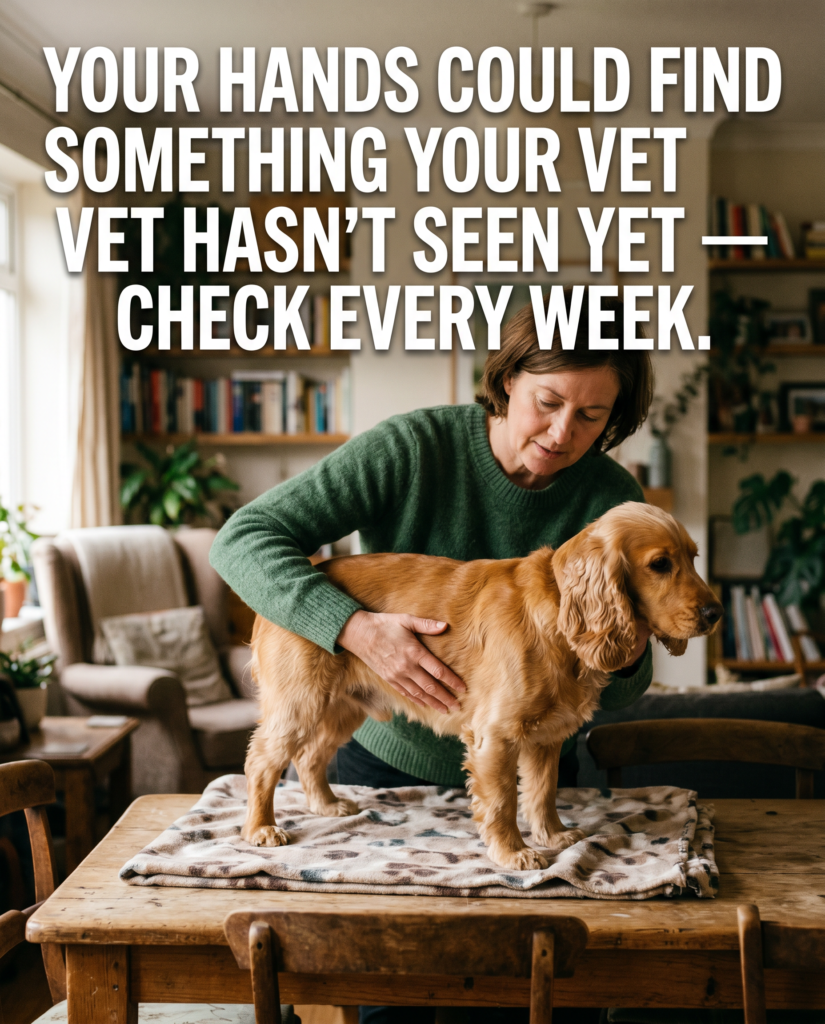
You are your dog’s first line of defense. Running your hands over your dog’s entire body regularly checking for lumps, tender spots, changes in coat or skin, unusual swelling means you’re far more likely to catch something early. Many dogs have had cancerous lumps found and successfully treated because their owner noticed something small and acted quickly. Make a weekly body check part of your routine.
10. Reduce Exposure to Environmental Toxins
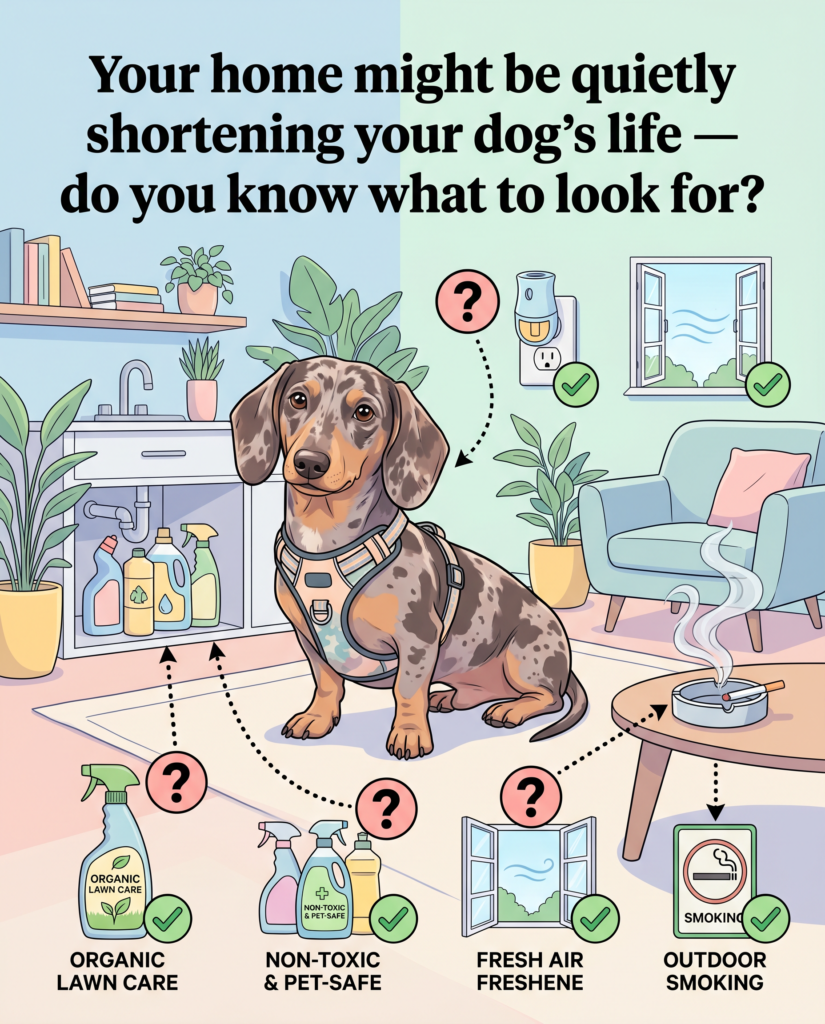
Lawn chemicals, household cleaners, air fresheners, secondhand smoke, and certain flea products all expose your dog to compounds that accumulate in the body over time and are linked to higher cancer rates and organ damage. Dogs that live in chemically heavy environments have measurably shorter lifespans. Switching to pet-safe products, avoiding chemical lawn treatments, and keeping your home well-ventilated are all practical steps that reduce lifelong toxic burden.
11. Spay or Neuter at the Right Time
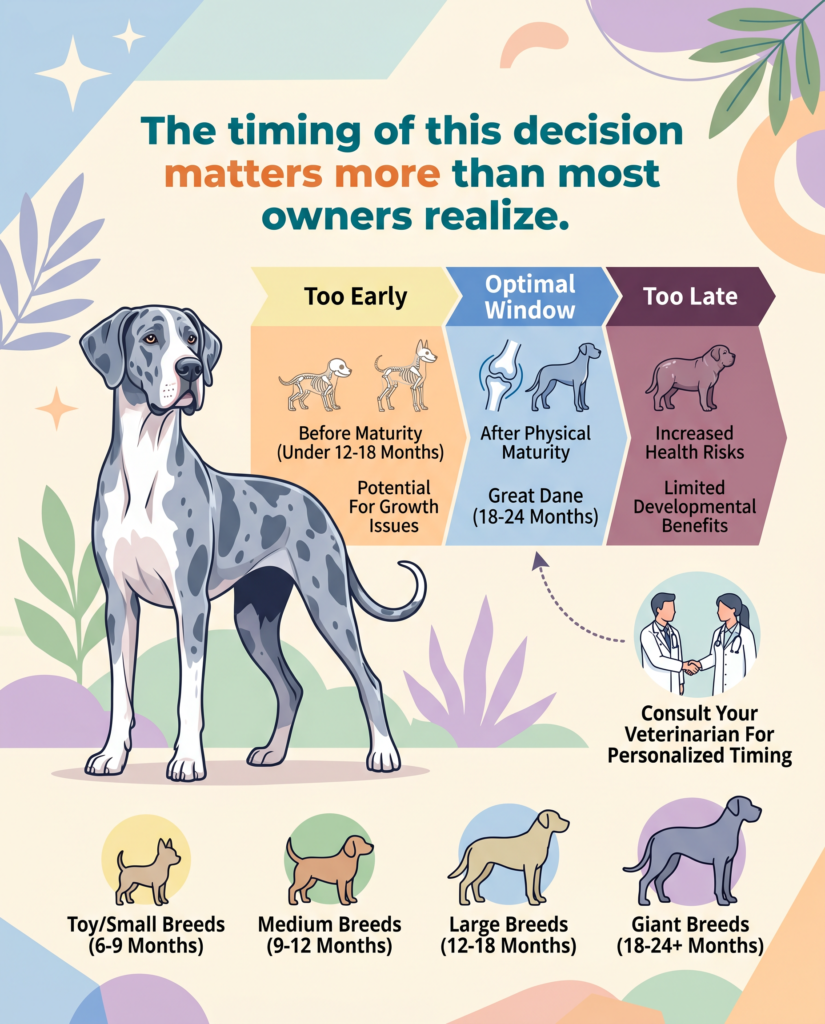
Spaying and neutering have well-established health benefits including the elimination of reproductive cancers and significant reduction in hormone-driven diseases. However, timing matters emerging research suggests that for some larger breeds, waiting until skeletal maturity before altering may reduce the risk of certain joint conditions and cancers. Discuss the optimal timing for your specific breed and size with your vet rather than following a one-size-fits-all approach.
12. Give Them a Strong Reason to Live — Love and Connection
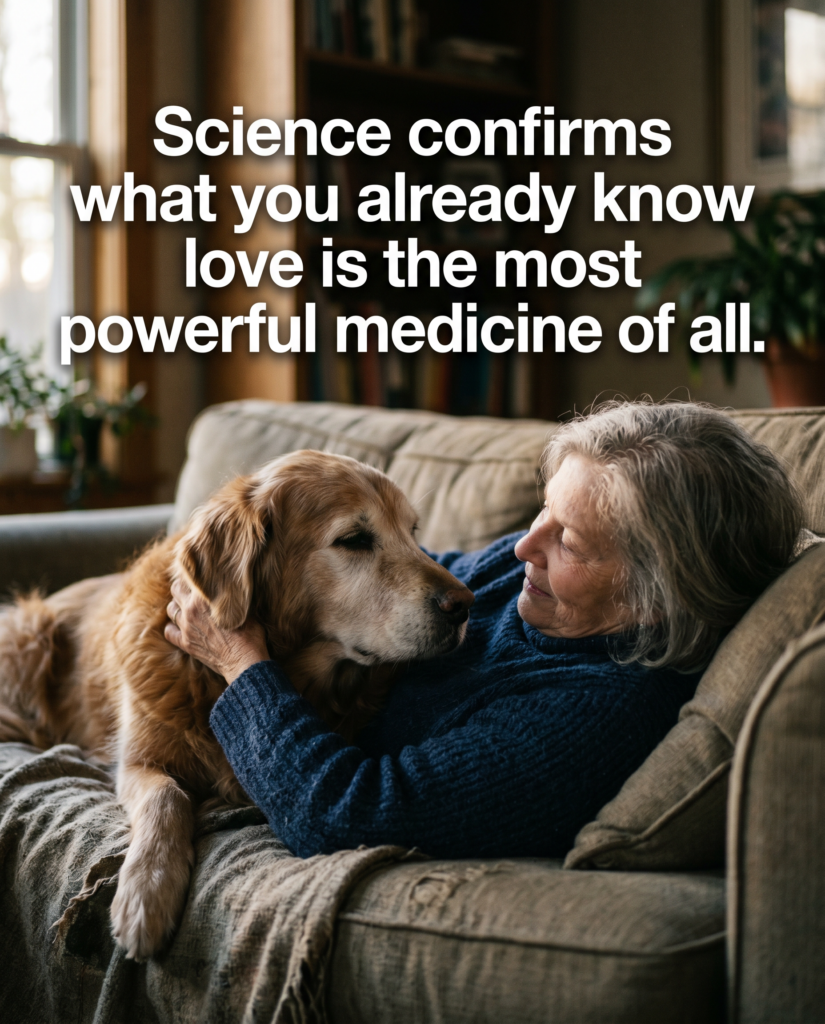
This one isn’t just sentimental. Research consistently shows that dogs with strong emotional bonds to their owners have lower stress hormones, stronger immune responses, and better overall health outcomes. Dogs that feel loved, secure, and connected to their family are measurably healthier than those that are isolated or emotionally neglected. Time spent together play, cuddles, training, walks is not a luxury. It’s medicine.