9 Reasons Your Dog Is Barking Excessively
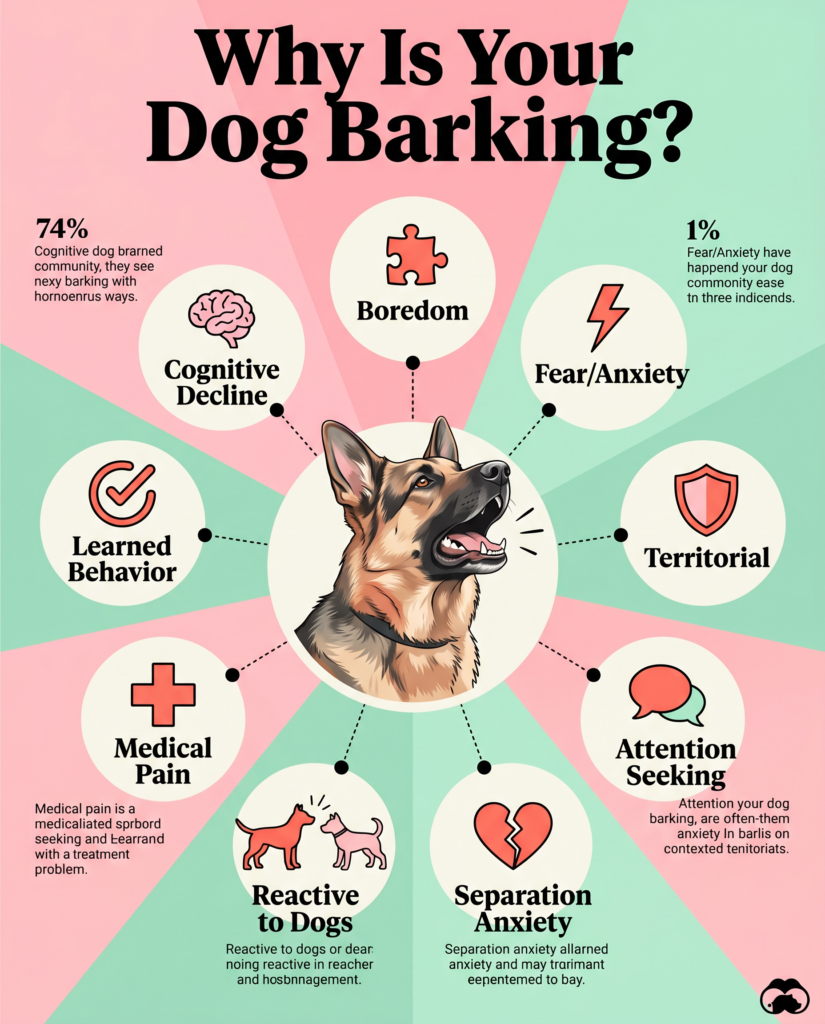
Barking is completely normal it’s how dogs communicate. But when the barking becomes constant, disruptive, or seems to come out of nowhere, something deeper is usually going on. Understanding why your dog is barking excessively is the first step to solving the problem. Here are 9 of the most common reasons and what you can do about each one.

1. Boredom and Lack of Mental Stimulation
A bored dog is a noisy dog. When dogs don’t get enough physical exercise or mental engagement, they find their own ways to release that pent-up energy and barking is one of the easiest outlets. This is especially common in high-energy breeds like Border Collies, Huskies, and Jack Russell Terriers that were bred to work all day. Simply increasing daily walks, adding puzzle toys, or introducing training sessions can dramatically reduce boredom barking. A tired dog is almost always a quieter dog.
2. Fear or Anxiety
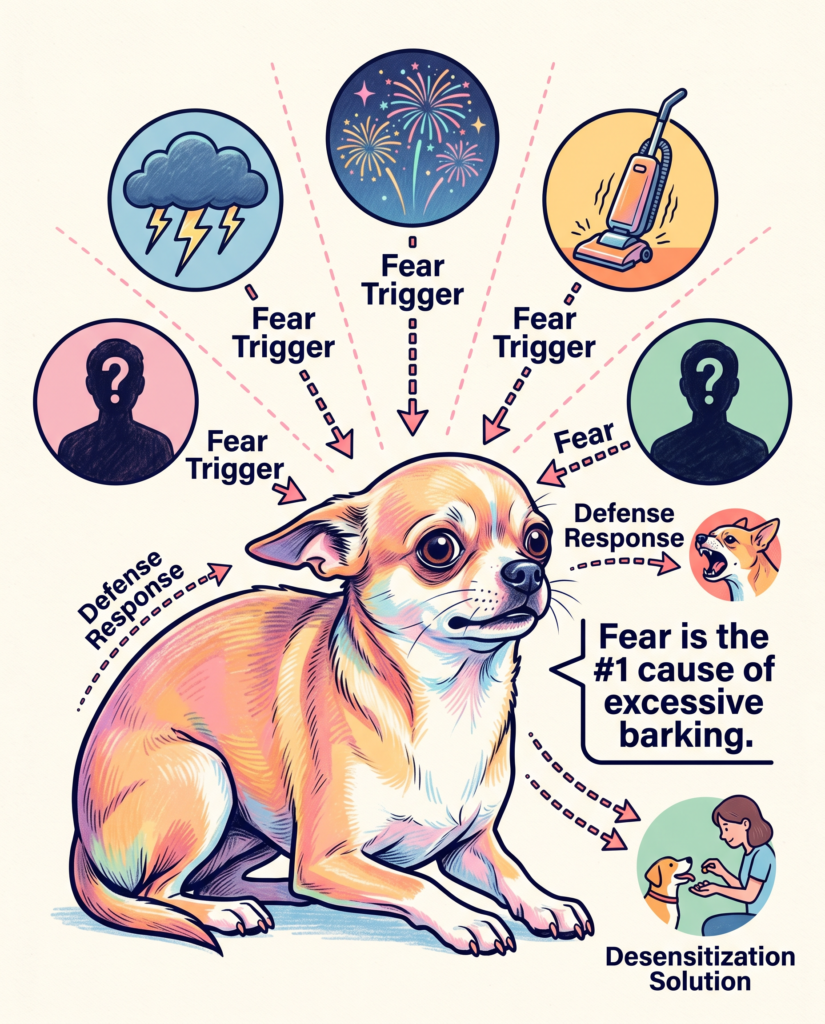
Fear is one of the most common triggers for excessive barking. Loud noises like thunderstorms, fireworks, or even vacuum cleaners can send an anxious dog into a barking spiral. Some dogs are also fearful of strangers, other animals, or unfamiliar environments. The barking in these cases is a defense mechanism your dog is trying to warn you or scare away whatever is frightening them. Addressing the root fear through gradual desensitization or working with a professional trainer is far more effective than trying to silence the barking directly.
3. Territorial Behavior
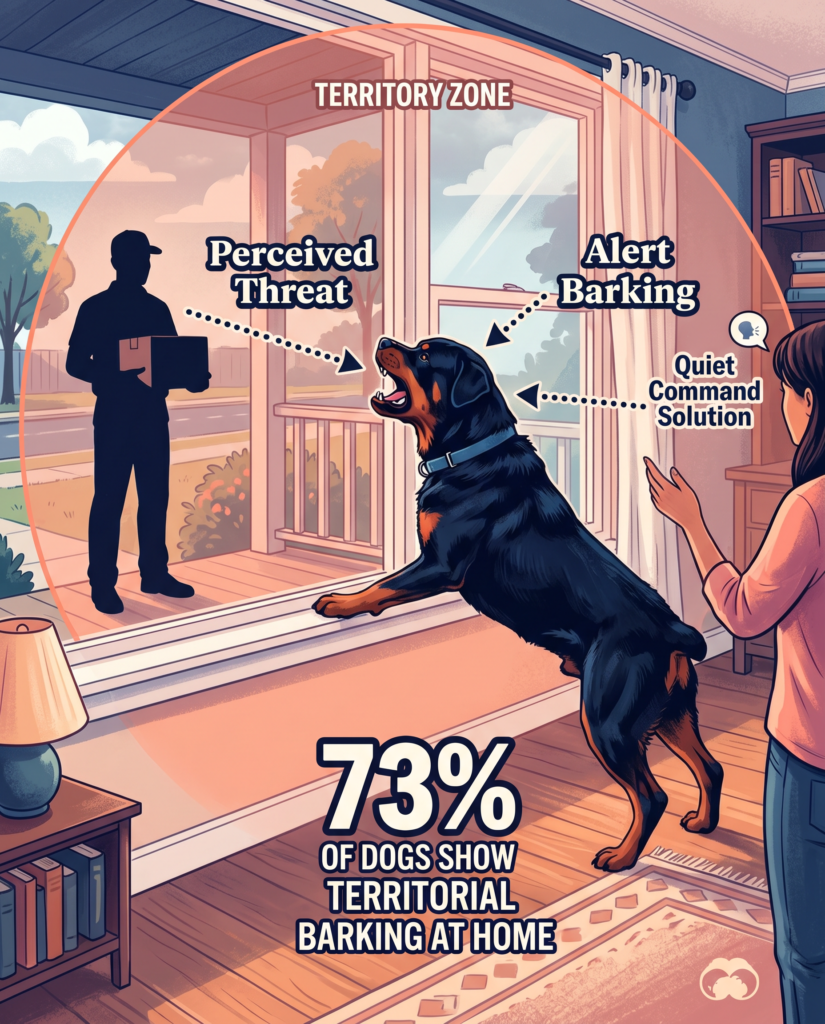
Dogs are naturally territorial and will bark to alert you and warn others when someone enters what they consider their space. This includes the front yard, the car, or even a favorite spot on the couch. While some level of territorial barking is normal and even useful, it becomes a problem when the dog barks at every passerby, neighbor, or delivery driver. Teaching a “quiet” command and managing your dog’s sightlines for example, using window film to block street views can help keep territorial barking under control.
4. Attention Seeking
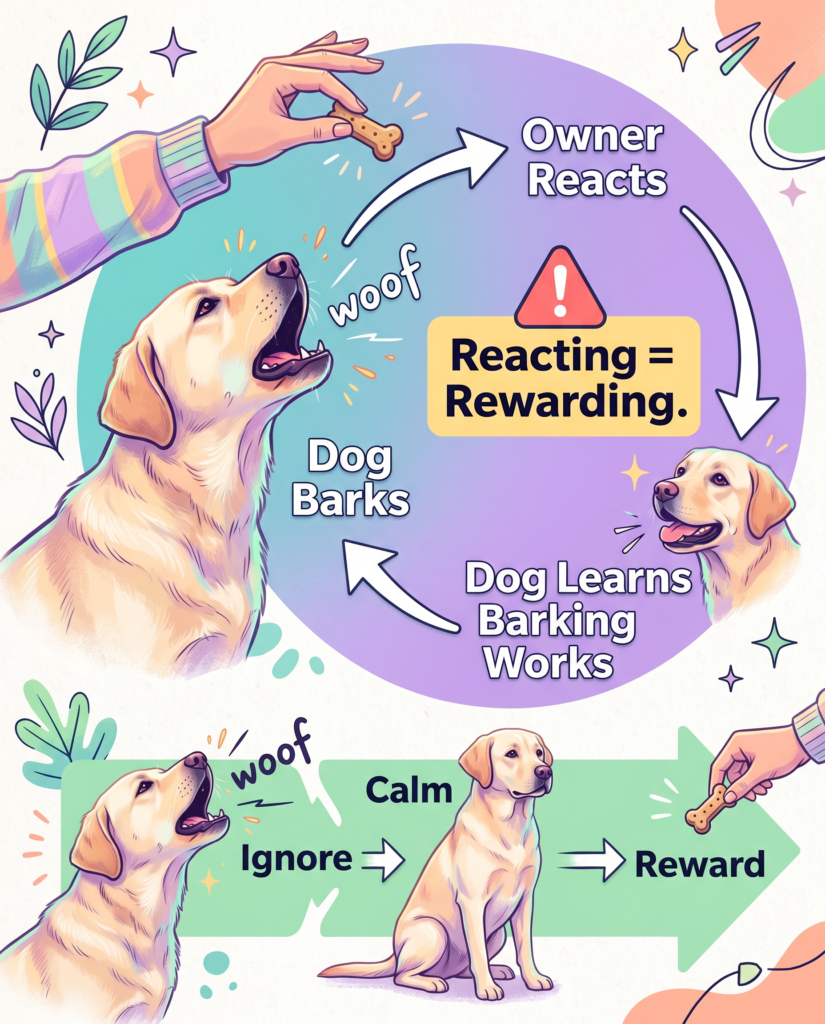
Some dogs figure out very quickly that barking gets a reaction from their owner even a negative one. If your dog barks and you respond by looking at them, talking to them, or giving them a treat to stop, you’ve just rewarded the behavior. Attention-seeking barking is one of the most common and most accidentally reinforced habits in pet dogs. The fix is counterintuitive completely ignore the barking and only give attention when your dog is calm and quiet. Consistency is everything here.
5. Separation Anxiety
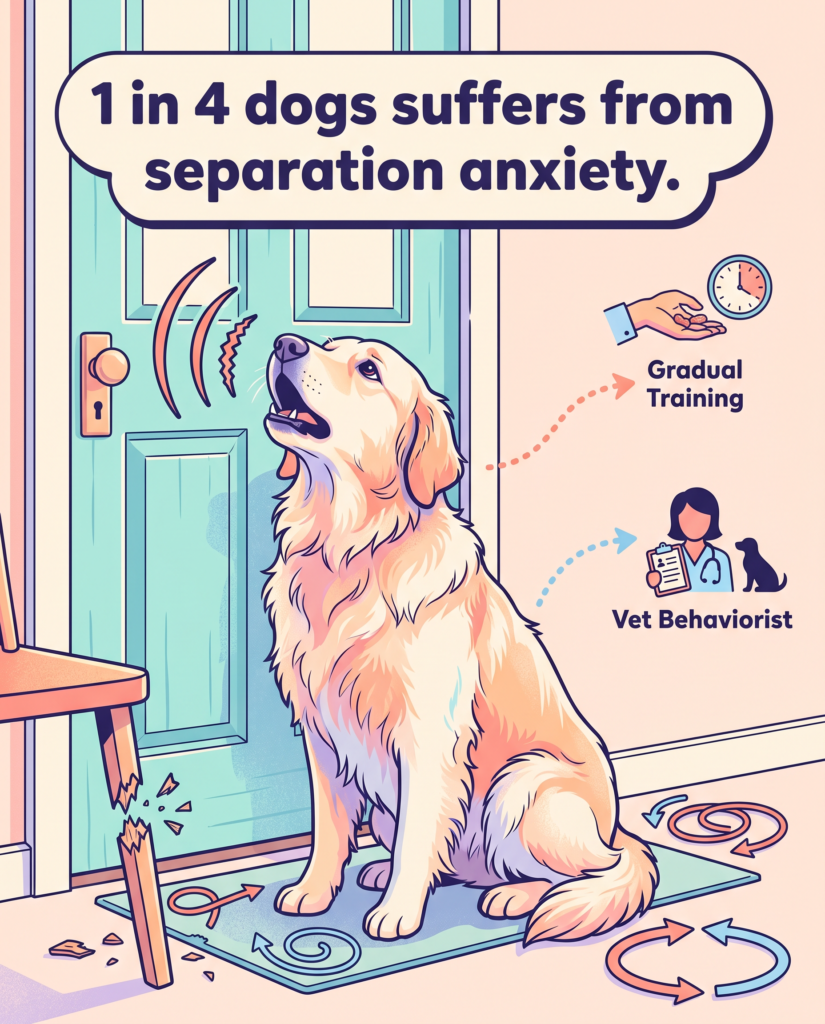
Dogs are social animals and many struggle deeply when left alone. Separation anxiety triggers a range of distressed behaviors including excessive barking, howling, destructive chewing, and house soiling. Neighbors often report the barking long before the owner realizes there’s a problem. Mild cases can be improved with gradual alone-time training and enrichment toys, but severe separation anxiety usually requires guidance from a veterinary behaviorist and sometimes medication.
6. Reactive Barking Toward Other Dogs
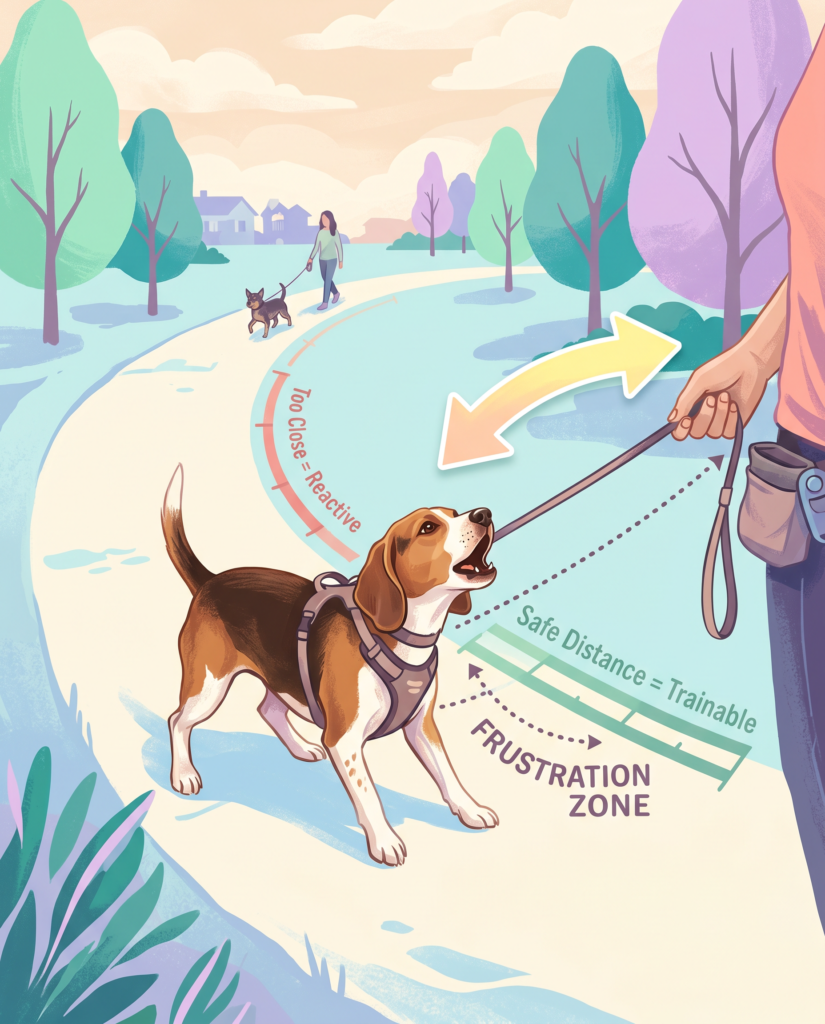
Many dogs bark intensely at other dogs on walks or through the fence not necessarily out of aggression, but out of frustration or overexcitement. This is called leash reactivity, and it’s extremely common. The dog wants to interact but can’t, and the tension of the leash adds to the frustration. Reactive barking can be improved significantly with positive reinforcement training, teaching the dog to focus on the owner instead of the trigger, and keeping a safe distance from other dogs during early training stages.
7. Medical Pain or Discomfort
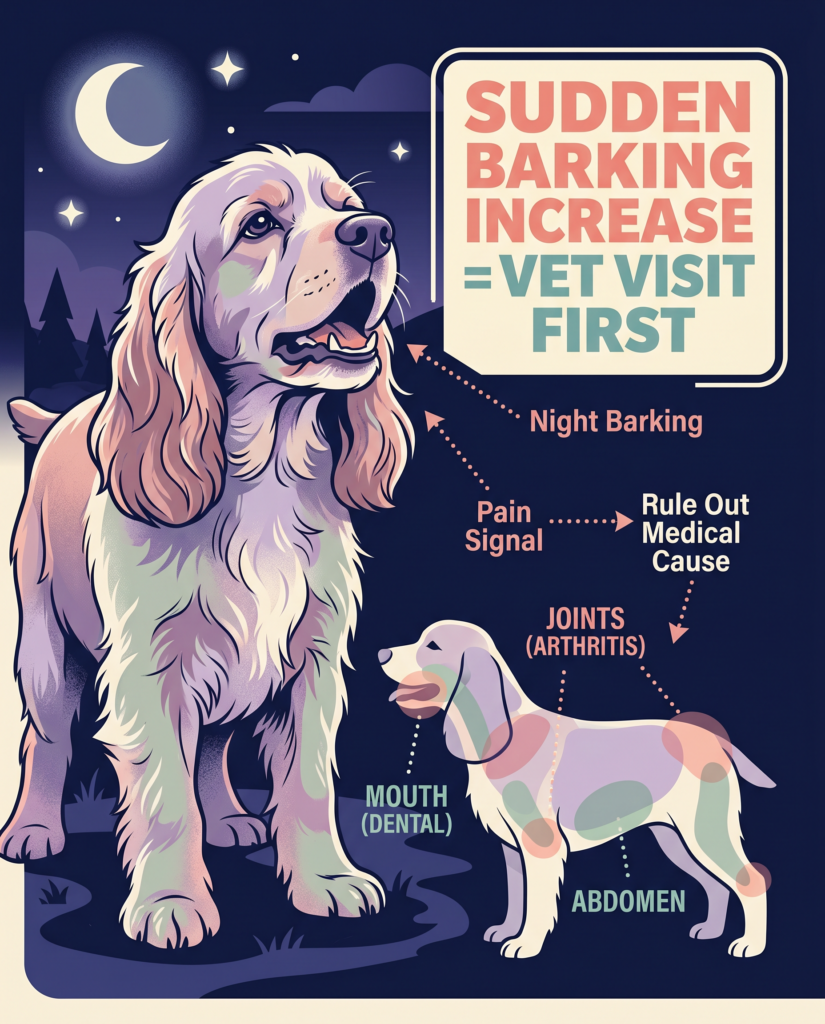
A dog that suddenly starts barking more than usual especially at night may be trying to communicate that something hurts. Older dogs with arthritis, dogs with dental pain, or those with internal discomfort may bark as a way of expressing distress. If there’s no obvious behavioral explanation for a sudden increase in barking, a vet visit should be the first step. Ruling out a medical cause is always important before assuming the problem is purely behavioral.
8. Learned Behavior from Reinforcement
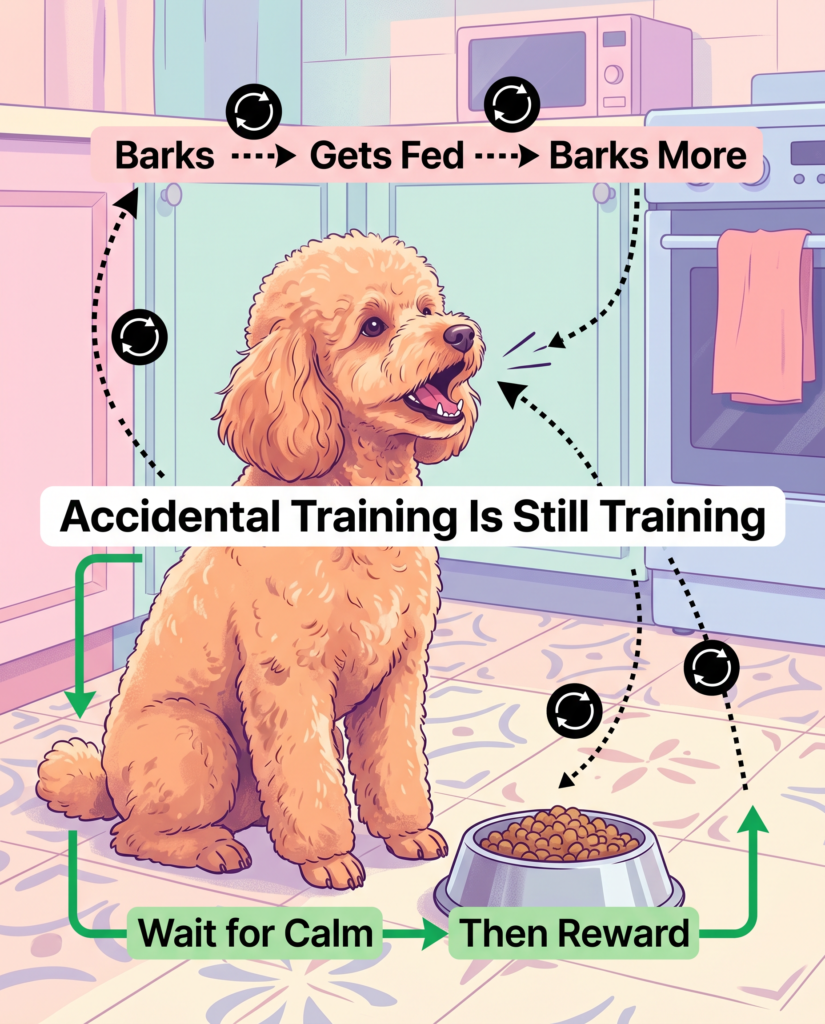
Dogs repeat behaviors that work. If barking has ever resulted in something good getting fed, going outside, receiving play or cuddles your dog has learned that barking is an effective strategy. This kind of learned barking can be surprisingly stubborn to undo because the reward history is strong. Identifying exactly what the barking has been “earning” and removing that reward while replacing it with a calmer alternative behavior is the most reliable approach.
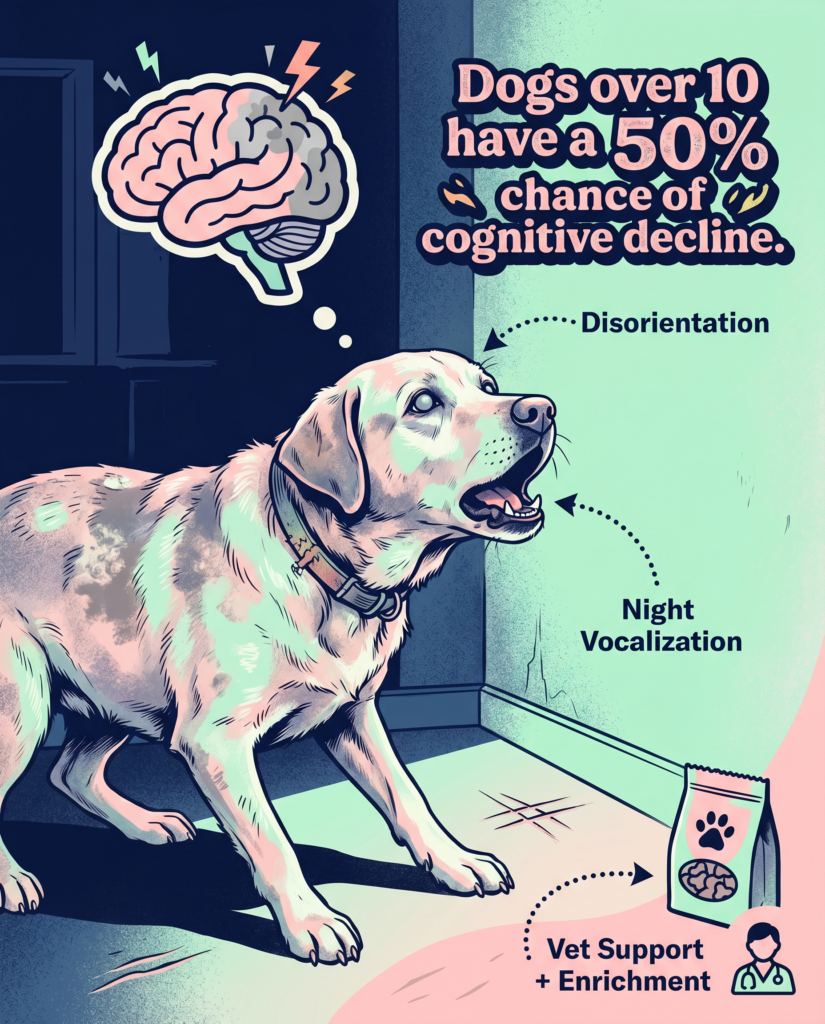
9. Age-Related Cognitive Decline
Older dogs can develop canine cognitive dysfunction sometimes called doggy dementia which causes confusion, disorientation, and increased vocalization, especially at night. If your senior dog has started barking at walls, into empty corners, or waking up howling in the middle of the night, cognitive decline may be the reason. While there is no cure, the condition can be managed with veterinary support, dietary changes, and environmental enrichment designed to keep the aging brain stimulated.