11 Ways to Boost Your Dog’s Immune System Naturally
Your dog’s immune system is their first line of defense against illness, infection, and disease. But here’s what most owners don’t realize the everyday choices you make about food, exercise, and environment either strengthen or weaken that defense every single day. The good news? Small, consistent changes can make a dramatic difference. Here are 11 natural ways to give your dog’s immune system the boost it deserves.
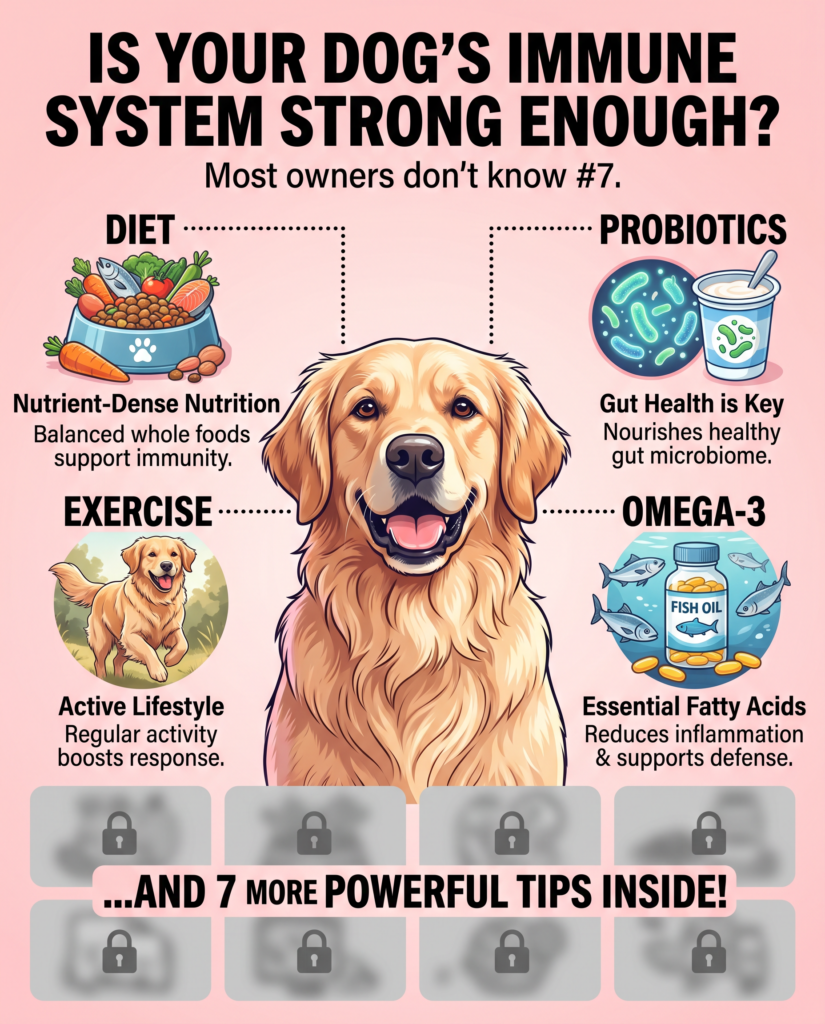

1. Feed a High-Quality, Nutrient-Rich Diet
The foundation of a strong immune system starts in the bowl. Highly processed commercial dog foods filled with artificial additives, low-quality fillers, and rendered by-products don’t give the immune system the raw materials it needs to function properly. Look for foods with real, named protein sources as the first ingredient, minimal processing, and no artificial preservatives. Even small upgrades like adding fresh whole foods to your dog’s existing diet can make a noticeable difference over time.
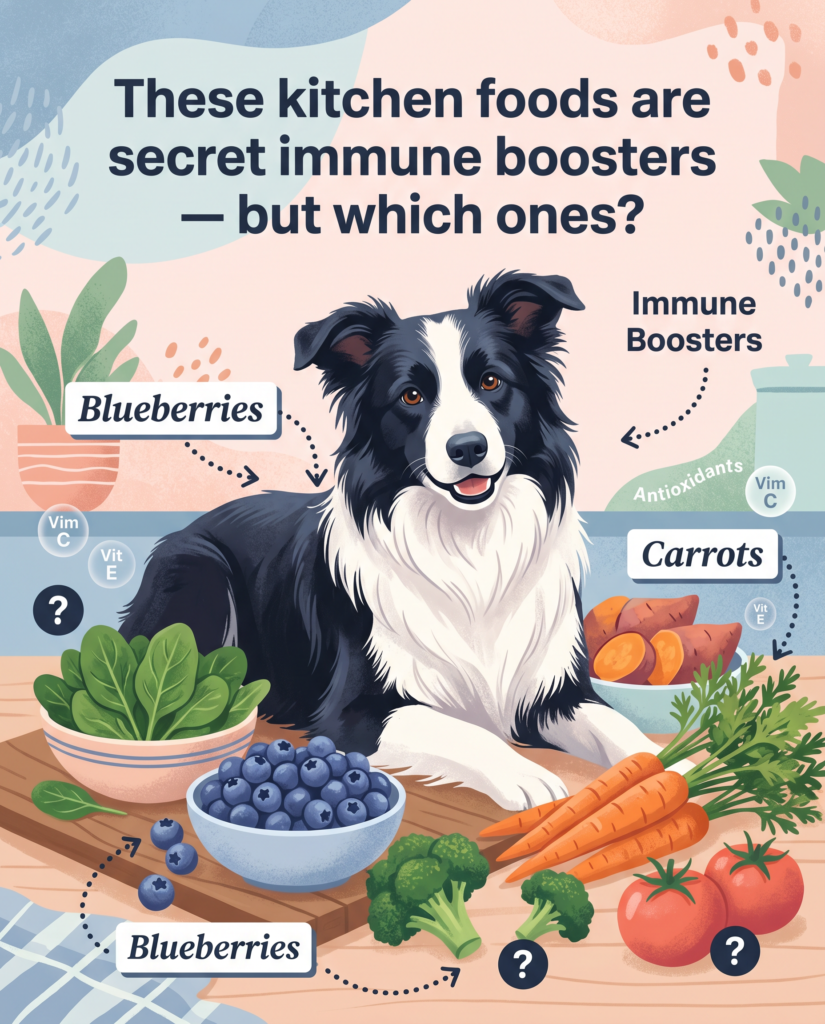
2. Add Antioxidant-Rich Foods
Antioxidants neutralize free radicals that damage cells and weaken immune response. Blueberries, spinach, sweet potato, and carrots are all excellent antioxidant sources that are safe for dogs. A small amount added to your dog’s regular meals a few times a week is all it takes. Think of it as a natural immune supplement hiding in plain sight in your kitchen.

3. Support Gut Health With Probiotics
Around 70% of the immune system lives in the gut which means a healthy digestive system is directly linked to strong immunity. Probiotics introduce beneficial bacteria that keep the gut microbiome balanced and functioning well. Plain Greek yogurt, kefir, or dog-specific probiotic supplements are all good options. If your dog has recently been on antibiotics, probiotic support is especially important to restore gut balance.
4. Make Sure They Get Enough Exercise
Regular physical activity keeps the immune system active and responsive. Exercise improves circulation, reduces stress hormones, supports a healthy weight, and stimulates the lymphatic system all of which contribute to better immune function. The right amount depends on breed, age, and health status, but even a consistent daily walk makes a meaningful difference compared to a sedentary lifestyle.

5. Prioritize Quality Sleep
Sleep is when the body repairs itself and consolidates immune memory. Dogs that don’t get enough rest due to noise, disruption, anxiety, or an uncomfortable sleeping environment have higher stress hormone levels that suppress immune function over time. Make sure your dog has a quiet, comfortable, and consistent place to sleep. Senior dogs and puppies in particular need more sleep than healthy adult dogs.
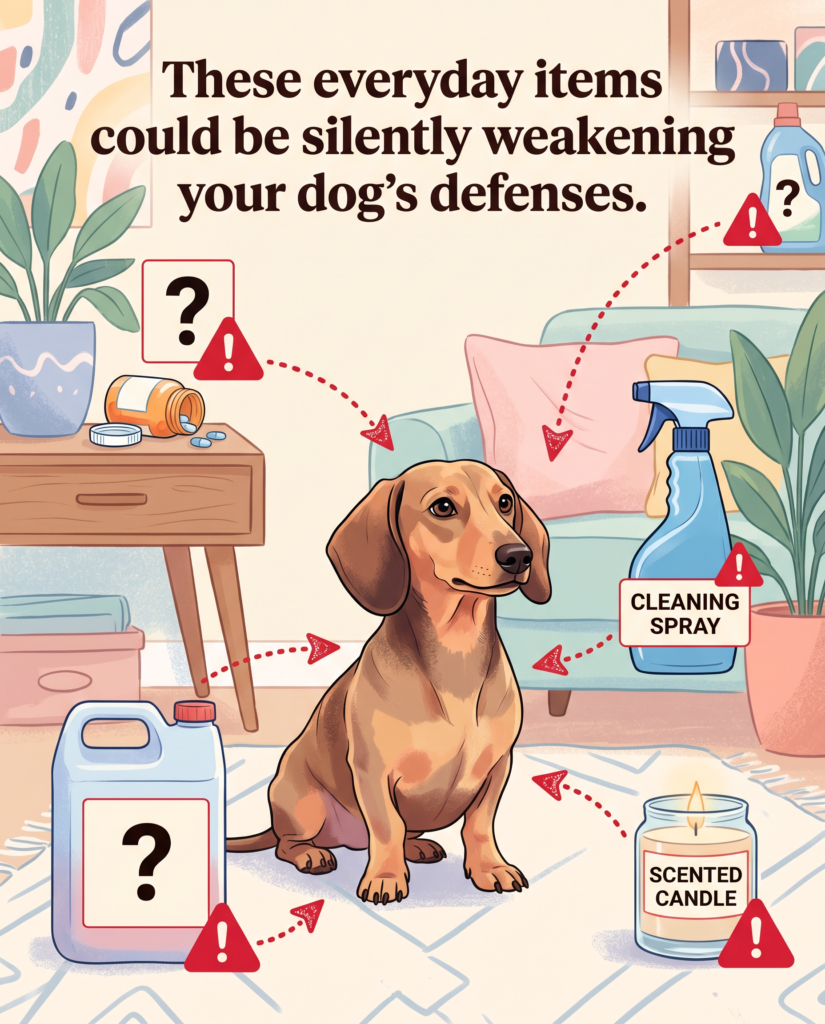
6. Reduce Exposure to Toxins
Many everyday household products contain chemicals that quietly burden the immune system over time. Lawn pesticides, chemical cleaning products, air fresheners, scented candles, and certain flea treatments all expose your dog to substances their body has to work to neutralize. Switching to pet-safe cleaning products, avoiding chemical lawn treatments, and choosing natural parasite prevention where possible reduces the toxic load and frees the immune system to do its real job.

7. Keep Stress Levels Low
Chronic stress is one of the most powerful immune suppressors there is in dogs just as in humans. Dogs that live in unpredictable, loud, or tense environments have chronically elevated cortisol levels that directly suppress immune function. Providing a stable routine, positive social interaction, mental enrichment, and a calm home environment isn’t just good for behavior it’s essential for physical health too.
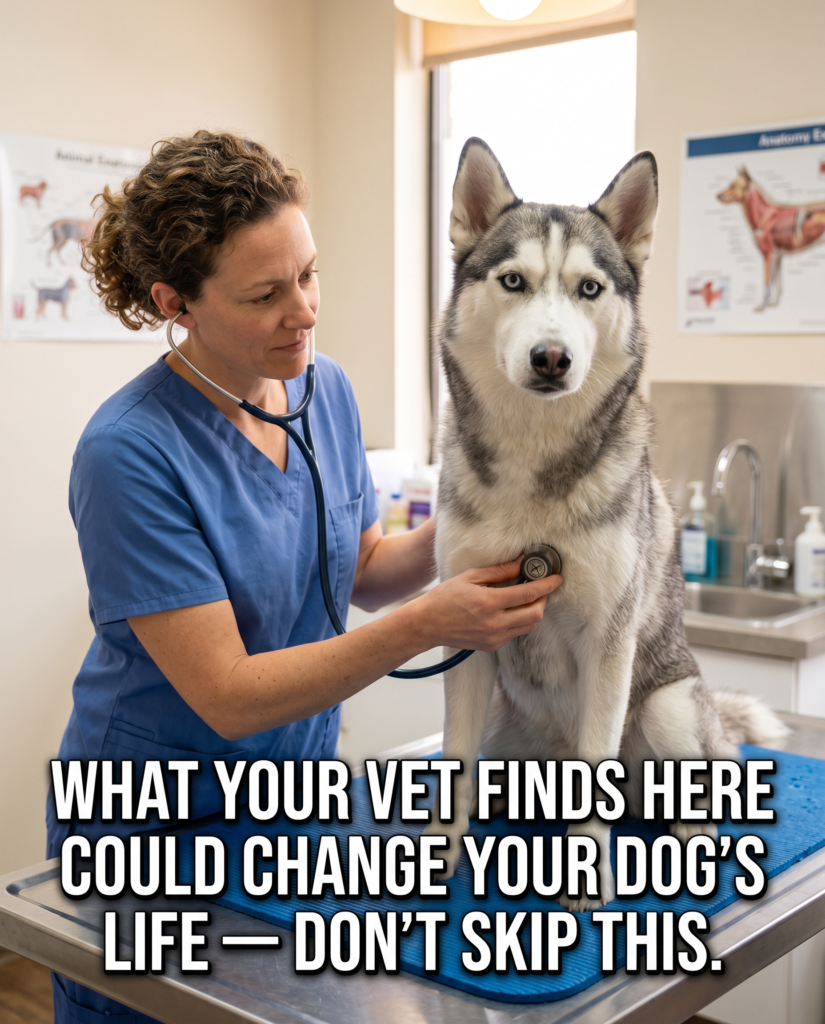
8. Don’t Skip Regular Vet Checkups
Preventive care is immune support. Regular vet visits allow early detection of parasites, infections, dental disease, and underlying conditions that quietly drain the immune system before symptoms become obvious. Keeping vaccinations up to date ensures the immune system is primed to respond to known threats. Annual checkups for young dogs and bi-annual visits for seniors are the minimum recommended schedule.
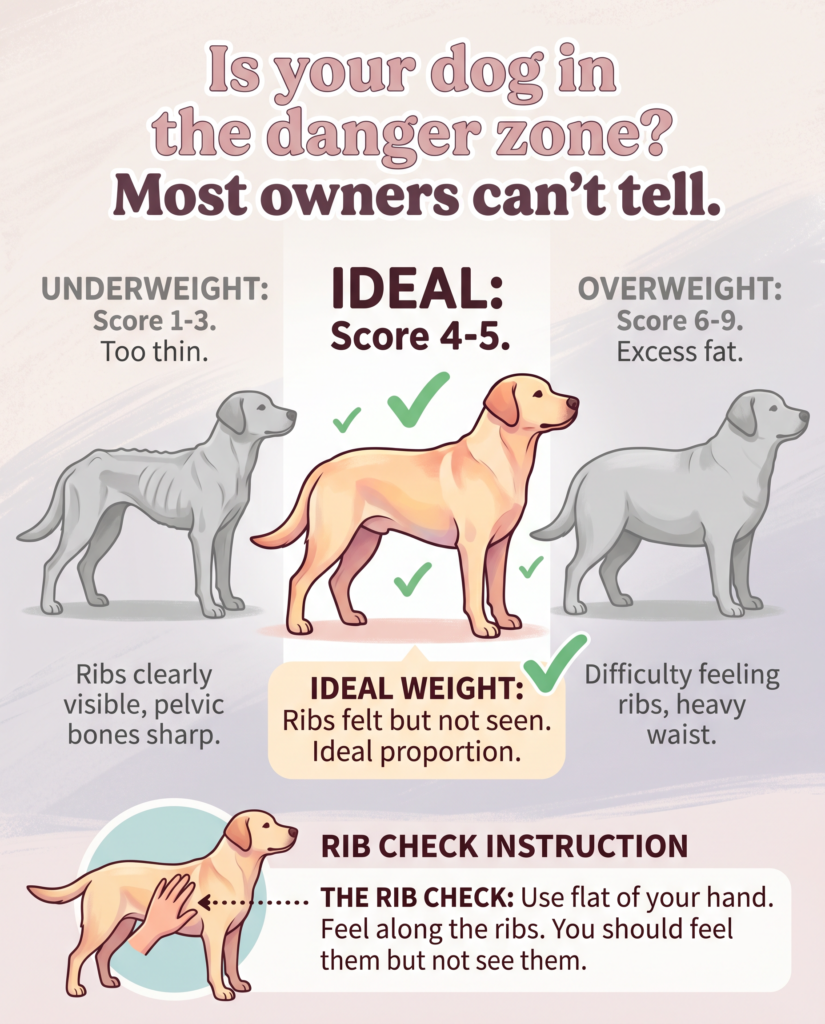
9. Maintain a Healthy Weight
Obesity is one of the most underrecognized causes of immune dysfunction in dogs. Excess fat tissue produces inflammatory compounds that chronically activate and eventually exhaust the immune system. Overweight dogs are more susceptible to infections, recover more slowly from illness, and have higher rates of cancer and autoimmune disease. Keeping your dog at a healthy body weight through appropriate diet and exercise is one of the single most impactful things you can do for their long-term health.
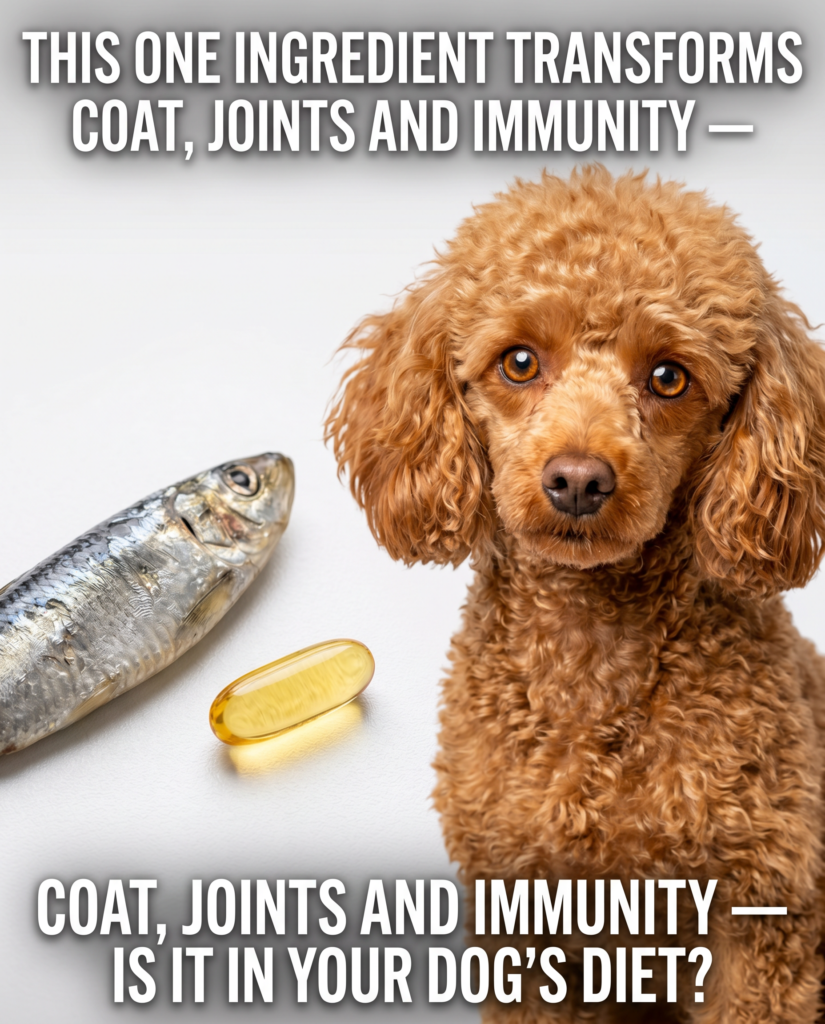
10. Add Omega-3 Fatty Acids
Omega-3 fatty acids particularly EPA and DHA found in fish oil have powerful anti-inflammatory properties that support immune regulation. They help the immune system respond appropriately without tipping into chronic inflammation, which is a driver of many serious diseases. Fish oil, sardines in water, or flaxseed oil added in appropriate amounts to your dog’s diet are all good sources. Always check dosing guidelines for your dog’s weight before supplementing.

11. Keep Their Environment Clean
A clean living environment reduces the constant bacterial, viral, and fungal challenges the immune system has to deal with. Regularly washing your dog’s bedding, cleaning food and water bowls daily, and keeping living spaces free of mold and dampness all reduce the immune burden. This doesn’t mean your dog needs to live in a sterile environment some exposure to the natural world is actually beneficial but basic hygiene goes a long way toward keeping their defenses strong.