10 Healthy Human Foods You Can Safely Share With Your Dog
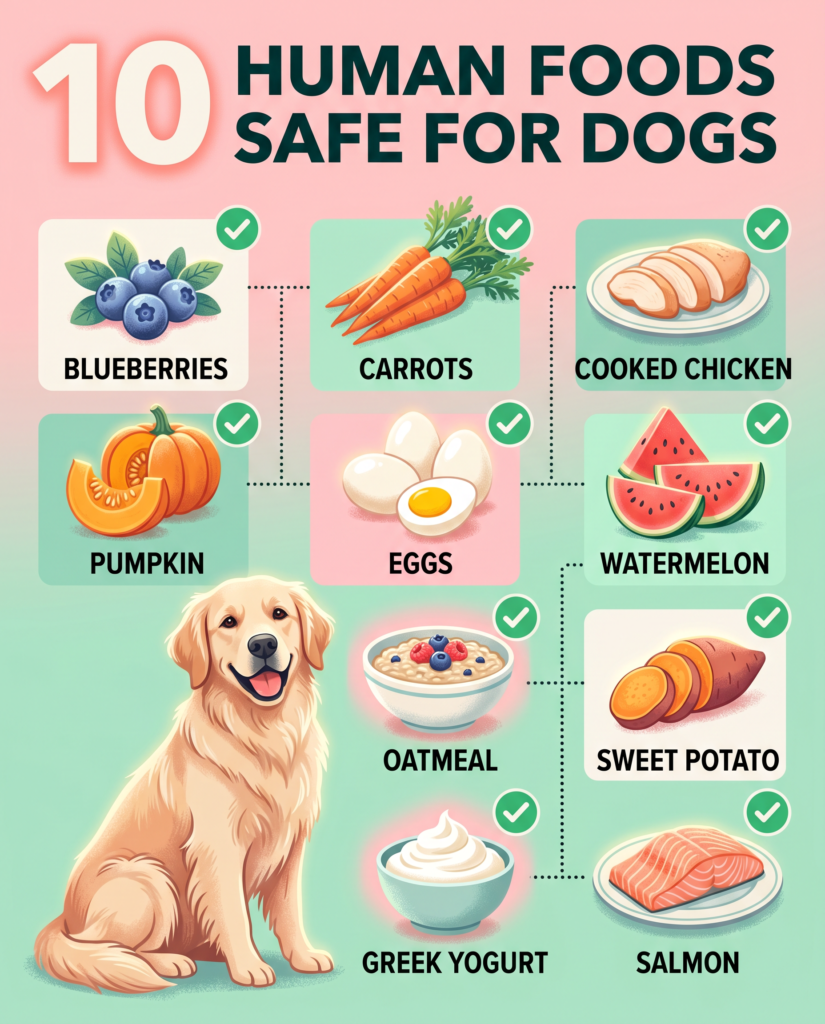
Most dog owners know the foods to avoid but what about the ones that are actually good for your pup? Many everyday foods from your kitchen are not only safe for dogs but genuinely nutritious. Here are 10 healthy human foods you can share with your dog, plus tips on how to serve them safely.
1. Blueberries
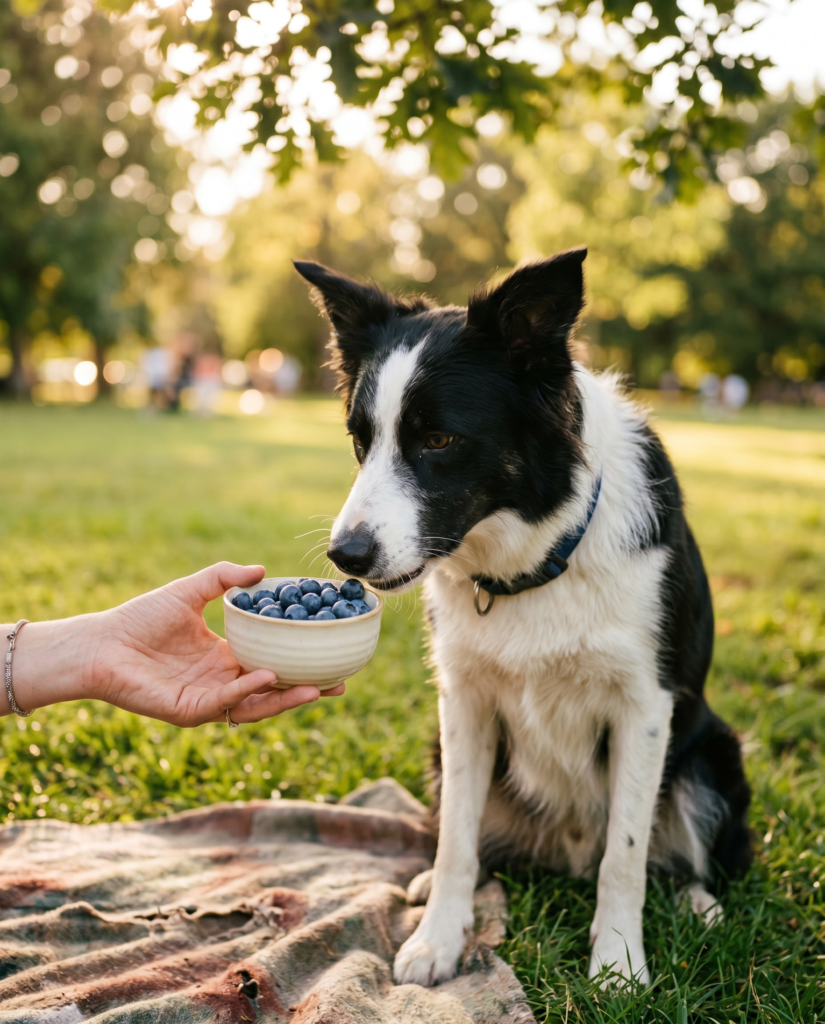
Blueberries are one of the best fruits you can give your dog. They’re packed with antioxidants, fiber, and vitamins C and K, which support immune health and fight cell damage. Most dogs love them as a treat straight from your hand. Serve them fresh or frozen both work great. Just keep portions moderate, as too much fruit can cause loose stools.
2. Carrots
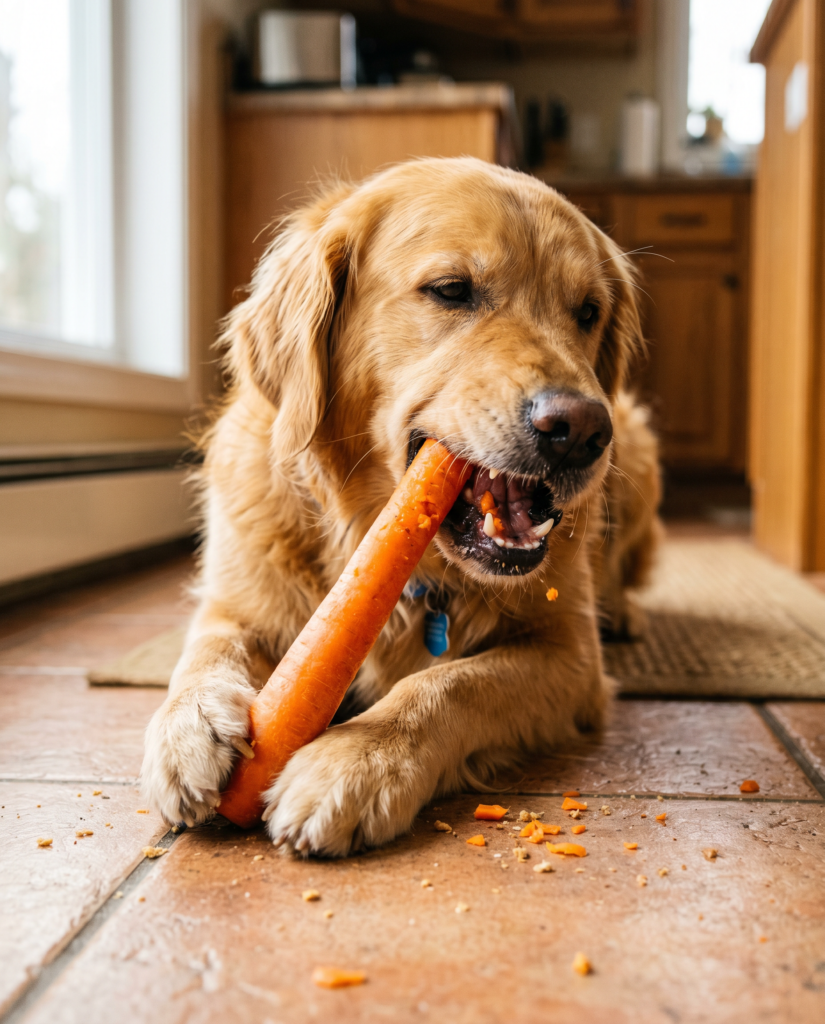
Carrots are a low-calorie, high-fiber snack that most dogs absolutely love. They’re great for dental health too chewing on a raw carrot helps scrape plaque off the teeth naturally. You can serve them raw, steamed, or even frozen as a satisfying chew on a hot day. They’re high in beta-carotene, which supports eye health and immune function. Just cut them into appropriate sizes to avoid choking, especially for smaller breeds.
3. Plain Cooked Chicken
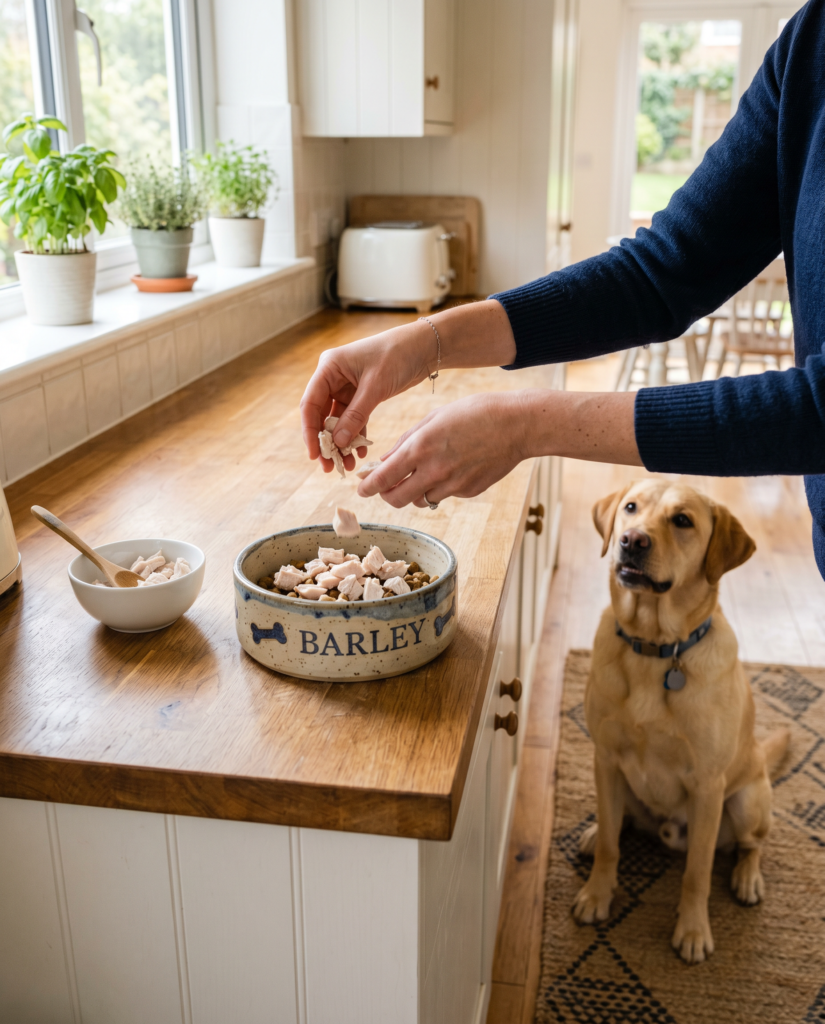
Cooked chicken is one of the most digestible protein sources for dogs and is commonly used in bland diets for dogs with upset stomachs. It’s high in protein, low in fat, and easy to prepare. Always serve it plain no seasoning, no garlic, no onion. Boiled or baked chicken breast is ideal. It can be mixed into regular kibble as a topper or given as a standalone treat.
4. Pumpkin
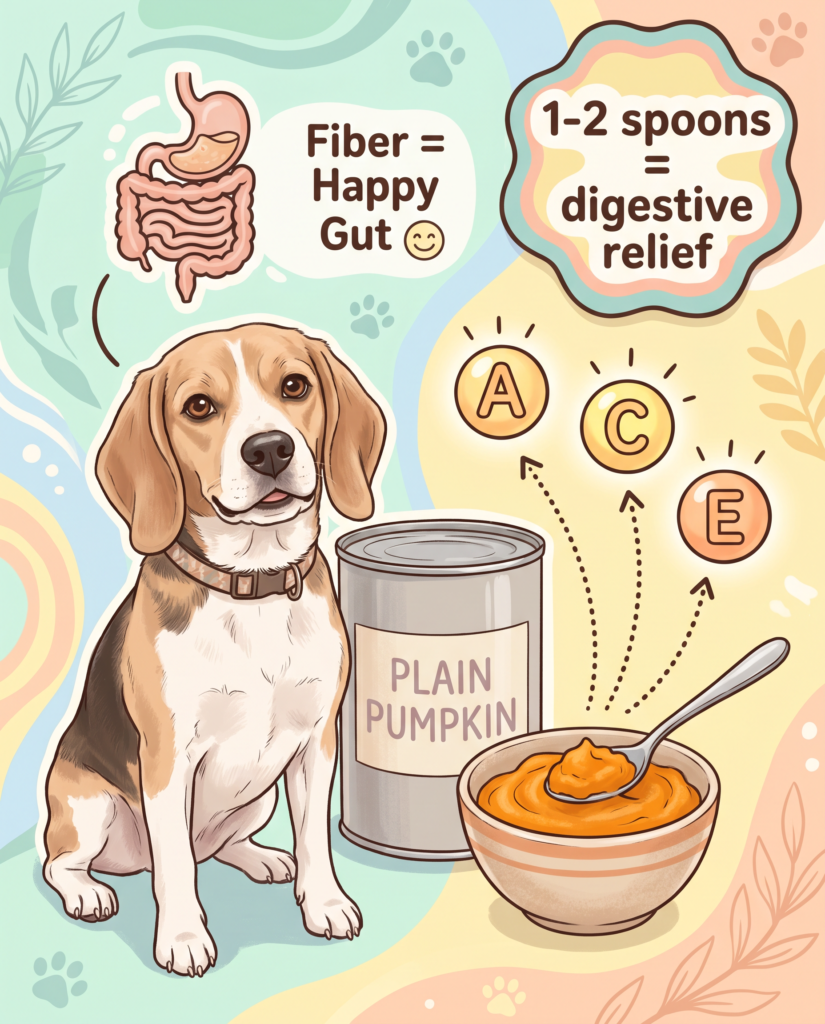
Plain canned pumpkin not pie filling is a fantastic addition to your dog’s diet. It’s high in soluble fiber, which helps regulate digestion and can ease both diarrhea and constipation. It’s also rich in vitamins A, C, and E. A spoonful mixed into your dog’s regular food is all it takes. Many vets recommend it as a first-line home remedy for mild digestive upsets.

5. Eggs
Eggs are a complete protein source loaded with essential amino acids, fatty acids, and vitamins. Fully cooked eggs scrambled or boiled with no added butter or seasoning are safe and nutritious for dogs. Raw eggs are sometimes fed as part of raw diets, but they carry a risk of salmonella and can interfere with biotin absorption over time. Stick to cooked for the safest option.
6. Watermelon
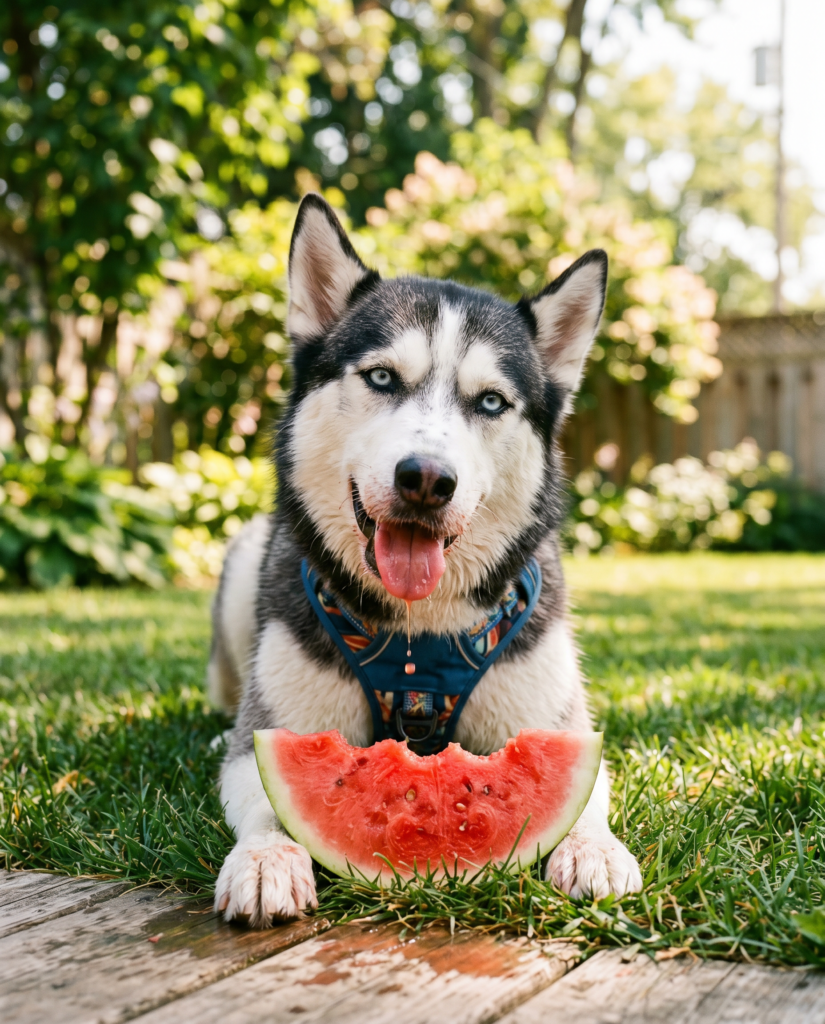
Watermelon is a hydrating, low-calorie treat that dogs love, especially in summer. It’s full of vitamins A, B6, and C, plus lycopene which supports heart health. Always remove the seeds and rind before serving the rind is tough to digest and the seeds can cause intestinal blockage. The flesh itself is perfectly safe and most dogs go crazy for it.
7. Plain Cooked Oatmeal
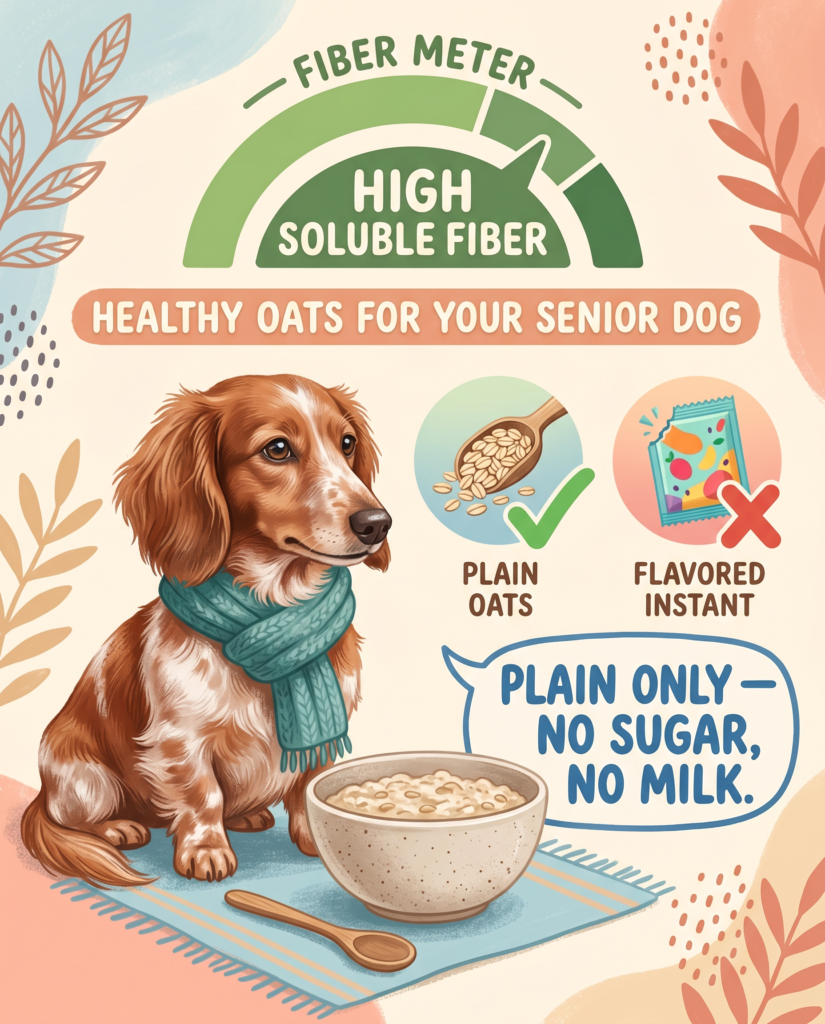
Oatmeal is a great source of soluble fiber and is particularly beneficial for older dogs or those with irregular digestion. It’s also a good alternative grain for dogs that are sensitive to wheat. Always cook it plain with water never with milk, sugar, or flavoring. A small amount mixed into meals a few times a week is plenty. Instant flavored oatmeal packets are not suitable stick to plain rolled oats.
8. Sweet Potato
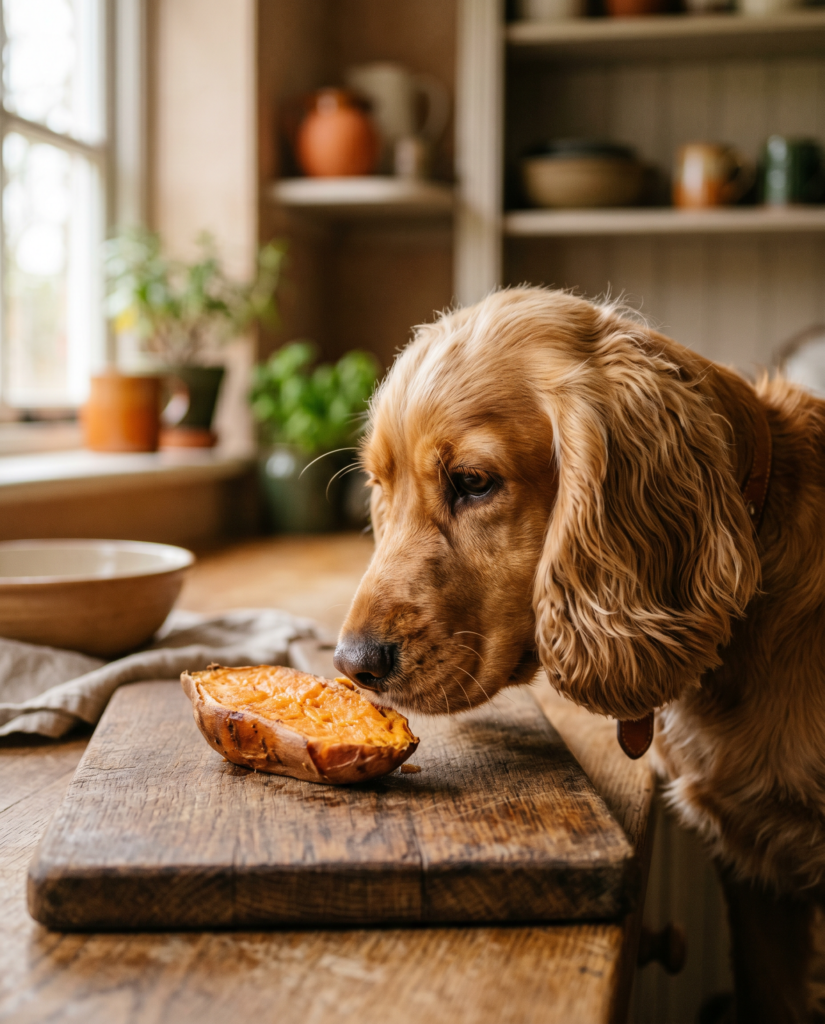
Sweet potato is one of the most nutrient-dense foods you can add to your dog’s bowl. It’s rich in dietary fiber, vitamins B6 and C, beta-carotene, and potassium. Serve it cooked and plain boiled or baked with no added butter, salt, or spices. Many commercial dog treats and foods use sweet potato as a primary ingredient for good reason. It’s also naturally sweet, so most dogs find it very palatable.
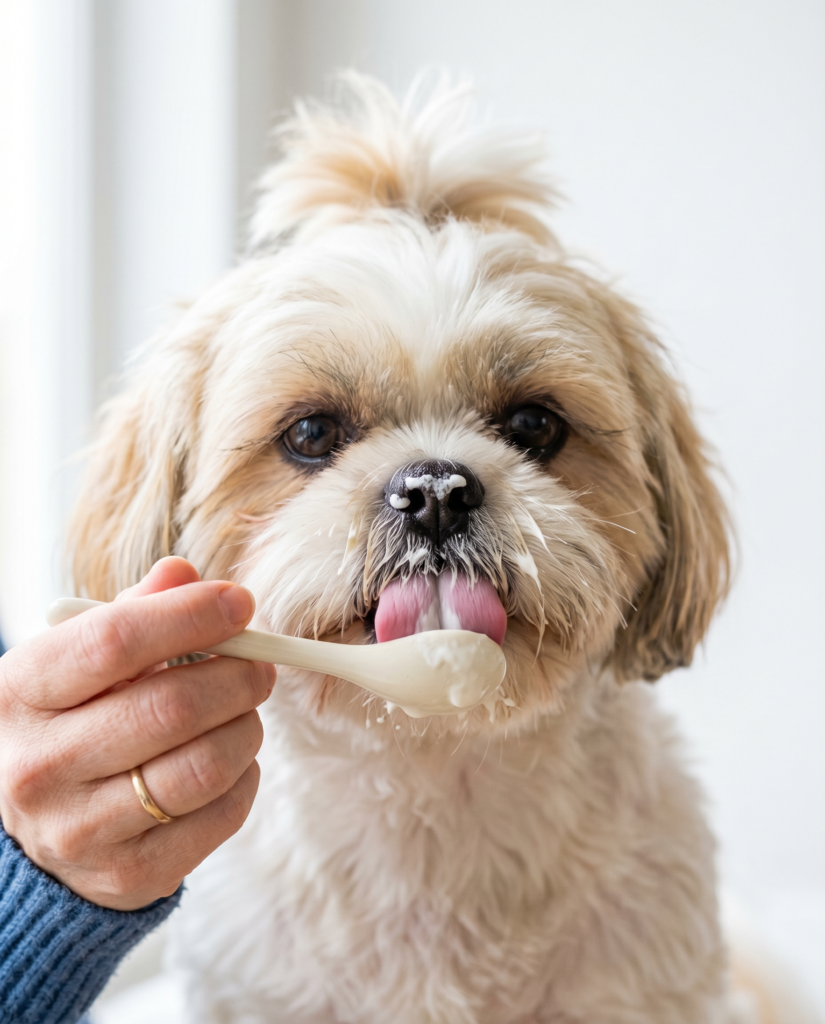
9. Plain Greek Yogurt
Plain, unsweetened Greek yogurt is a good source of calcium, protein, and probiotics that support gut health. Many dogs tolerate it well, but some are lactose intolerant, so start with a small amount and watch for any digestive reaction. Always choose plain varieties with no artificial sweeteners xylitol, commonly found in flavored yogurts, is toxic to dogs. A spoonful as an occasional topper is a simple way to add probiotics to your dog’s diet.
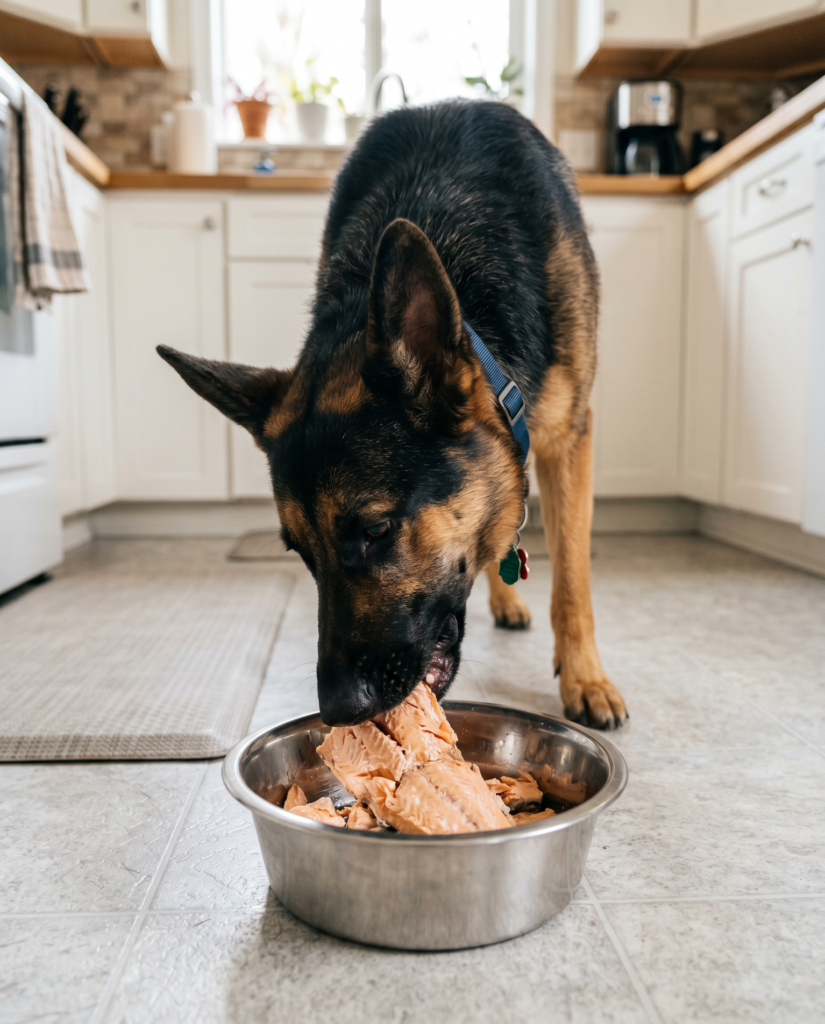
10. Salmon
Cooked salmon is an excellent source of omega-3 fatty acids, which support skin health, coat shine, joint function, and brain health. It’s also high in protein and B vitamins. Always serve it fully cooked raw or undercooked salmon can contain a parasite that causes salmon poisoning disease, which is potentially fatal in dogs. Remove all bones before serving and keep it plain with no seasoning.