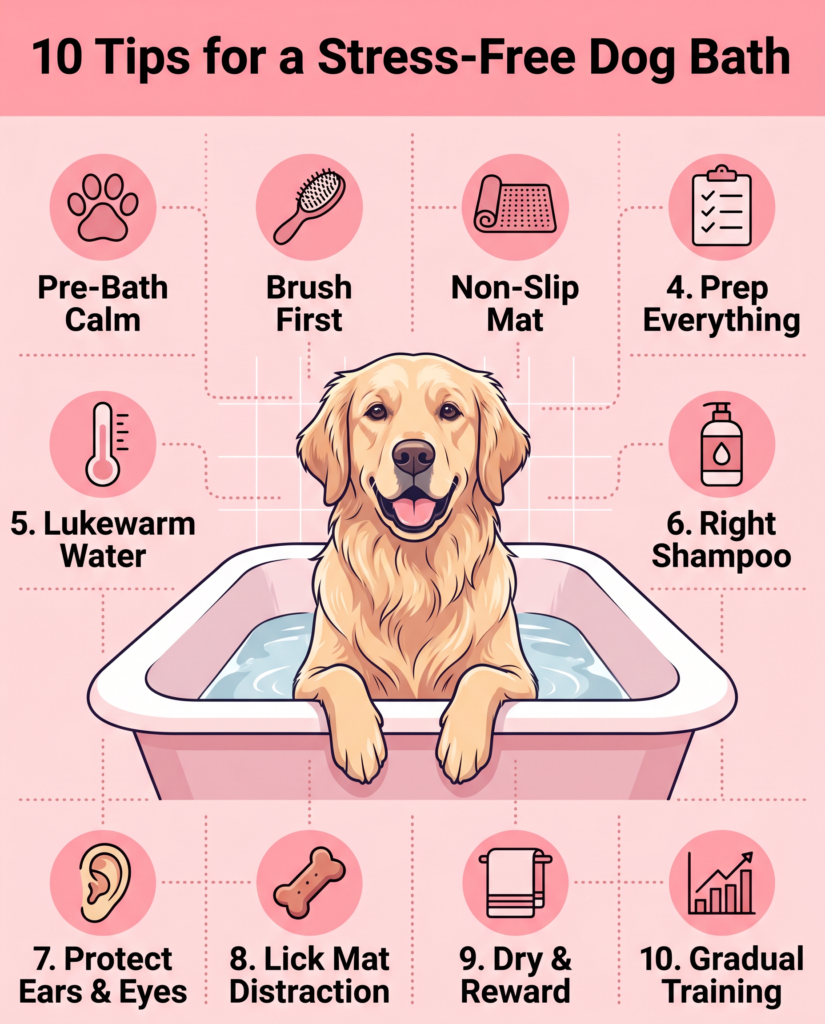
10 Tips to Make Bath Time Less Stressful for Your Dog
Bath time doesn’t have to be a battle. Many dogs dread the tub, but with the right approach, you can turn it into a calm and even enjoyable experience for both of you. These 10 practical tips will help make washing your dog easier, faster, and far less stressful starting from the very next bath.
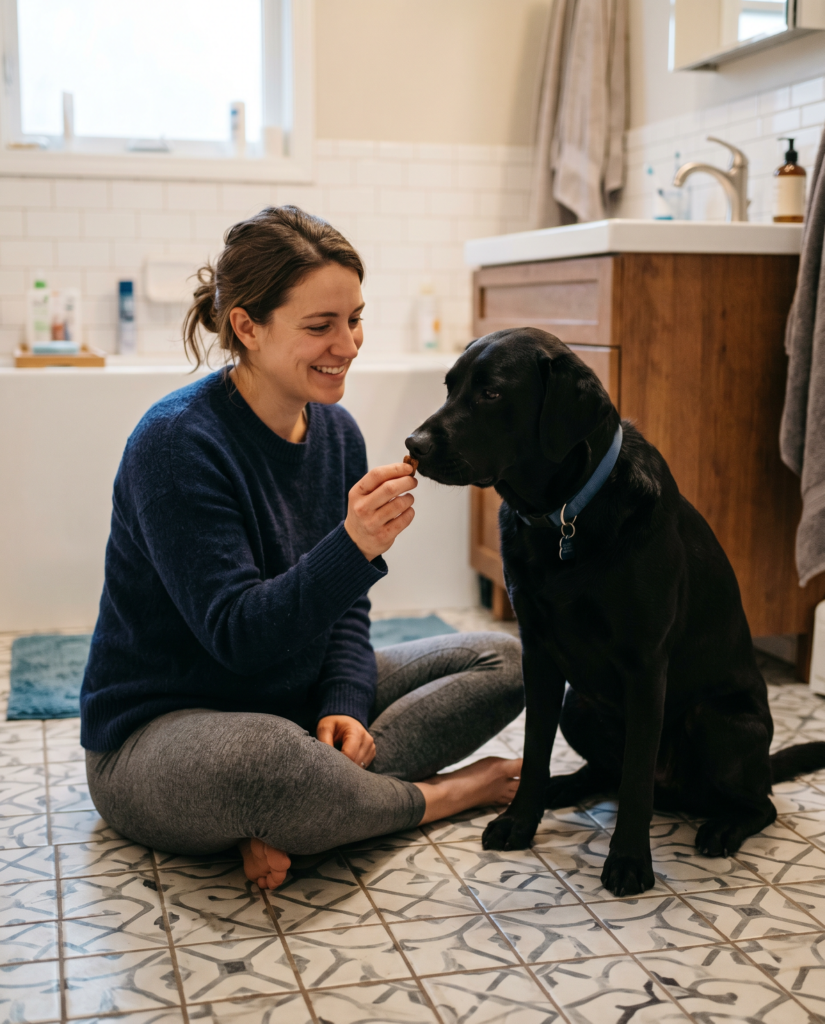
1. Start Before the Water Turns On
The biggest mistake owners make is putting their dog straight into the tub. Instead, let your dog sniff and explore the bathroom while it’s dry and calm. Sit on the floor with them, offer treats, and make the space feel safe before any water is involved. Dogs that are already anxious before the bath even starts will only get worse once it begins. A few minutes of calm pre-bath time makes a huge difference.
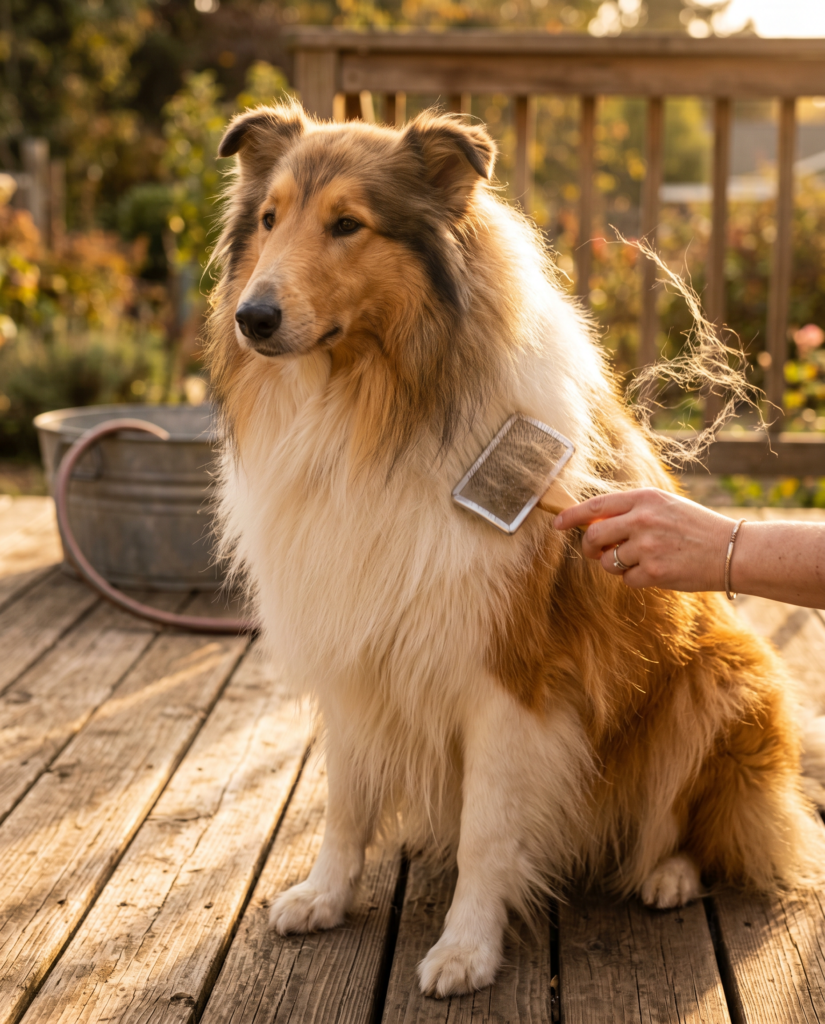
2. Brush Before You Bathe
Always brush your dog thoroughly before getting them wet. Water causes mats and tangles to tighten, making them nearly impossible to remove without cutting. A quick brush-out beforehand removes loose fur, prevents matting, and makes the shampoo work more evenly through the coat. It also gives your dog a chance to relax and get used to being handled before the bath starts.
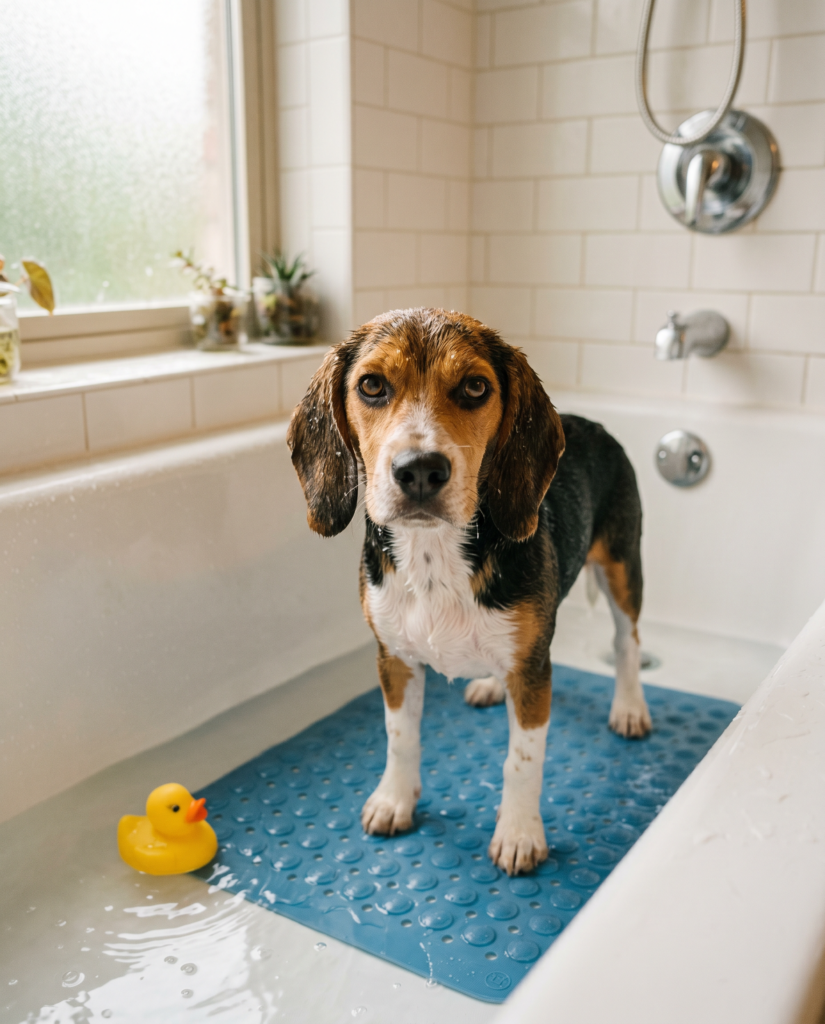
3. Use a Non-Slip Mat
A dog that feels like they’re slipping will panic it’s that simple. Placing a rubber non-slip mat on the bottom of the tub or shower gives your dog something solid to stand on and dramatically reduces anxiety. This one small change can transform a dog’s entire attitude toward bath time. It’s cheap, easy, and one of the most overlooked bath accessories.
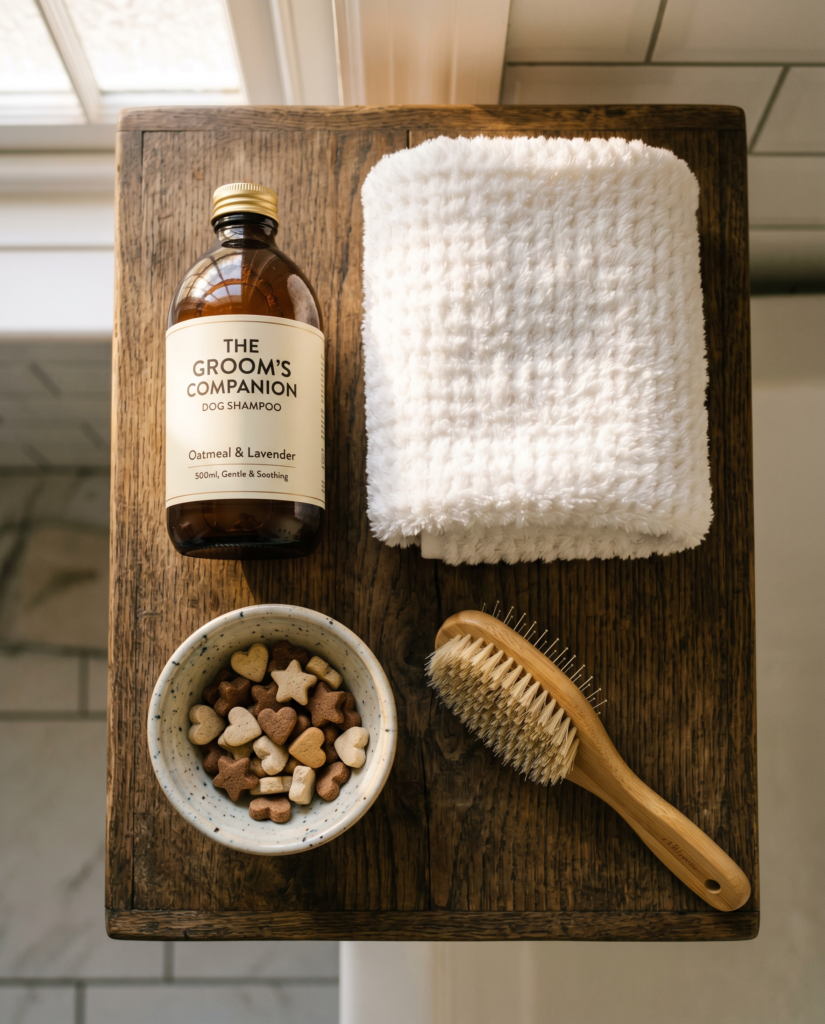
4. Get Everything Ready Before Your Dog Gets In
Have your shampoo, conditioner, towels, and treats all within arm’s reach before your dog steps into the tub. Leaving a wet, anxious dog alone in the tub while you run to grab something is a recipe for disaster. A prepared, organized bath goes faster and feels calmer for everyone involved.
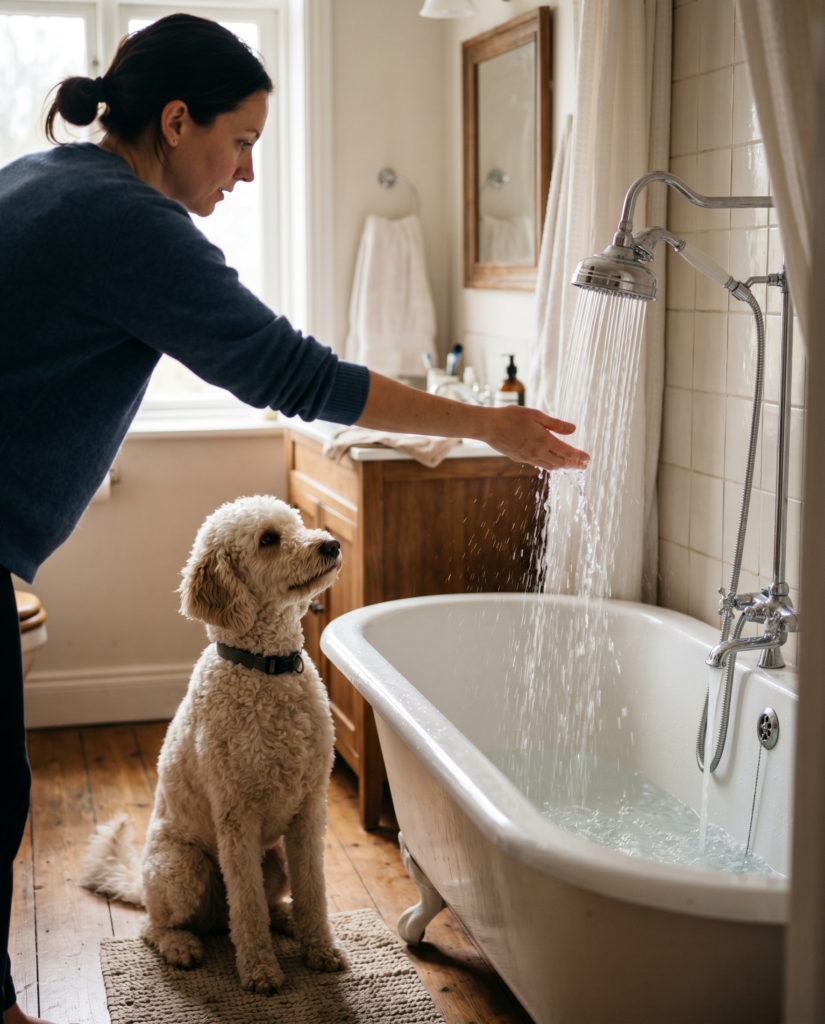
5. Use Lukewarm Water Not Hot, Not Cold
Dogs are sensitive to water temperature, and water that’s too hot or too cold adds unnecessary stress to the experience. Lukewarm water — similar to what you’d use for a baby is the ideal temperature for most dogs. Test the water on your wrist before putting your dog in, and keep the pressure gentle rather than blasting them with a strong stream.
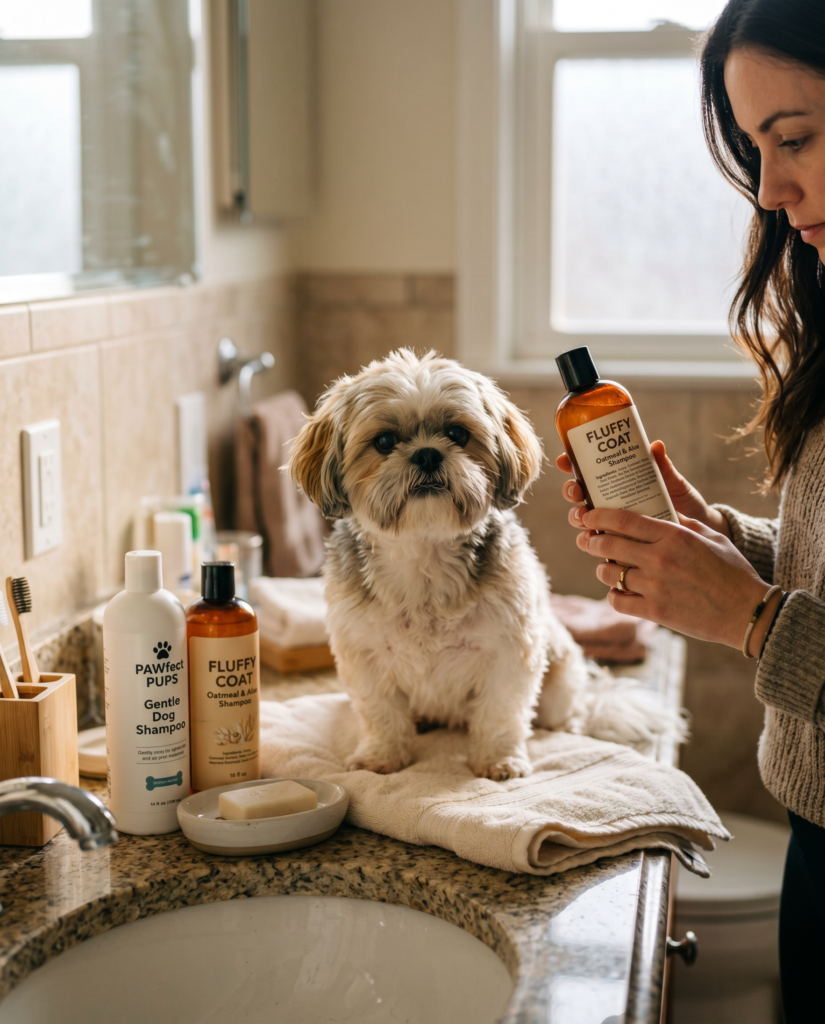
6. Choose the Right Shampoo
Using the wrong shampoo can make bath time uncomfortable through skin irritation, stinging eyes, or an unpleasant smell your dog doesn’t like. Always use a dog-specific shampoo suited to your dog’s coat type and skin condition. For anxious dogs, look for shampoos with calming ingredients like lavender or chamomile. Avoid anything with harsh sulfates, artificial fragrances, or ingredients that could dry out the skin.
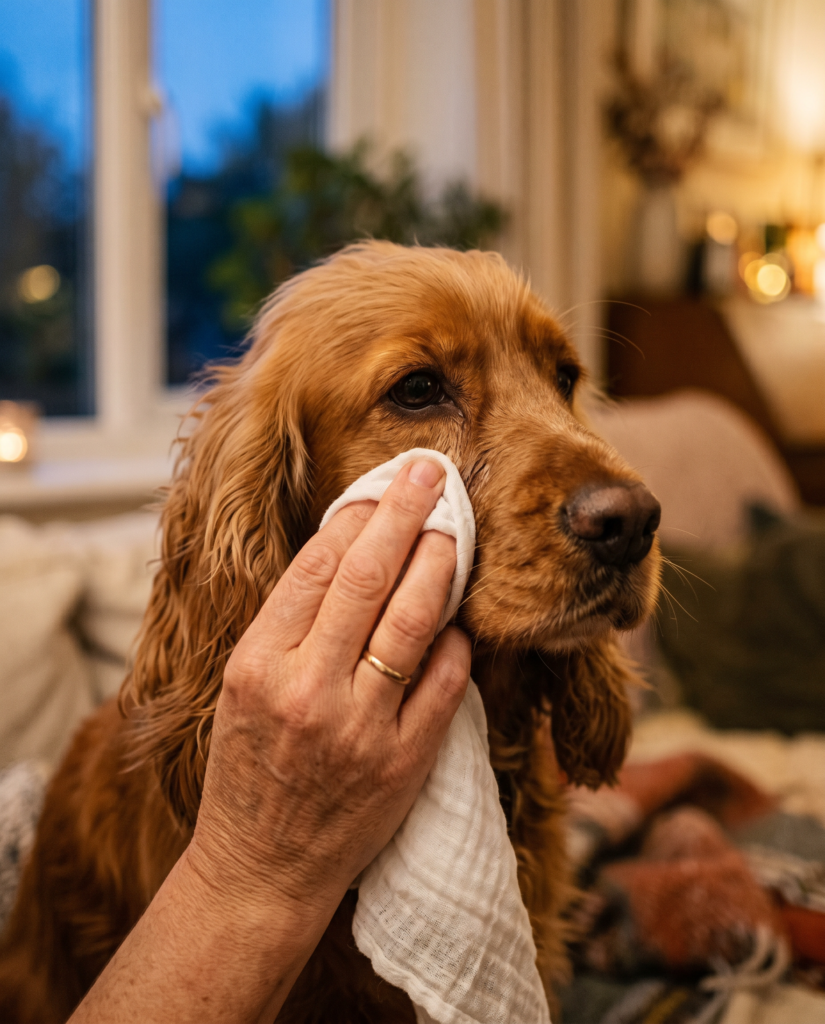
7. Keep Water Out of Ears and Eyes
Water in the ears is uncomfortable and can lead to infection, while water in the eyes is startling and painful. Use a damp cloth to gently clean your dog’s face rather than pouring water over their head. Place a small cotton ball loosely at the entrance of each ear canal during the bath to prevent water from getting in. This simple step prevents a lot of the head-shaking and distress dogs show during baths.
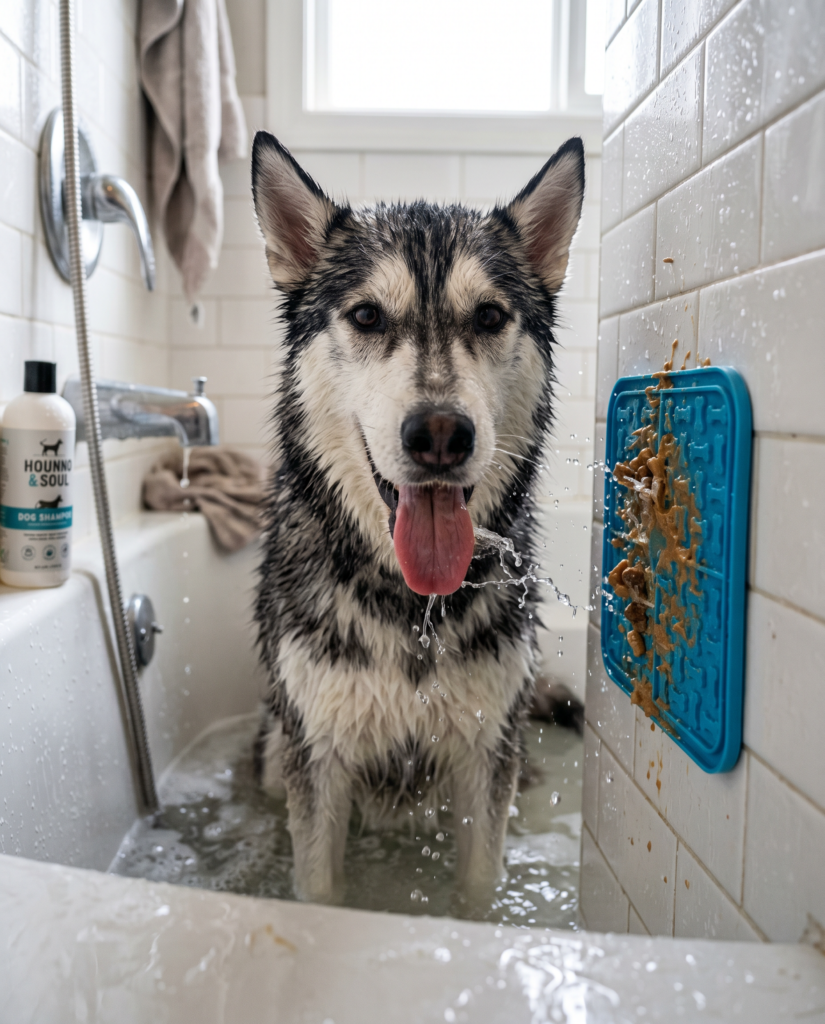
8. Use a Lick Mat to Distract Them
Stick a lick mat coated in peanut butter, cream cheese, or wet food to the tub wall at nose height. This gives your dog something to focus on and enjoy throughout the bath, turning a stressful experience into a treat-filled one. Lick mats are one of the most effective tools for anxious bathers and work surprisingly well even for dogs that normally hate the tub.
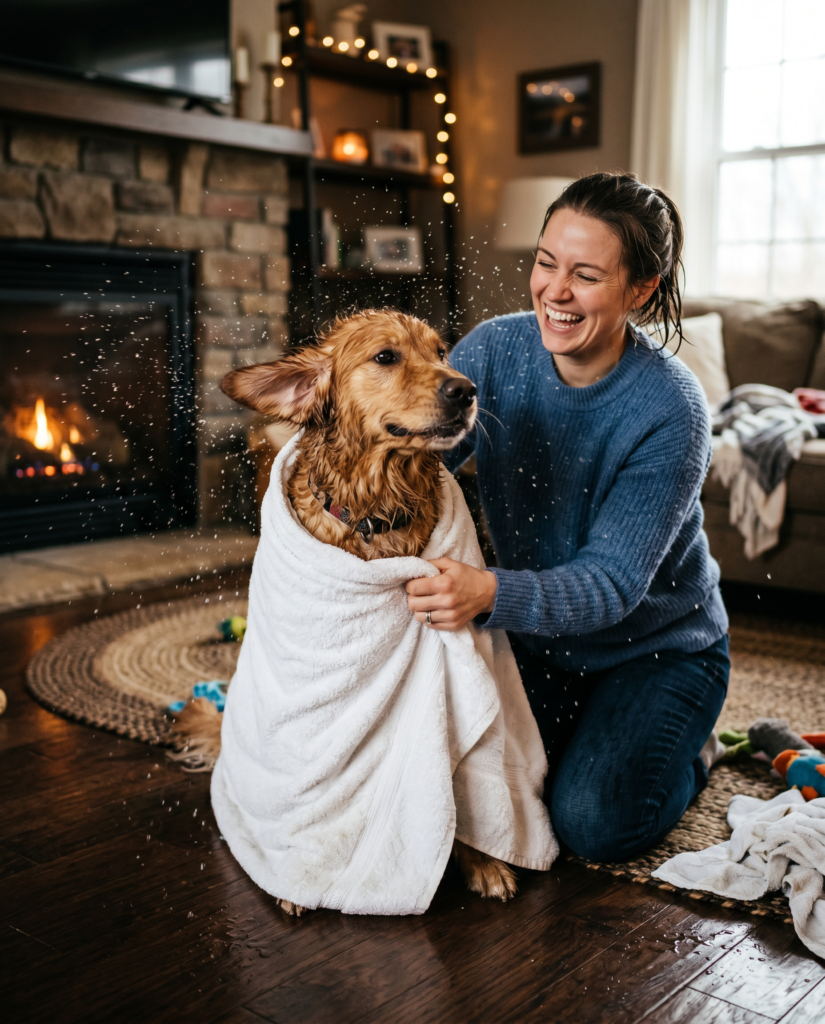
9. Dry Thoroughly and Reward Generously
How you end the bath matters just as much as how you start it. Dry your dog thoroughly with a warm towel or a low-heat dog dryer if they tolerate it and follow up with enthusiastic praise and their favorite treat. The post-bath reward creates a positive association that carries over into the next bath. Never end the session abruptly take a moment to make your dog feel celebrated for getting through it.
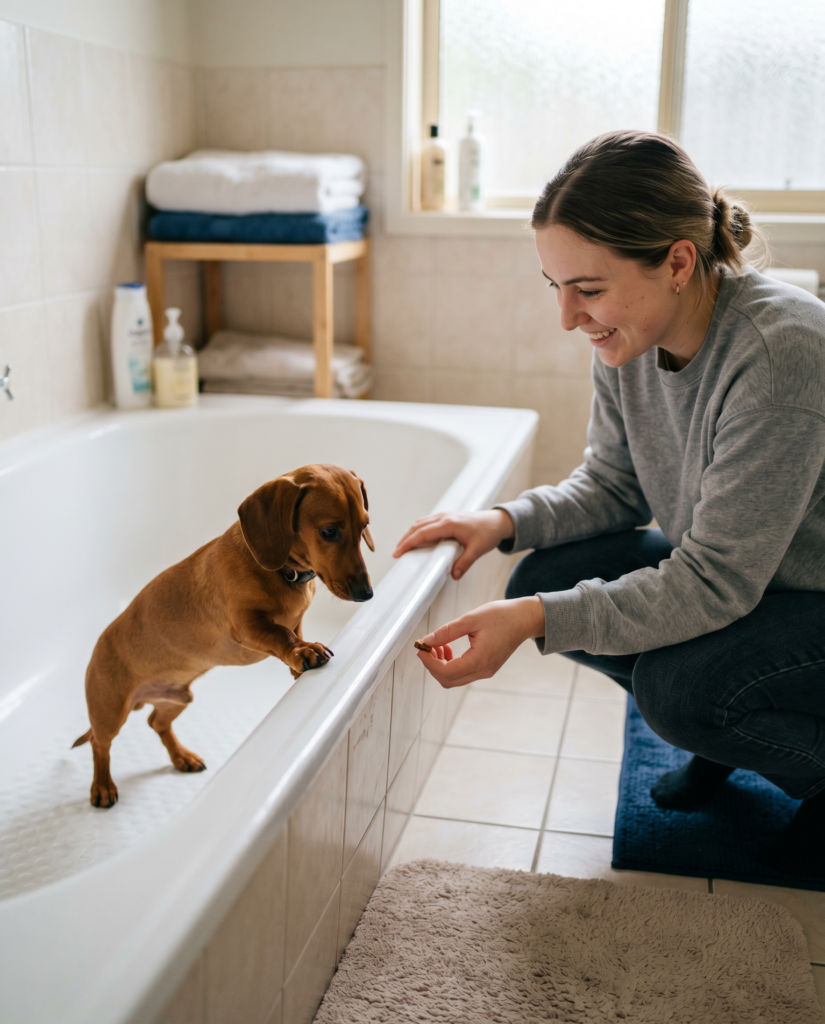
10. Build Up Gradually for Anxious Dogs
If your dog has a strong fear of baths, don’t try to fix it in one session. Start by rewarding them just for entering the bathroom. Next session, reward them for standing in the dry tub. Gradually introduce a trickle of water, then a full rinse over several sessions. This desensitization process takes patience but produces lasting results a dog that is genuinely comfortable with bath time rather than just tolerating it.