10 Secrets Professional Dog Groomers Never Tell You
Professional groomers spend years learning techniques that make the difference between a good groom and a great one. Most of these secrets are surprisingly simple but they’re rarely shared because, well, that’s what keeps clients coming back. Here are 10 insider tips straight from the grooming table that will completely change how you care for your dog at home.
1. They Always Brush Before the Bath Without Exception
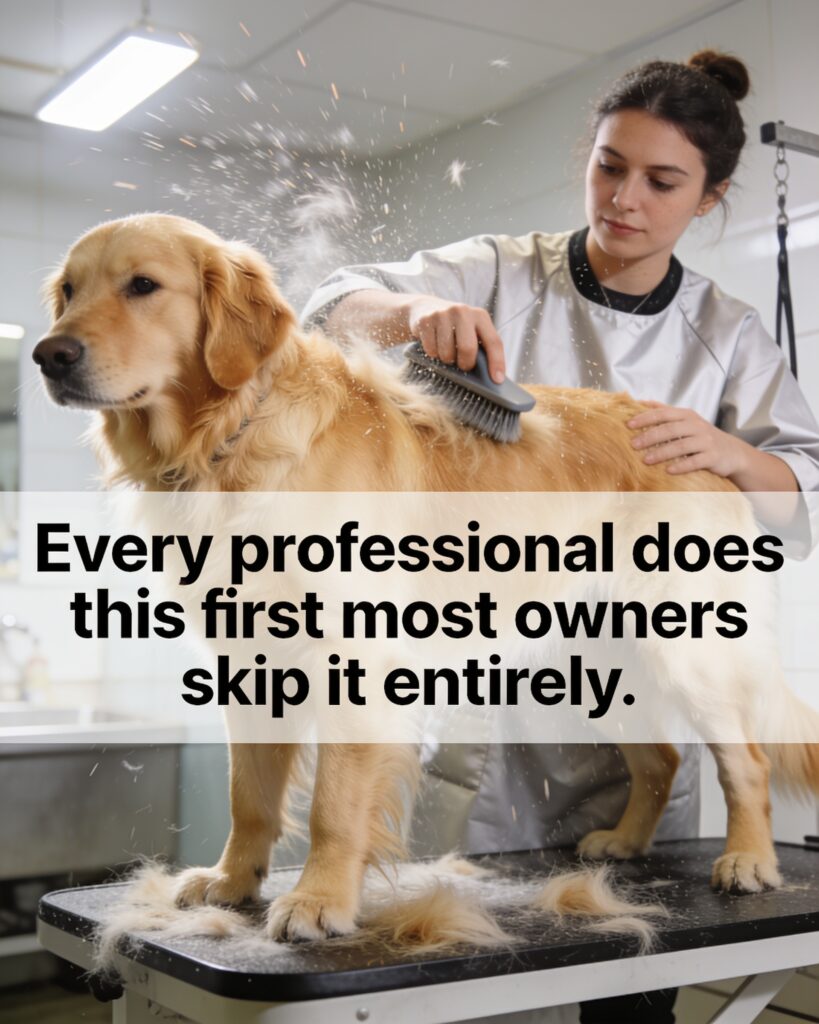
Every professional groomer brushes the dog thoroughly before a single drop of water touches them. Water causes tangles to tighten and mats to lock permanently into the coat, making them nearly impossible to remove without cutting. What might have taken five minutes to brush out dry becomes a serious problem once wet. This one step, done consistently, prevents more grooming problems than almost anything else.
2. The Drying Stage Is Where the Real Grooming Happens
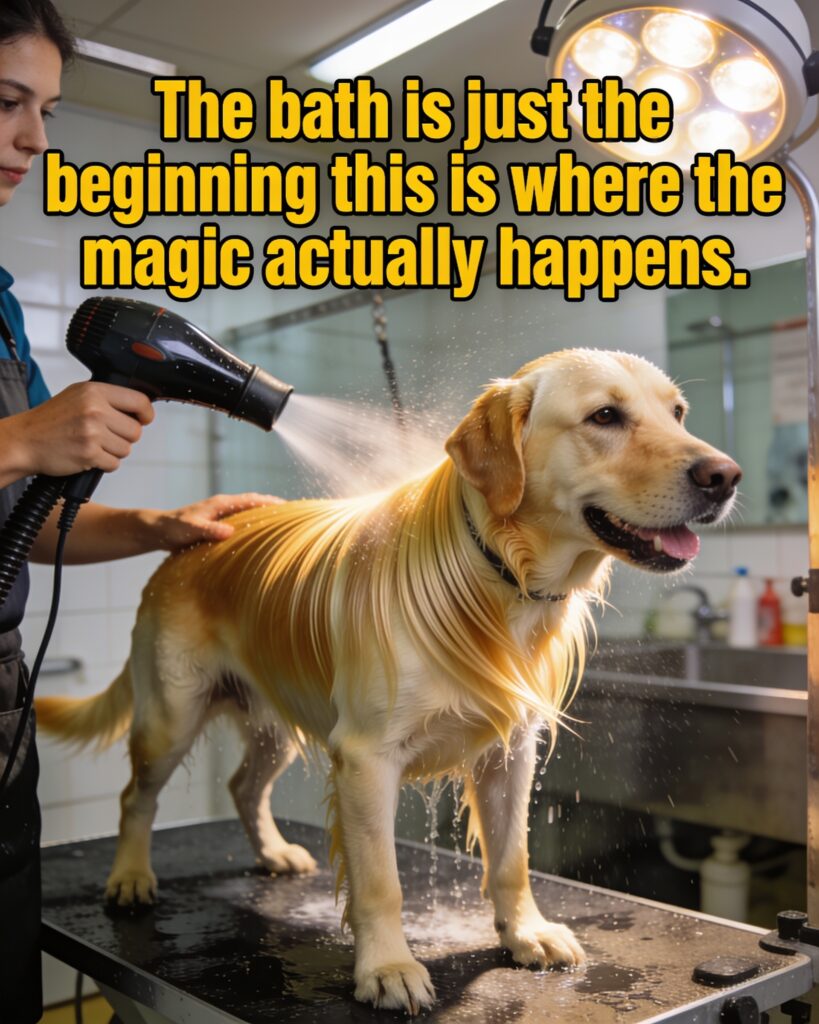
Most owners think bathing is the main event. Groomers know it’s actually the drying. Using a force dryer or high-velocity dryer while brushing the coat simultaneously straightens the fur, removes remaining loose hair, prevents hot spots, and creates that smooth, polished finish you see after a professional groom. Air drying leaves the coat wavy, dull, and prone to skin issues underneath. The dryer is the secret weapon most home groomers don’t own.
3. They Use Conditioner Every Single Time
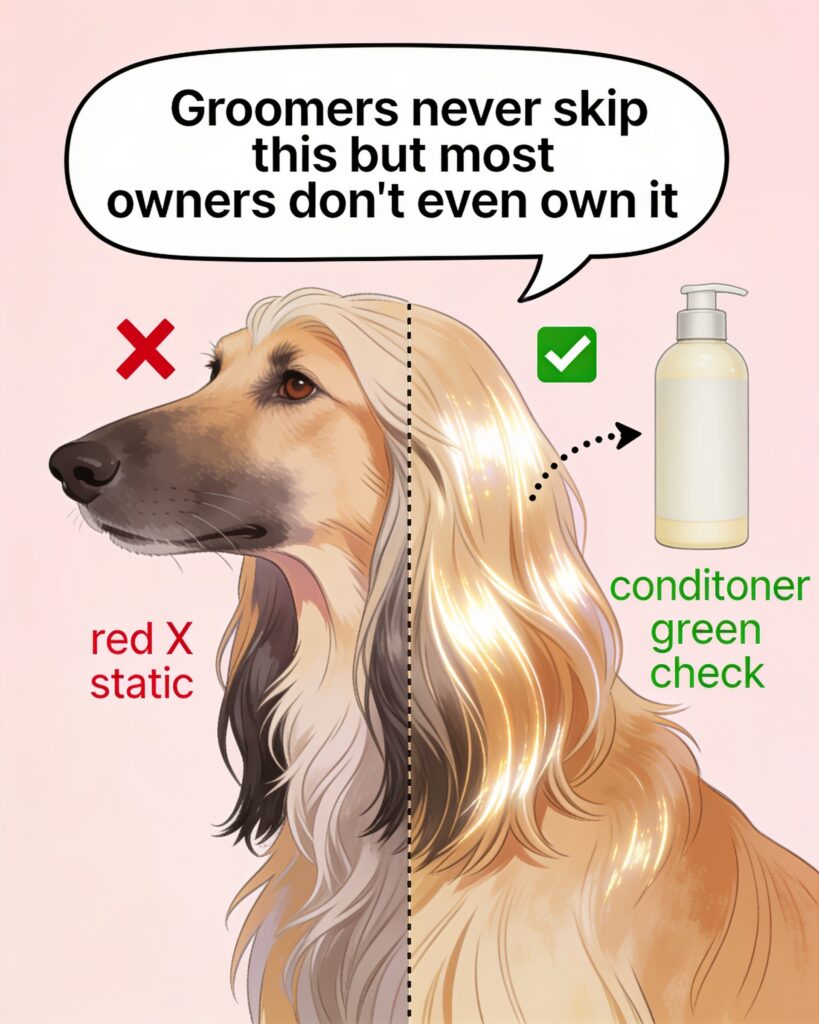
Professional groomers almost never skip conditioner, even on short-coated breeds. Conditioner reduces static, adds moisture, makes the coat easier to brush, and reduces breakage during drying. For long-coated breeds, a leave-in detangling spray between appointments is equally important. A conditioned coat doesn’t just look better it’s genuinely healthier and easier to maintain between grooms.
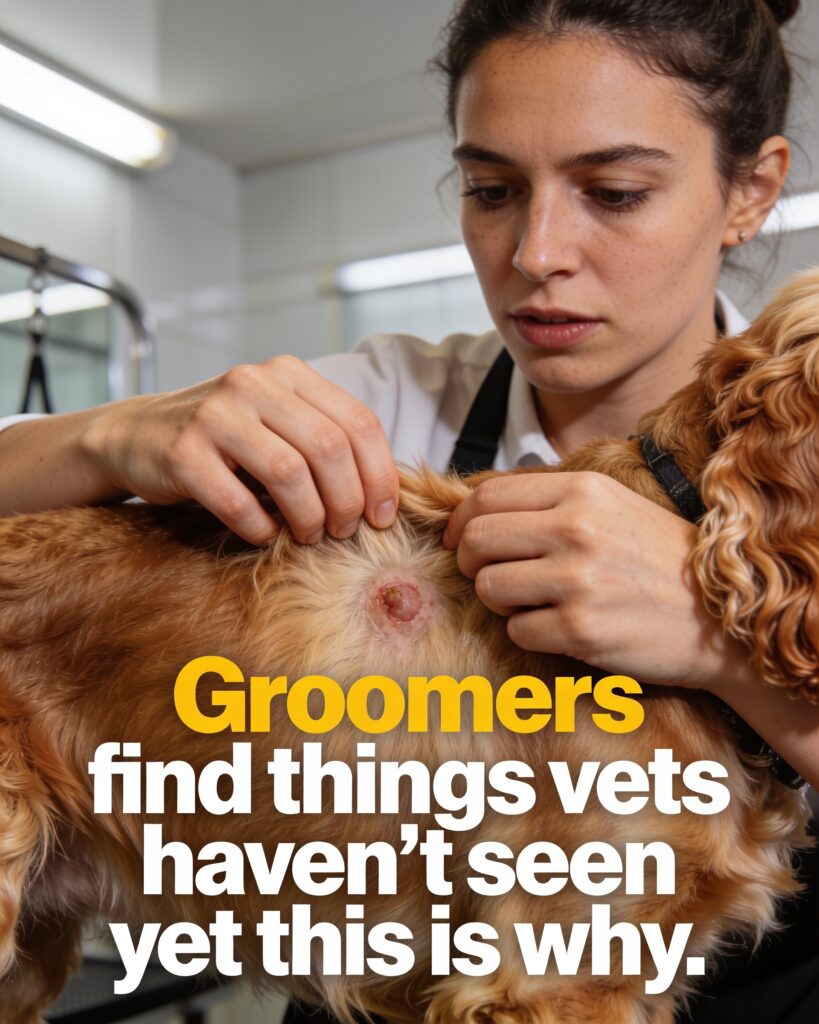
4. They Check the Dog’s Entire Body During Every Groom
A good groomer isn’t just making the dog look nice they’re doing a full body assessment. Lumps, skin infections, ear problems, overgrown dewclaws, anal gland issues, and early signs of parasites are all things groomers regularly find and flag for owners. Many health problems have been caught by groomers before the vet ever saw them. This is why experienced groomers often build closer relationships with regular clients than people expect.
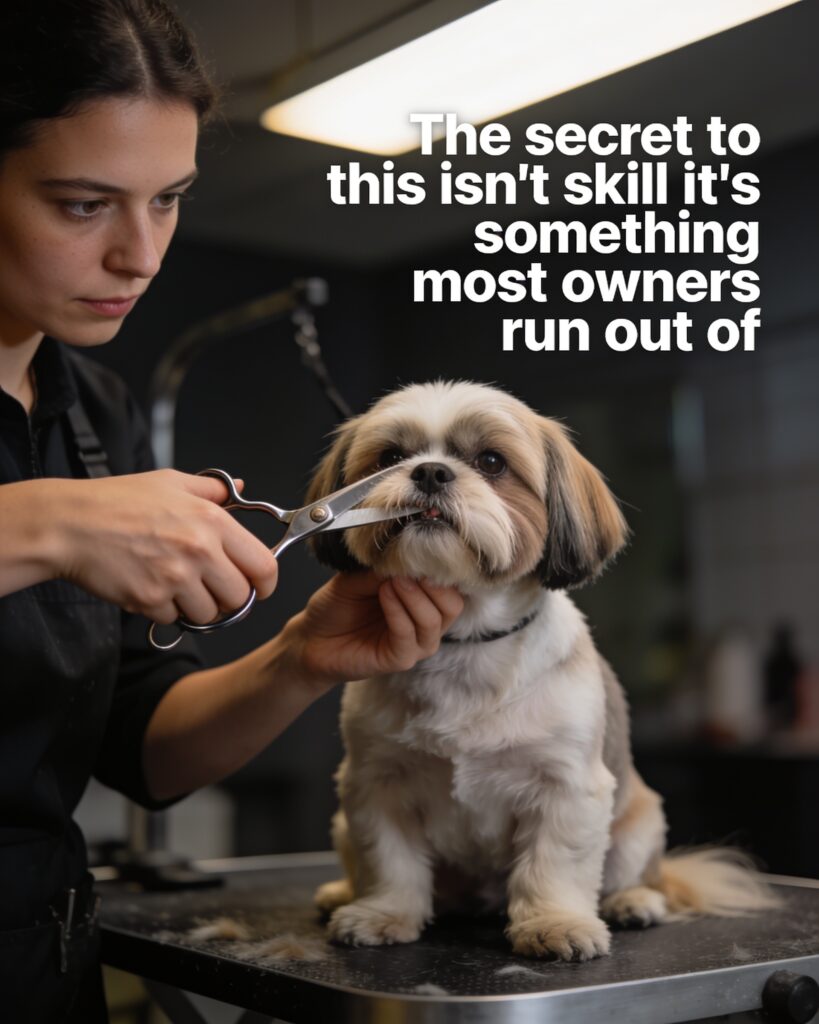
5. The Secret to a Clean Face Trim Is Patience, Not Skill
Owners who try to trim around the face at home usually rush because the dog is squirming. Groomers know the secret: wait. Let the dog settle. Work in short bursts with breaks in between. Use curved scissors with rounded tips and always cut in the direction of hair growth. The face trim that looks impossibly precise in photos is almost always the result of patience and multiple small passes rather than one confident cut.
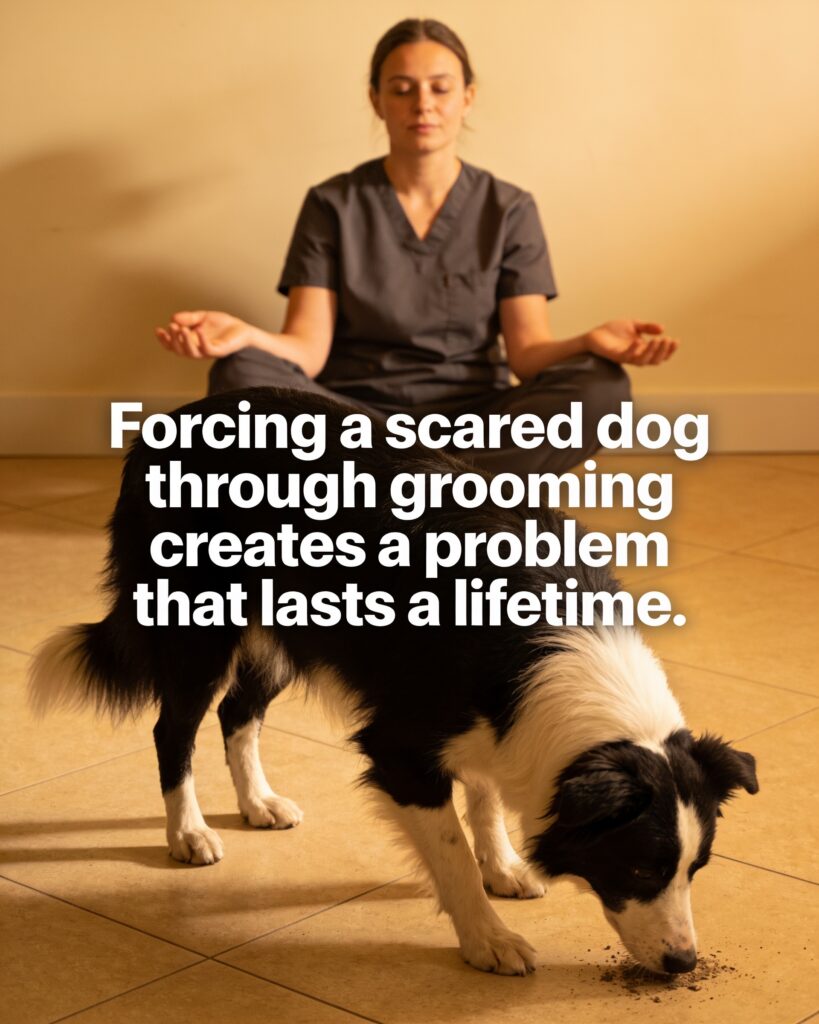
6. They Never Restrain a Panicking Dog
This surprises most people. Forcing a terrified dog through a grooming session doesn’t desensitize them it makes the fear worse and more entrenched with every session. Professional groomers who are good at their job know when to stop, take a break, try a different approach, or recommend a vet visit for anxiety medication before the next appointment. Pushing through panic creates a dog that becomes progressively harder to groom for life.
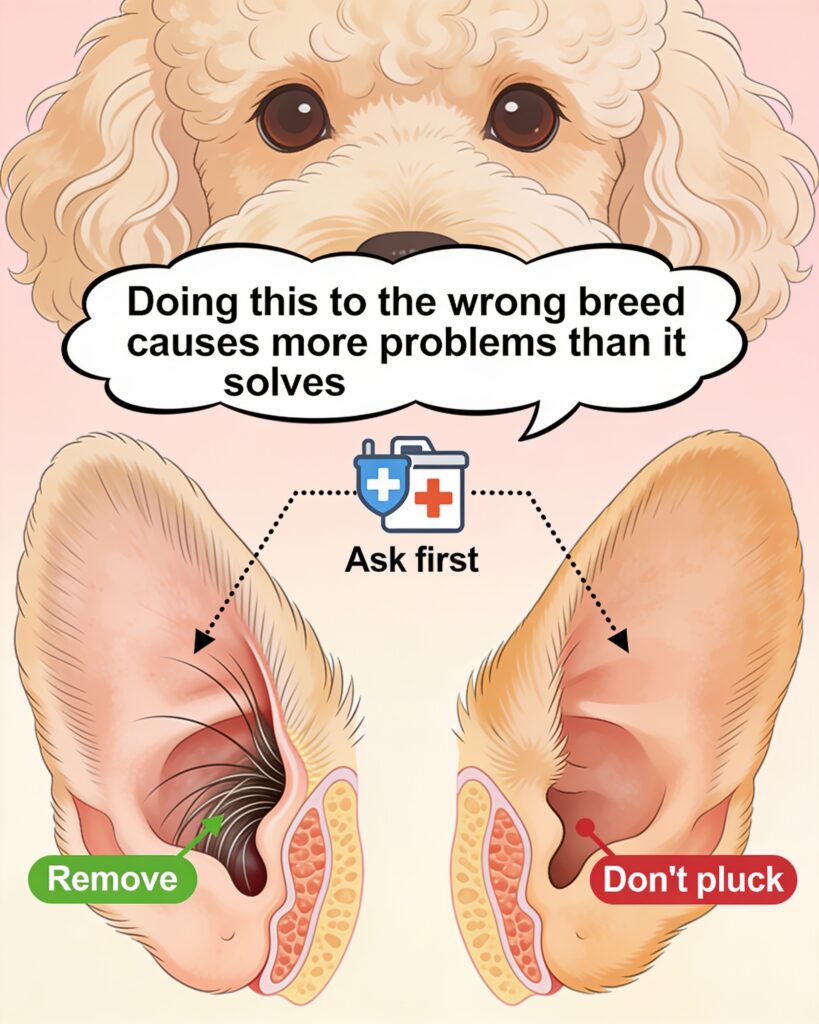
7. Ear Hair Removal Is Breed-Specific — Not Universal
Many owners assume all dogs need ear hair plucked they don’t. Breeds like Poodles and Schnauzers grow hair inside the ear canal that can trap moisture and debris, which some groomers remove to reduce infection risk. But for most breeds, plucking ear hair is unnecessary and can actually cause inflammation. Ask your vet or groomer specifically whether your dog’s breed benefits from ear hair removal before doing it at home.
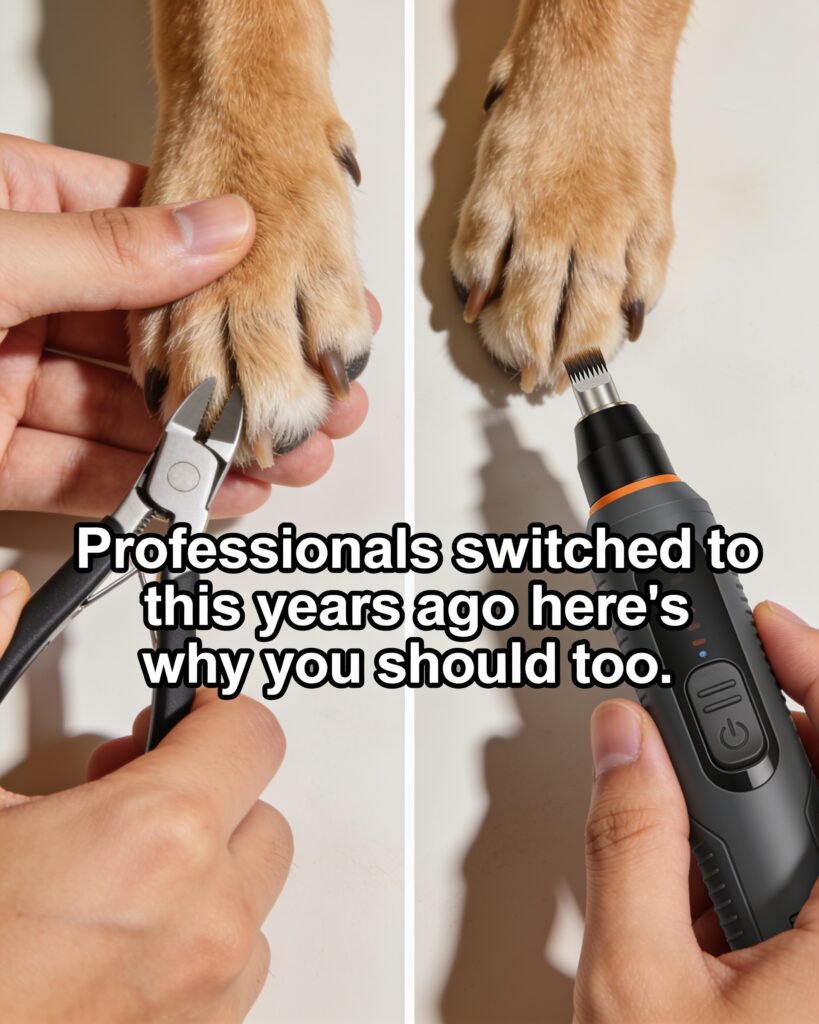
8. The Nail Grinder Gives a Better Finish Than Clippers
Most home owners use clippers. Most professionals prefer grinders for the finish they produce smoother edges, less risk of splitting, and the ability to get closer to the quick gradually without the sudden pressure of a clipper blade. The sound takes some dogs longer to accept, but with gradual introduction using treats and short sessions, most dogs tolerate and some actually prefer the vibration of a grinder over the sudden snap of clippers.
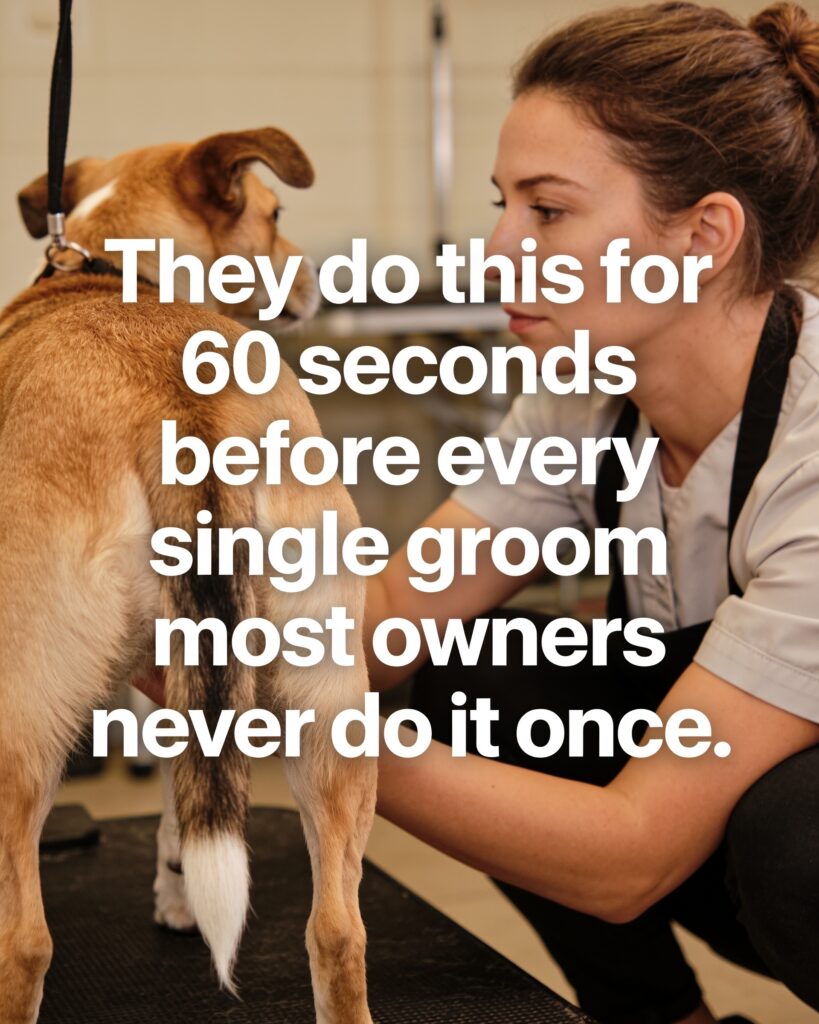
9. They Read the Dog’s Mood Before Touching Them
Before a single brush stroke, experienced groomers spend time reading the dog’s body language. Is the tail loose or tucked? Are the ears relaxed or pinned? Is the dog leaning in or pulling away? This assessment determines the entire approach how quickly to move, which areas to tackle first, and whether the dog needs more time to settle before starting. Owners who rush straight into grooming without this read miss the signals that would make the whole session easier.
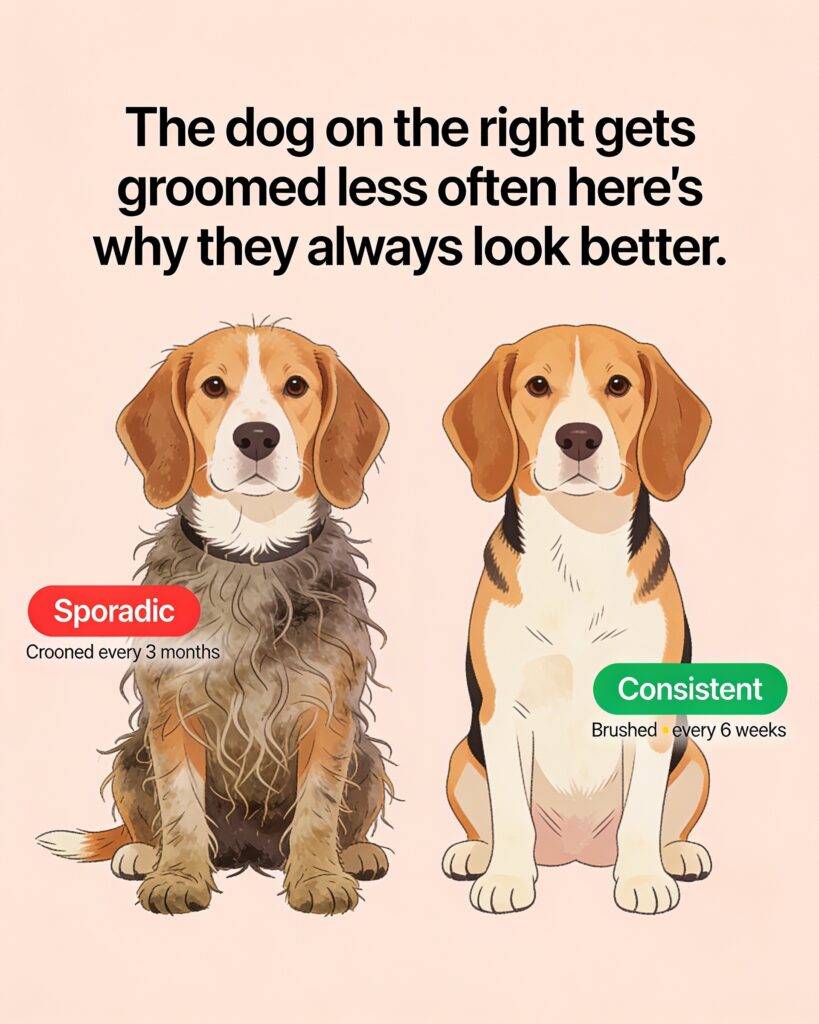
10. Consistency Matters More Than Frequency
A dog groomed every six weeks consistently will be infinitely easier to handle than one groomed every three months sporadically. Regular grooming even basic brushing at home between appointments keeps the coat manageable, keeps the dog comfortable with handling, and prevents the kind of matting that requires painful dematting or full shave-downs. Groomers dread the dog that comes in twice a year in terrible condition. The owners who make their groomer’s job easiest are the ones who do a little, consistently, at home.