7 Things Your Vet Wishes Every Dog Owner Knew
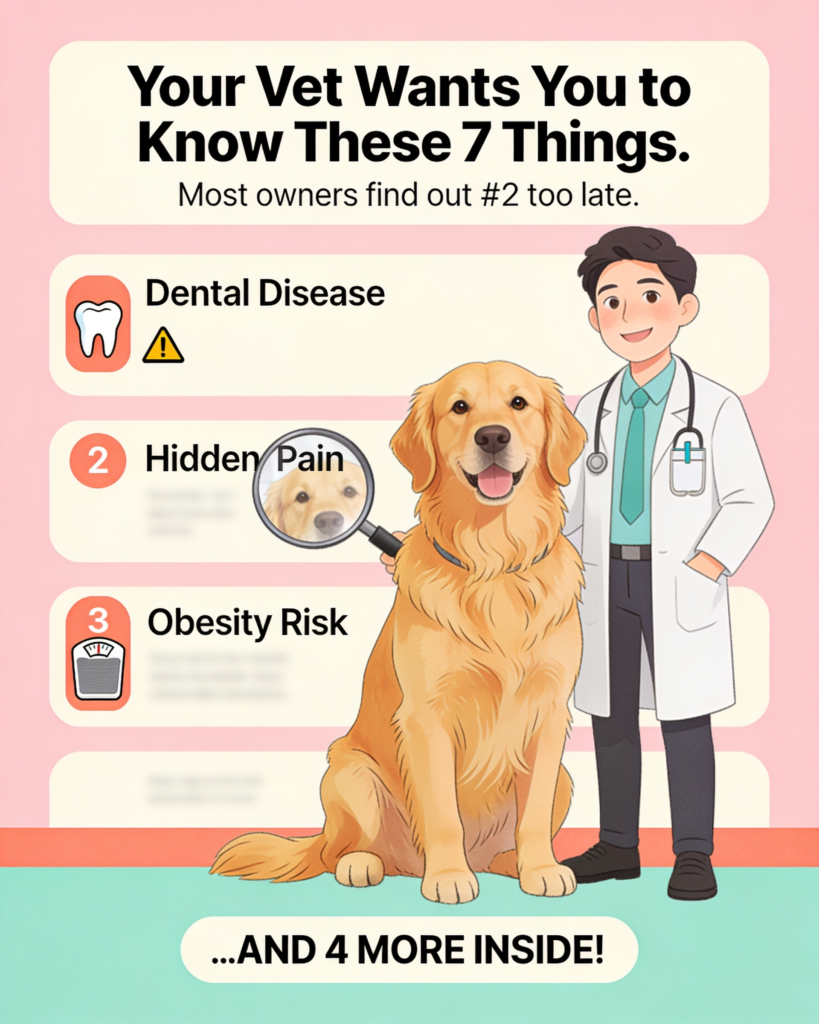
Vets see the same preventable problems walk through their doors every single day. Not because dog owners don’t care but because nobody told them. These are the 7 things veterinarians wish they could tell every owner at the very first appointment, before the problems start.
1. Dental Disease Is the Most Underestimated Health Problem in Dogs
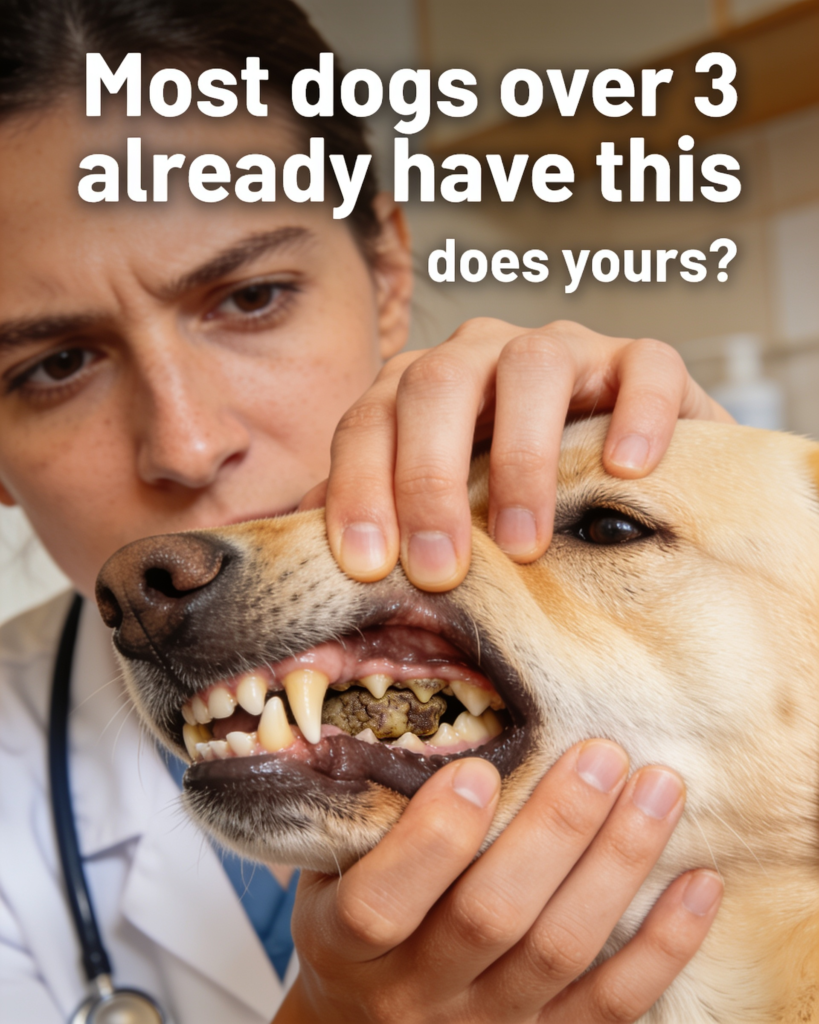
By age three, most dogs already have some form of periodontal disease and most owners have no idea. The mouth isn’t isolated from the rest of the body. Bacteria from infected gums enter the bloodstream and quietly damage the heart, kidneys, and liver over years. Bad breath isn’t just unpleasant it’s a warning. Daily brushing with dog-specific toothpaste is the gold standard, but even three times a week makes a meaningful difference. Annual professional dental cleanings catch what home care misses.
2. Your Dog Is Very Good at Hiding Pain
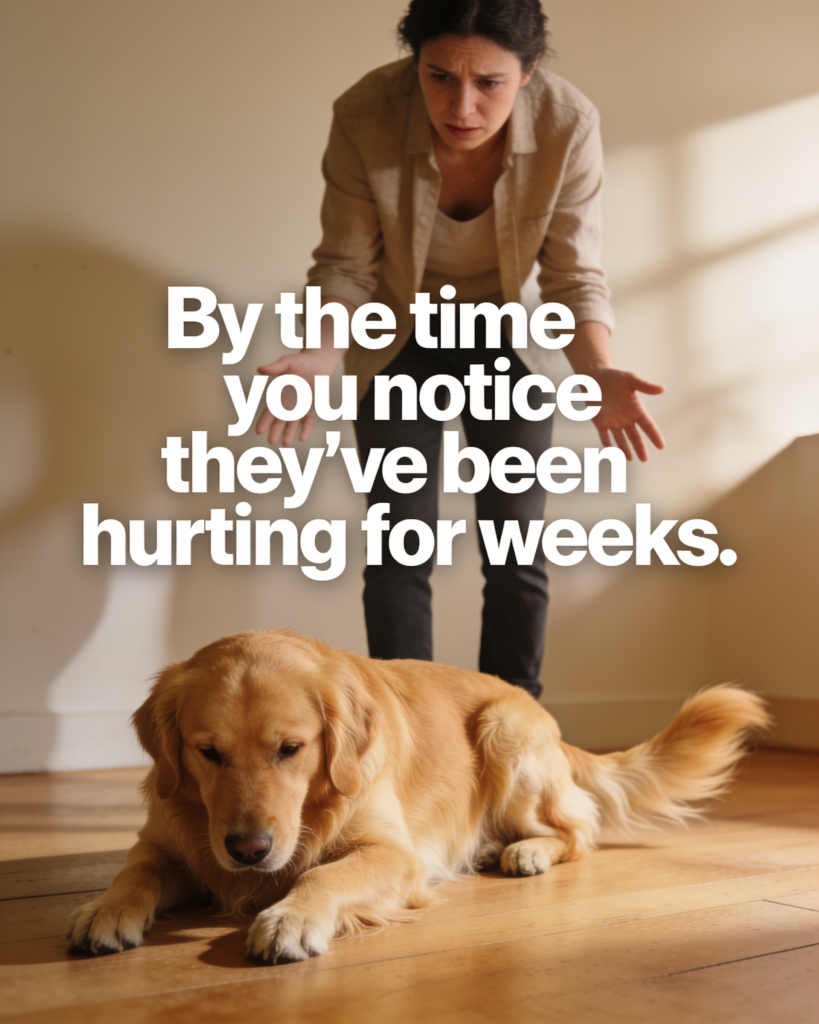
This one surprises almost every owner. Dogs are instinctively wired to conceal weakness it’s a survival mechanism inherited from their wild ancestors. By the time a dog is limping, whimpering, or refusing to move, the pain has often been present for weeks or months. The earlier signs are subtle: slight reluctance to jump, a change in how they get up from lying down, less enthusiasm on walks, or a shift in temperament. If something feels off, trust that instinct and get it checked.
3. Obesity Is Shortening Your Dog’s Life
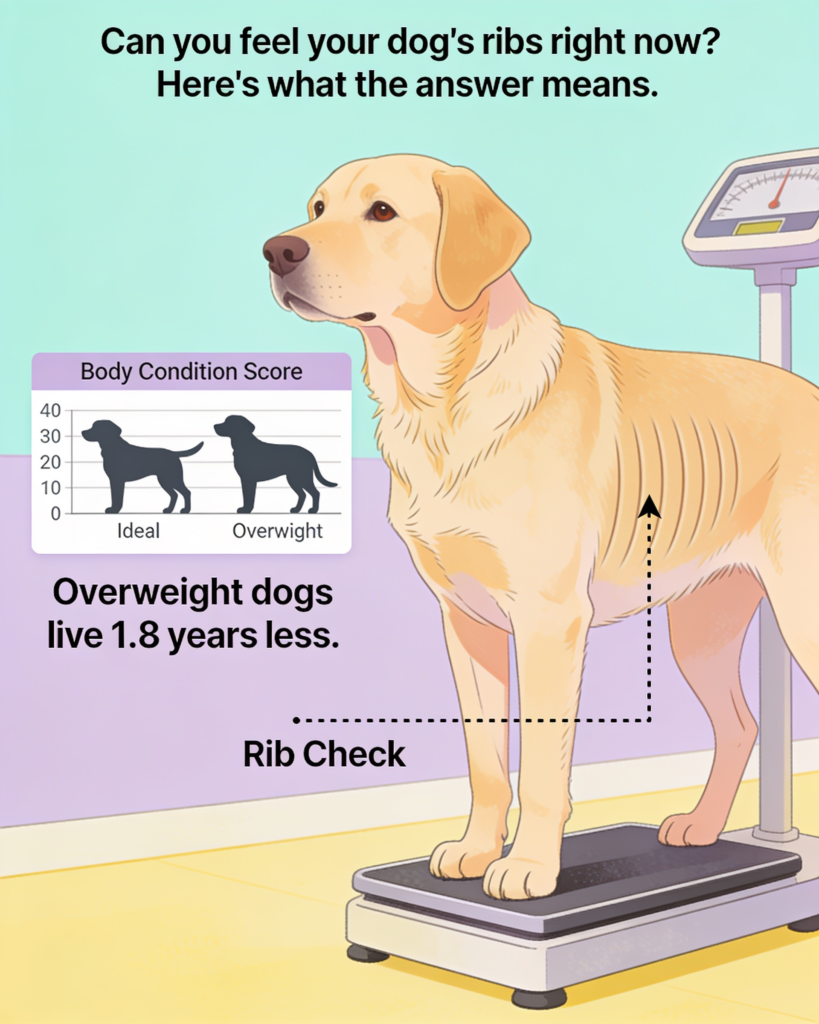
Overweight dogs live measurably shorter lives on average 1.8 years less than dogs kept at a healthy weight. Obesity increases the risk of diabetes, joint disease, heart problems, and cancer. The tricky part is that owners often don’t recognize their dog is overweight because the extra weight develops so gradually. You should be able to feel your dog’s ribs easily without pressing hard. If you can’t, your dog is likely overweight and a conversation with your vet about portion control is overdue.
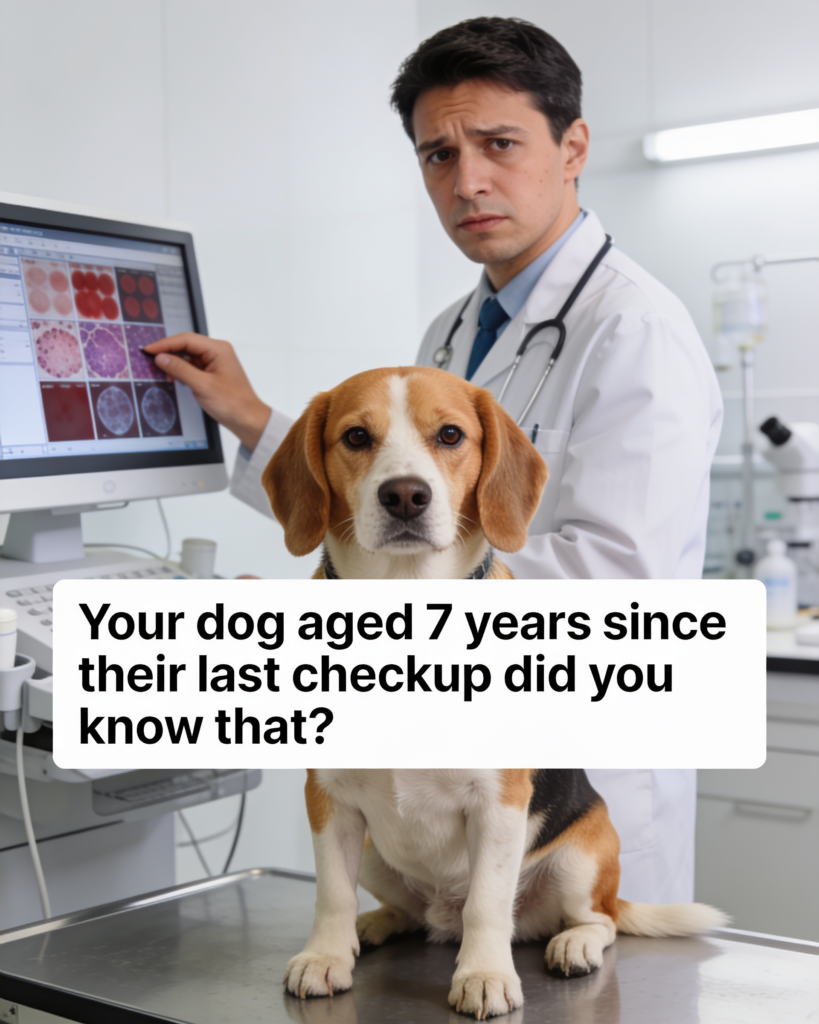
4. Annual Checkups Matter Even When Your Dog Seems Perfectly Healthy
Dogs age far faster than humans. One human year is roughly equivalent to seven dog years in terms of health change. A dog that seemed perfectly fine at last year’s checkup can develop a significant health issue within twelve months. Annual bloodwork, physical exams, and parasite checks catch problems in early stages when they’re far more treatable and far less expensive. Skipping checkups because the dog “seems fine” is one of the costliest assumptions an owner can make.
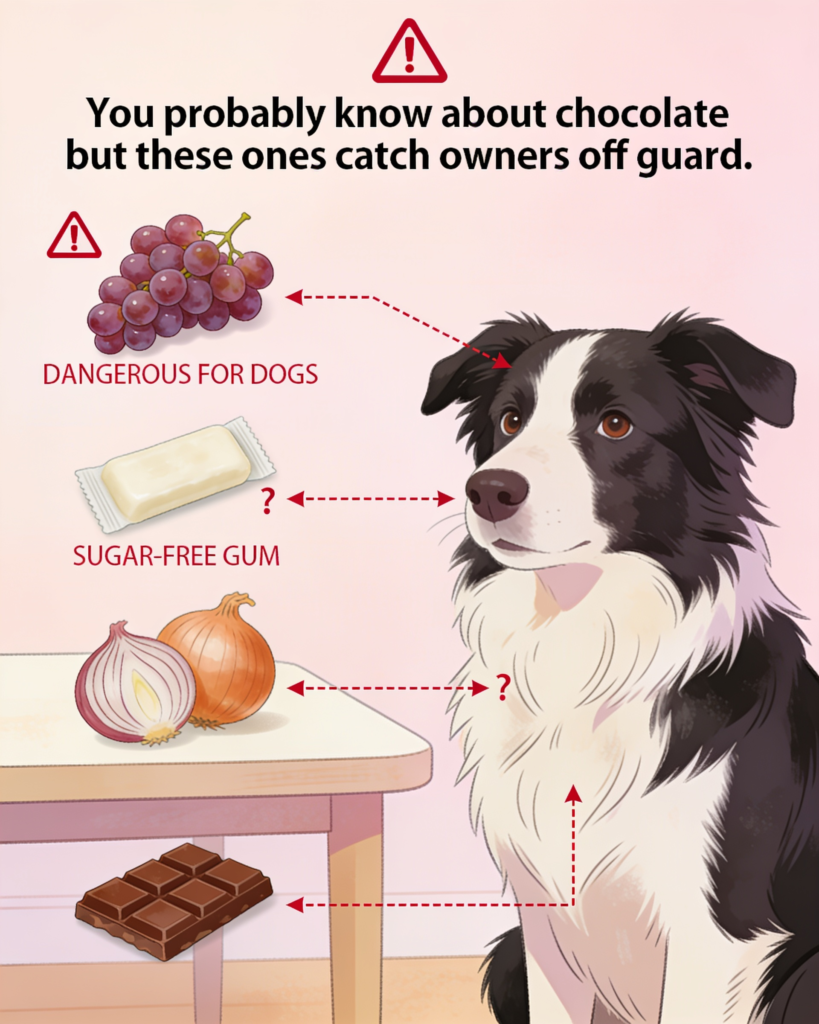
5. Not All Human Foods Are Safe and Some Are Instantly Dangerous
Most owners know chocolate is toxic, but the list goes much further than that. Grapes and raisins can cause sudden kidney failure. Xylitol found in sugar-free gum, peanut butter, and many baked goods can be fatal in small amounts. Onions and garlic damage red blood cells. Macadamia nuts cause neurological symptoms. The safest rule is to research before sharing anything from your plate, not after.
👉 Full list here: [9 Human Foods That Are Dangerous for Dogs]
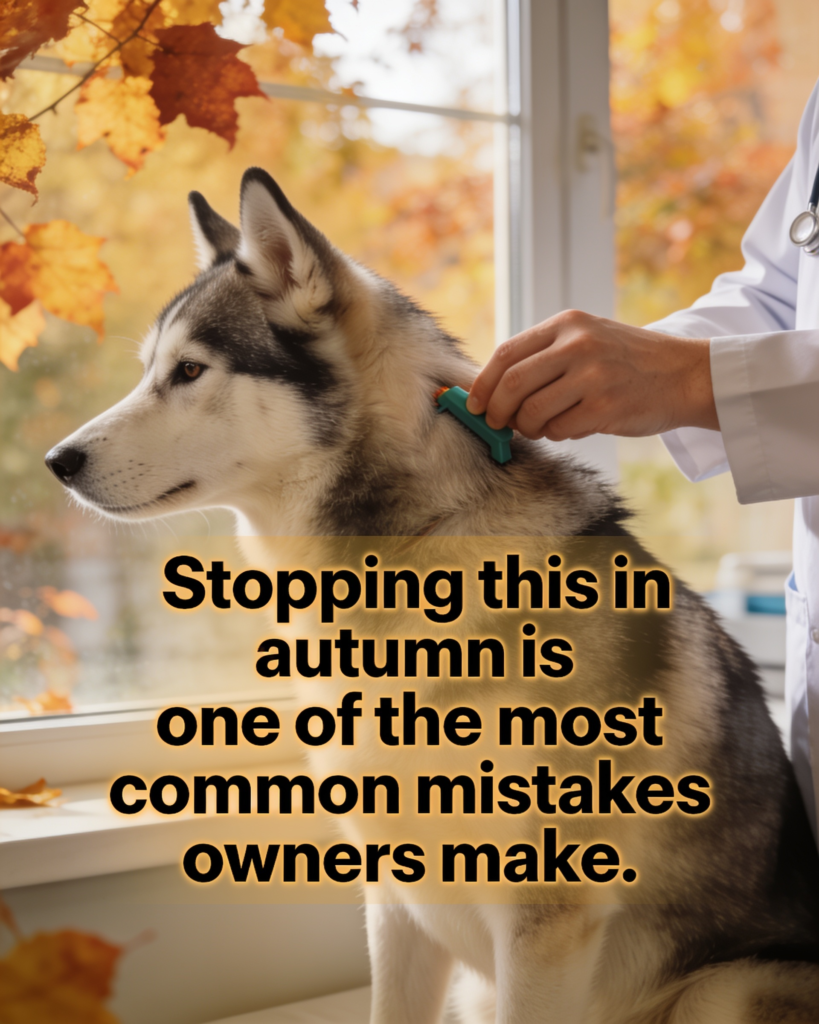
6. Parasite Prevention Should Run Year-Round
Many owners treat parasite prevention as a warm-weather concern and stop in autumn. But fleas survive indoors all year, ticks are active in temperatures as low as 4°C, and heartworm-carrying mosquitoes don’t follow a neat seasonal calendar in most regions. Year-round prevention with vet-recommended products is simpler, cheaper, and far safer than treating an established infection. Heartworm disease in particular is devastating, expensive to treat, and entirely preventable with a monthly tablet.
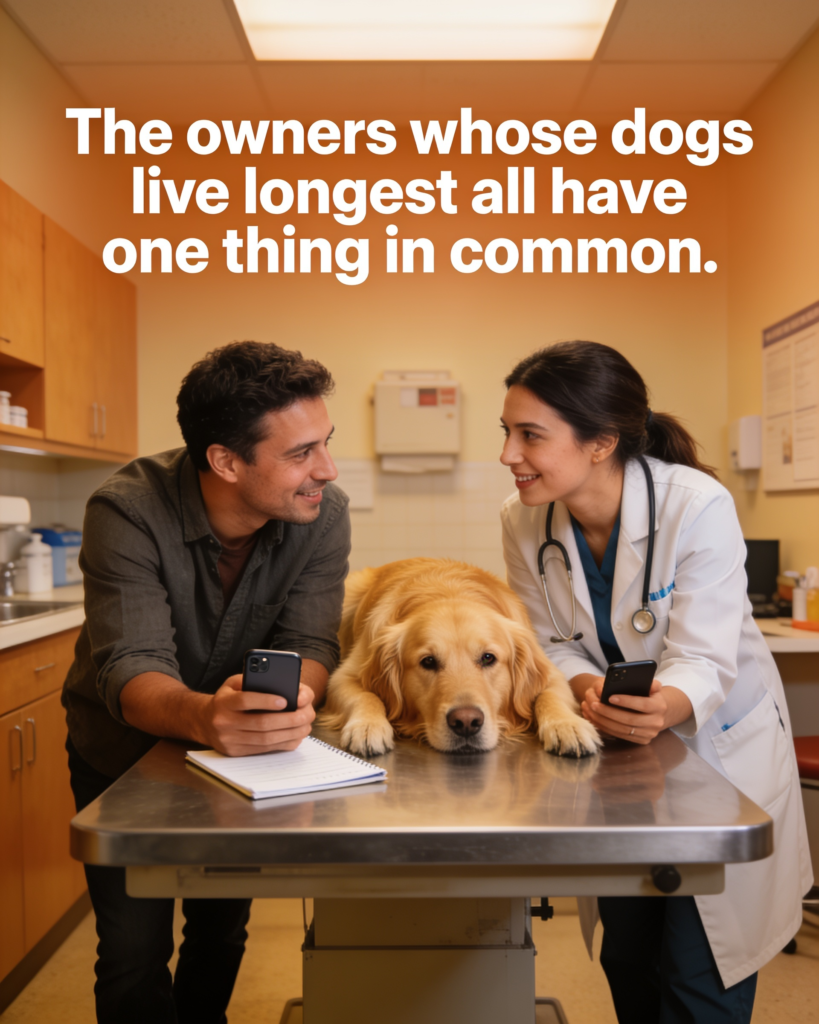
7. The Relationship Between You and Your Vet Works Best as a Partnership
Vets can only work with what they’re told. If you’ve noticed something unusual — even something that seems minor or embarrassing — mention it. Owners who communicate openly, ask questions, and follow through on recommendations get dramatically better outcomes for their dogs. Don’t Google a symptom and arrive convinced of a diagnosis. Do arrive with observations, questions, and an open mind. The owners whose dogs live the longest are almost always the ones who treat their vet as a partner, not just a service.