11 Signs Your Dog Is Stressed or Anxious
Dogs don’t have the luxury of telling us when something is wrong but stress and anxiety leave unmistakable marks on their behavior and body. The tricky part is that many of these signs are easy to dismiss as quirks or bad behavior. Learning to recognize them for what they are changes everything about how you respond. Here are 11 signs your dog may be more stressed than you realize.
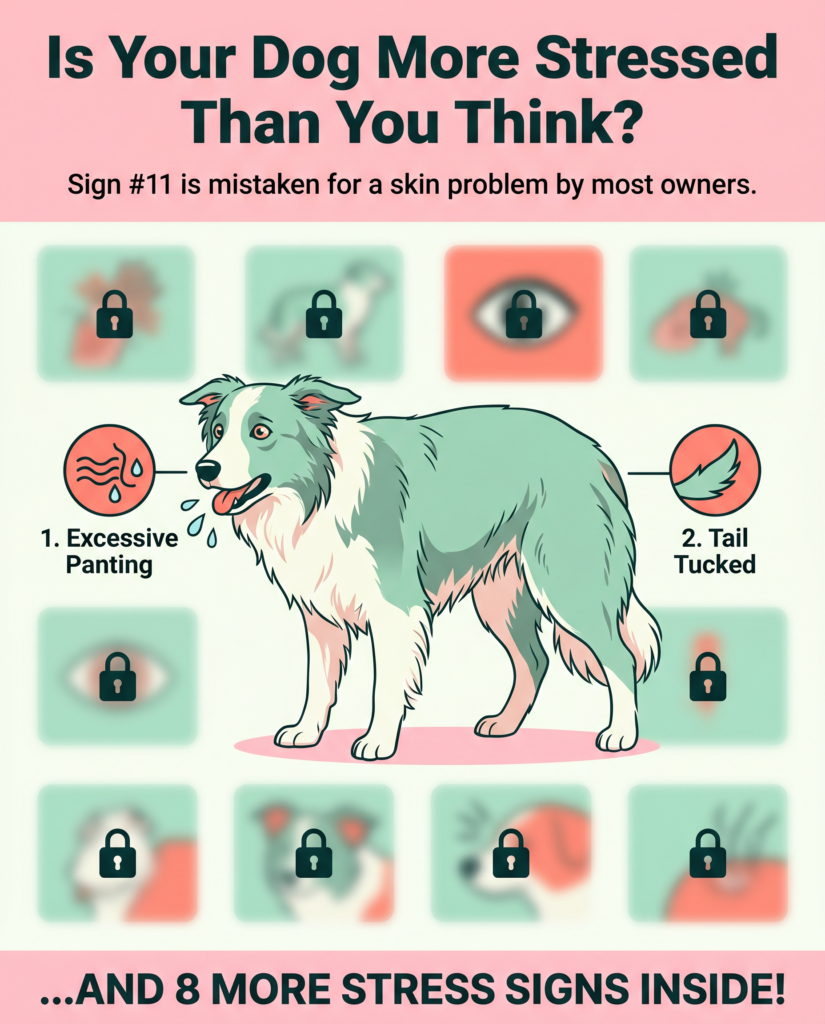
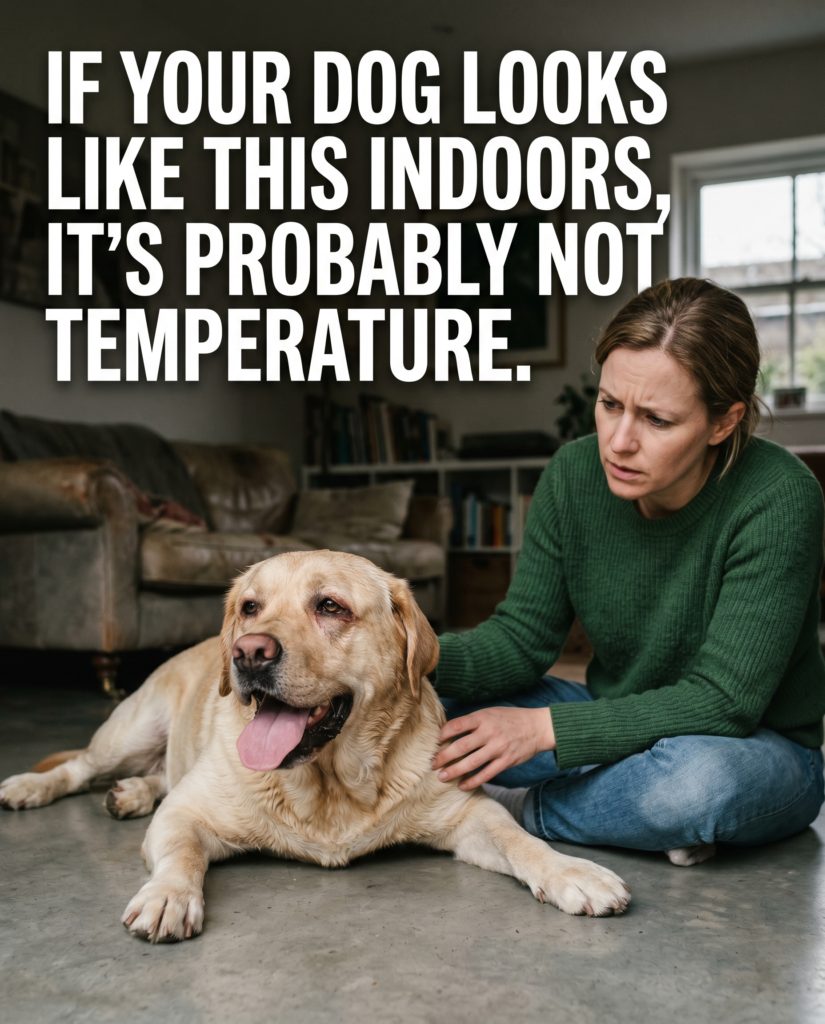
1. Excessive Panting When Not Hot or Tired
Panting is normal after exercise or in warm weather but a dog that pants heavily while resting indoors in a cool room is often doing so because of stress or anxiety. It’s one of the body’s automatic stress responses and is commonly seen during thunderstorms, fireworks, car rides, or vet visits. If your dog is panting and you can’t identify a physical reason, anxiety is usually the answer.
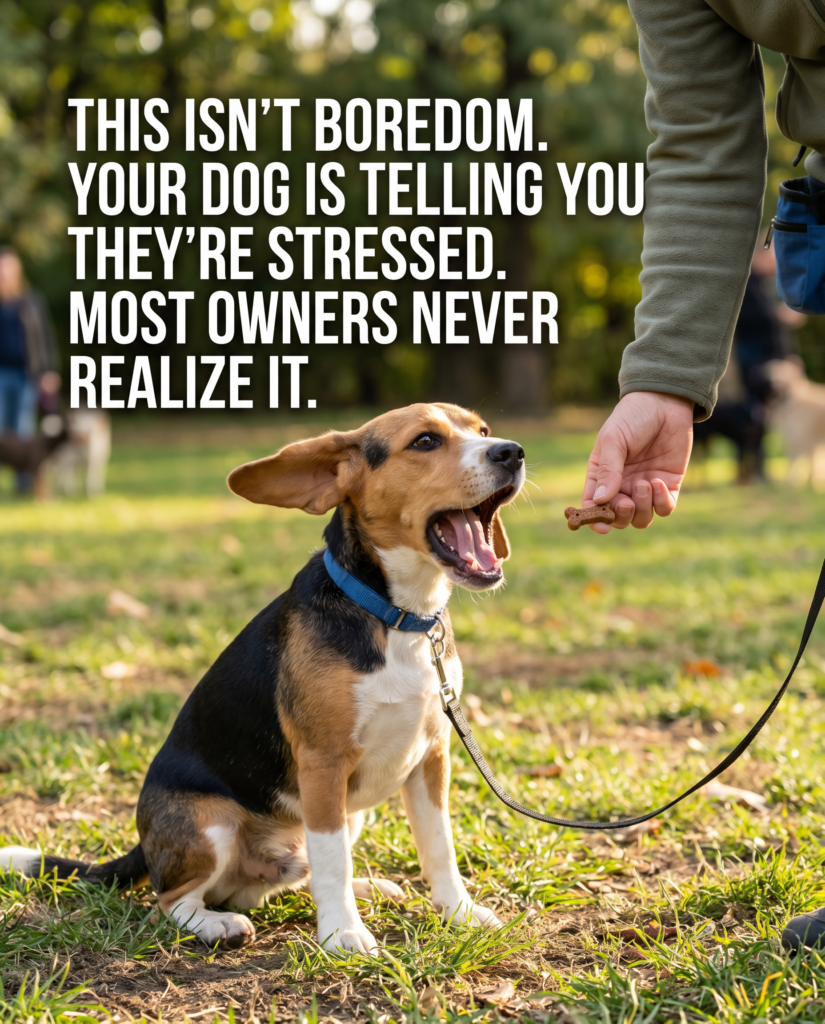
2. Yawning, Lip Licking, and Nose Licking
These are calming signals subtle communication tools dogs use to tell the world they’re uncomfortable and want things to de-escalate. A dog that yawns repeatedly during a tense moment, or keeps flicking their tongue to their nose, is showing low-level stress that’s easy to miss. Once you know what to look for, you’ll start seeing these signals constantly in everyday situations.
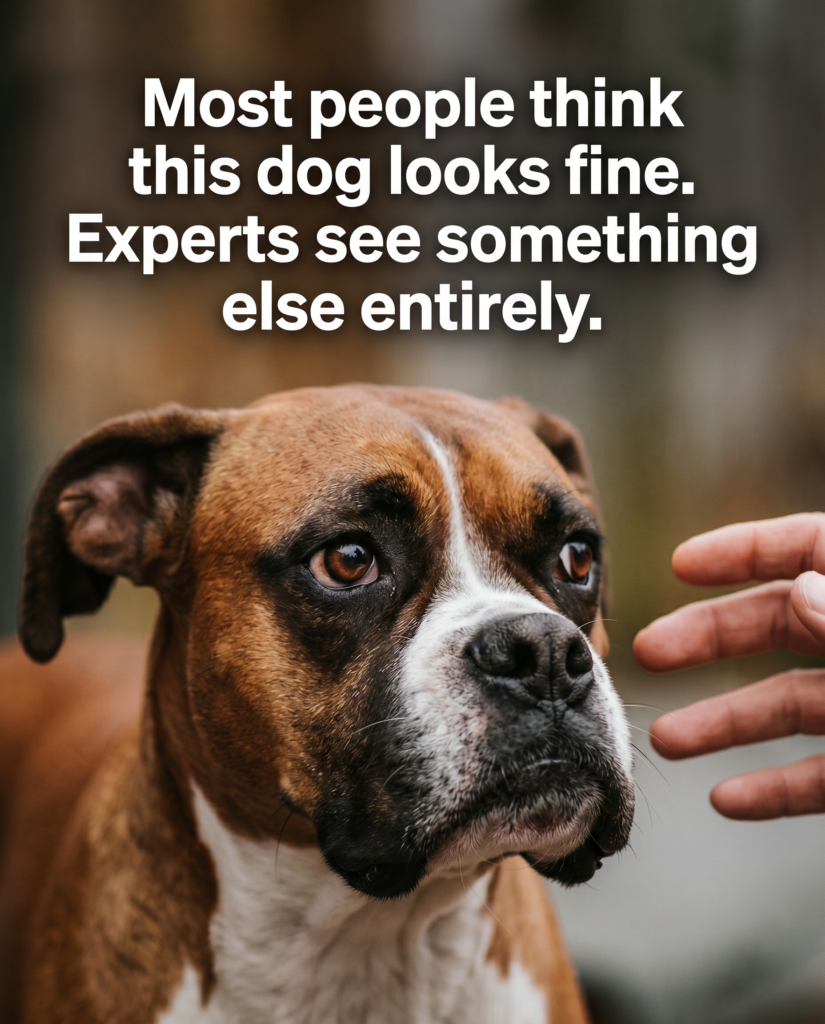
3. Whale Eye and Averted Gaze
When a dog turns their head away but keeps their eyes locked on something showing the whites it’s called whale eye, and it’s a reliable sign of discomfort. Combined with an averted gaze and a stiff body, this tells you the dog is trying to avoid a confrontation they feel they can’t escape. It’s frequently misread as guilt or stubbornness.
4. Ears Pinned Back
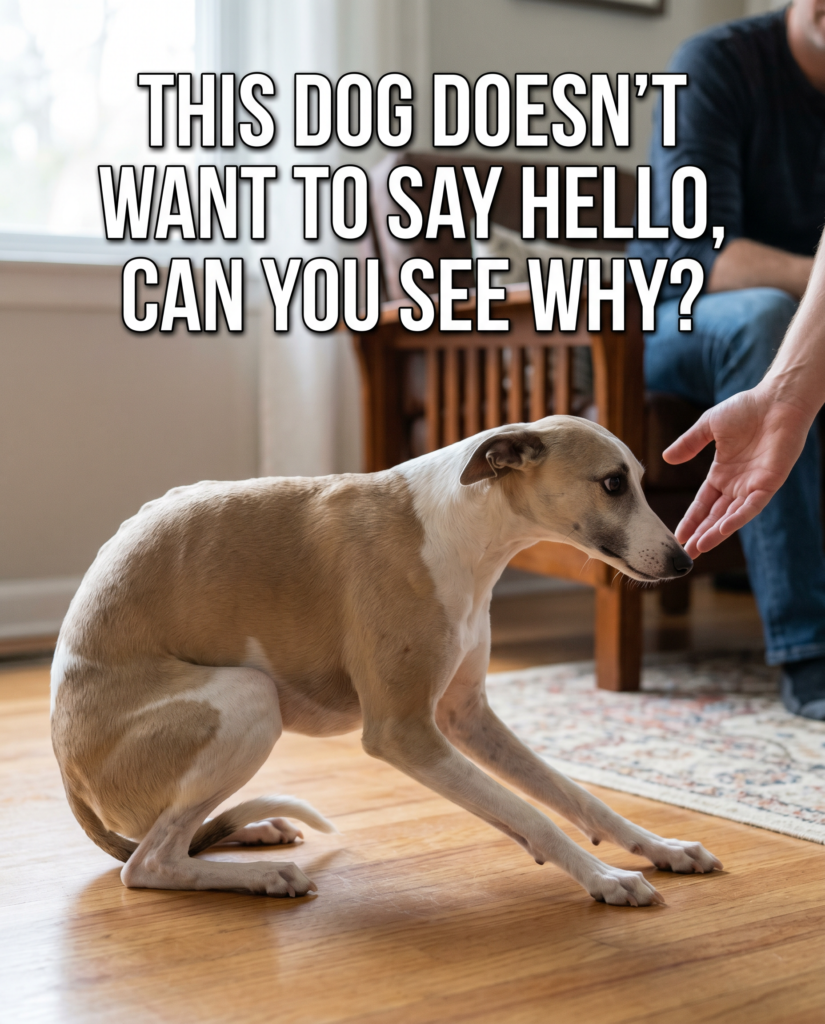
Flattened ears are one of the most visible signs of anxiety or fear. When a dog pulls their ears tight against their skull, they’re communicating that they feel threatened or overwhelmed. This is especially important to notice during greetings with strangers or other dogs a dog with pinned ears is not in the right headspace for a social interaction, no matter how much the other party wants one.
5. Tail Tucked Between the Legs
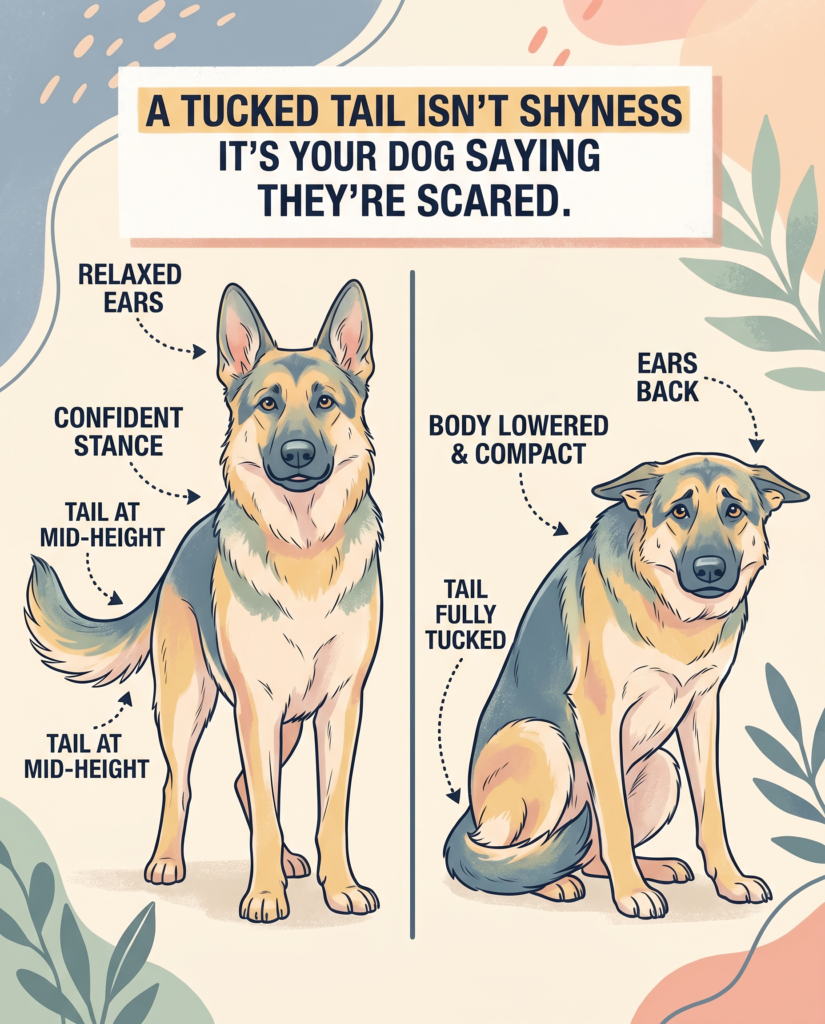
A tail tucked under the belly is the body’s physical expression of fear and submission. It’s the dog making themselves as small as possible, trying to signal that they pose no threat. Chronic tail tucking not just in obviously scary situations can indicate a dog living with ongoing low-level anxiety that’s worth addressing.
6. Destructive Behavior When Left Alone
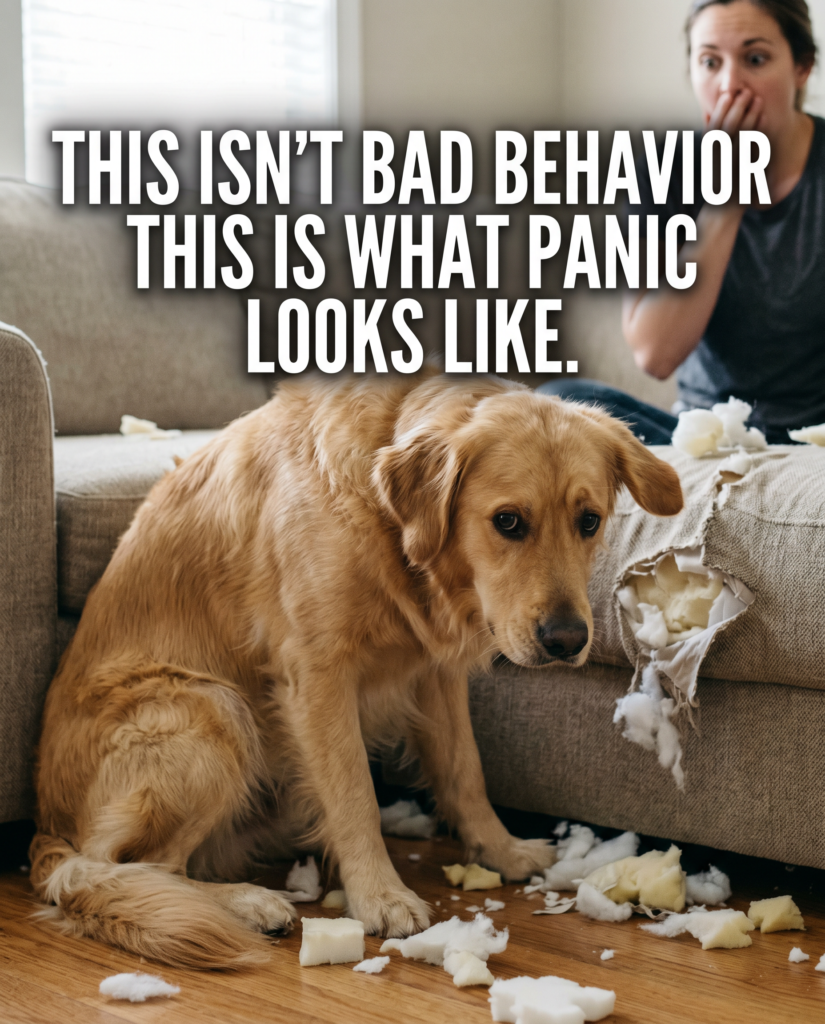
Chewed furniture, scratched doors, shredded pillows these are classic signs of separation anxiety rather than deliberate bad behavior. The destruction almost always happens within the first 30 minutes of the owner leaving and is the dog’s way of coping with the panic of being alone. Punishing a dog for this after the fact achieves nothing the behavior needs to be addressed at the root cause.
7. Excessive Barking or Howling
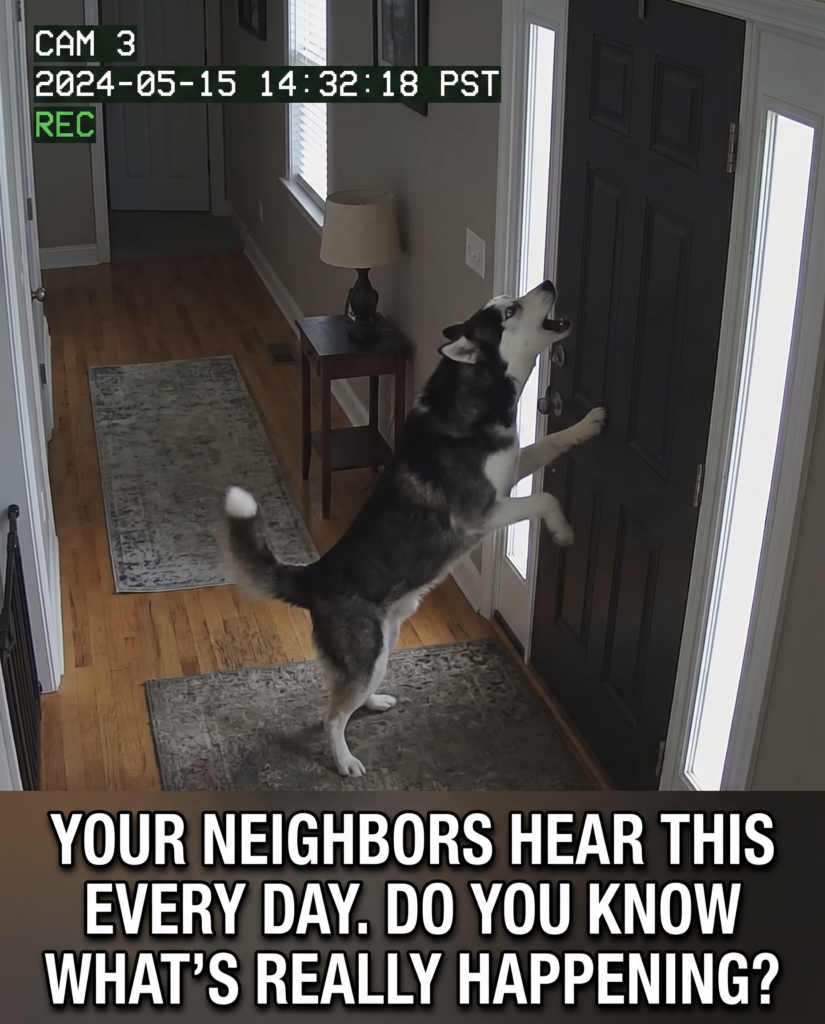
A dog that barks or howls persistently when alone, or reacts with intense vocalization to triggers that wouldn’t normally warrant it, is often driven by anxiety rather than habit. Neighbors frequently report this behavior to owners who had no idea it was happening. Recording your dog with a camera when you leave the house is the fastest way to find out what’s really going on in your absence.
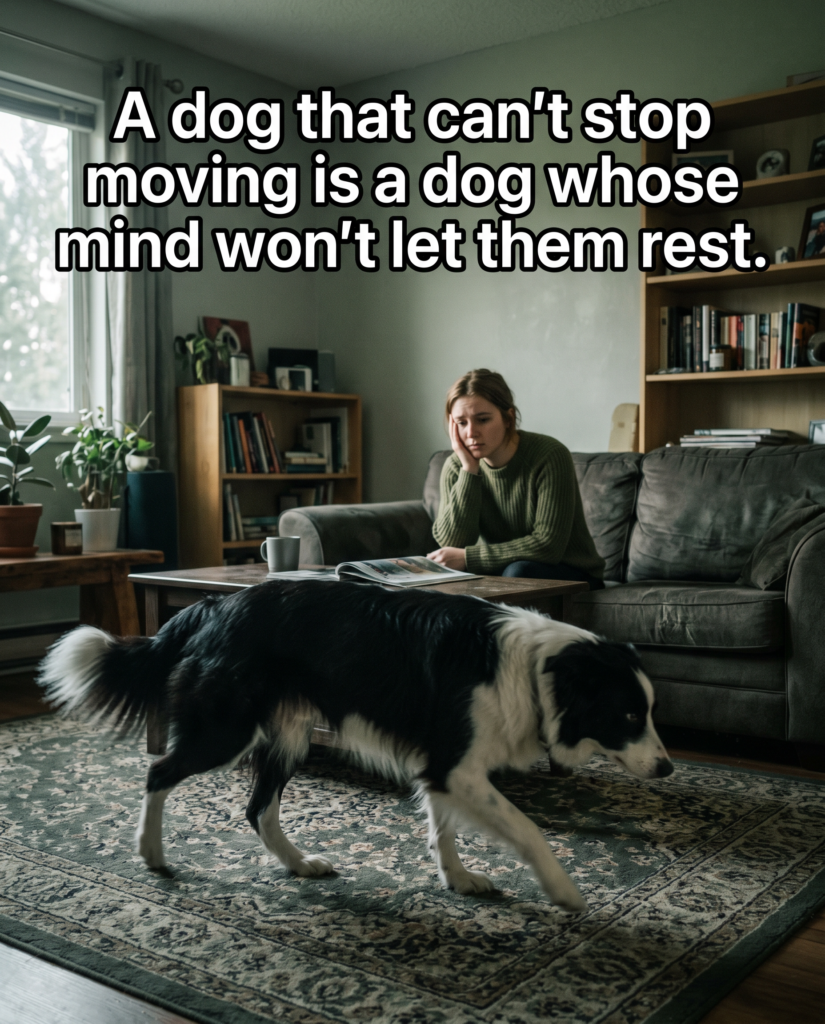
8. Pacing and Inability to Settle
A stressed dog cannot relax. If your dog circles the room repeatedly, can’t find a comfortable position, gets up and lies down over and over, or seems restless despite having been exercised, their nervous system is in overdrive. This is particularly common before anticipated stressful events a vet visit, a thunderstorm, or even a change in the household routine.
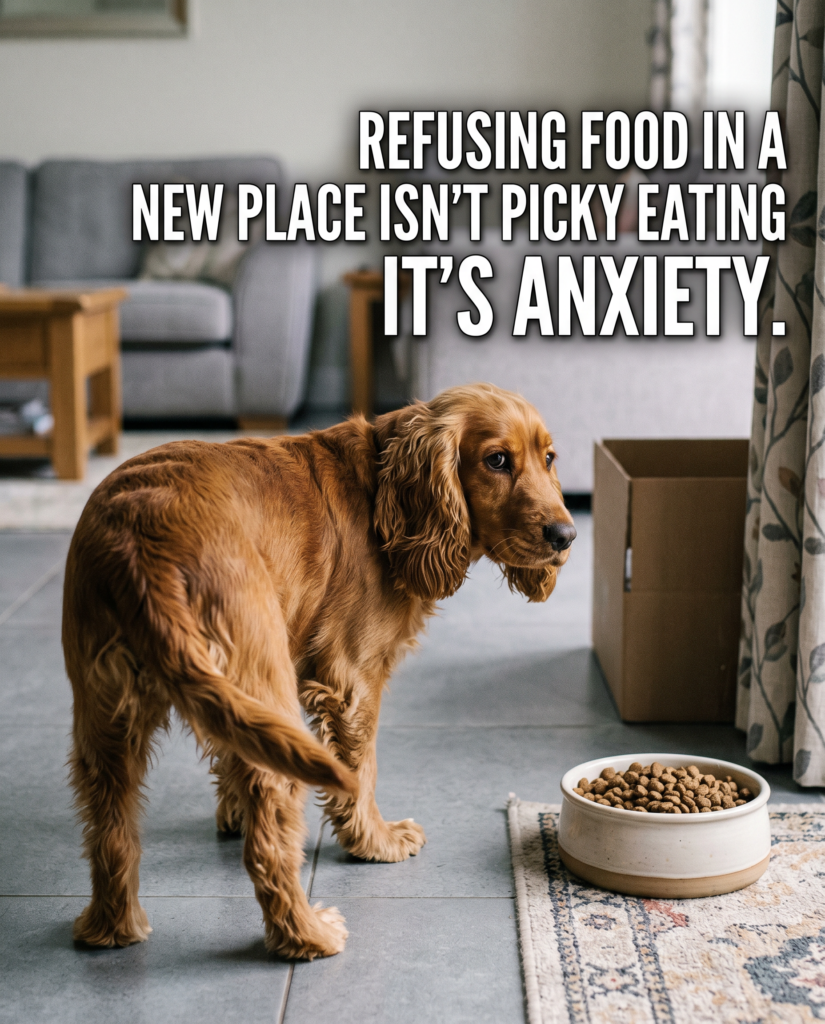
9. Loss of Appetite in Familiar Situations
A dog that normally eats enthusiastically but suddenly loses interest in food especially in a new environment or during a stressful period is showing a classic anxiety response. Stress suppresses appetite in dogs just as it does in humans. If your dog refuses food during a specific situation but eats normally at home, the environment or trigger is almost certainly the issue.
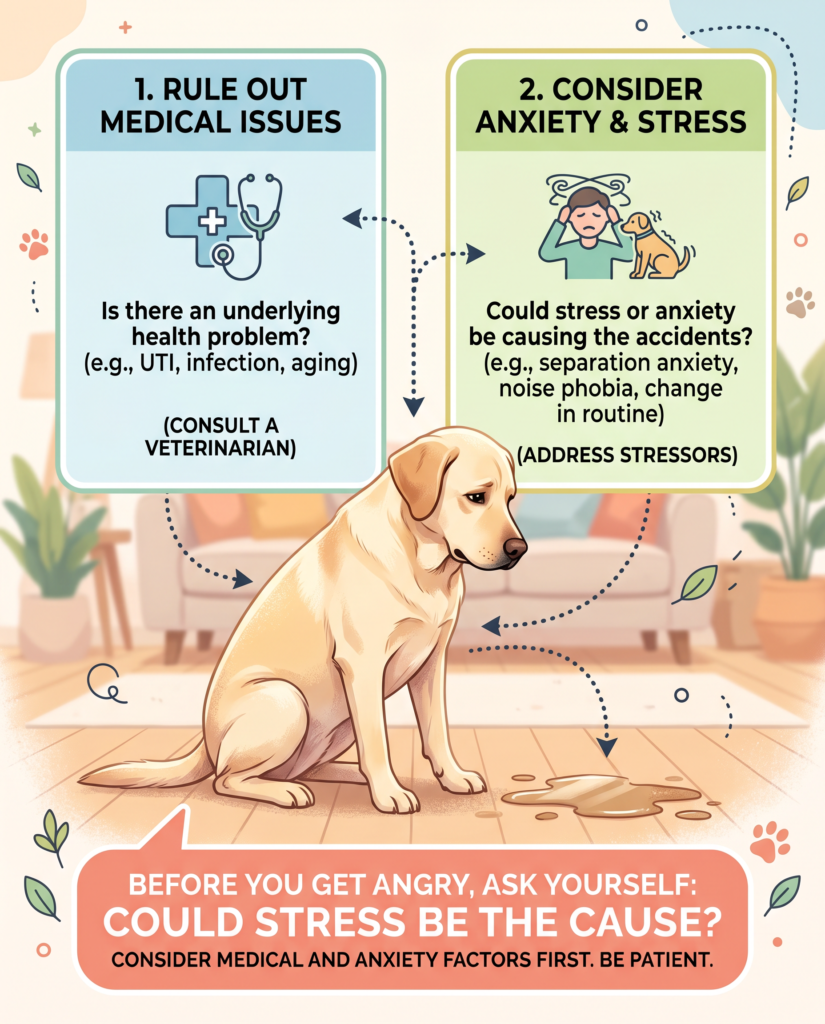
10. Sudden House Training Accidents
A previously house-trained dog that starts having accidents indoors without any medical explanation is often experiencing anxiety. Stress directly affects bladder and bowel control, and a dog in a state of high anxiety simply cannot hold it the way they normally would. Before assuming it’s a training regression, rule out both medical causes and significant stressors in the dog’s environment.
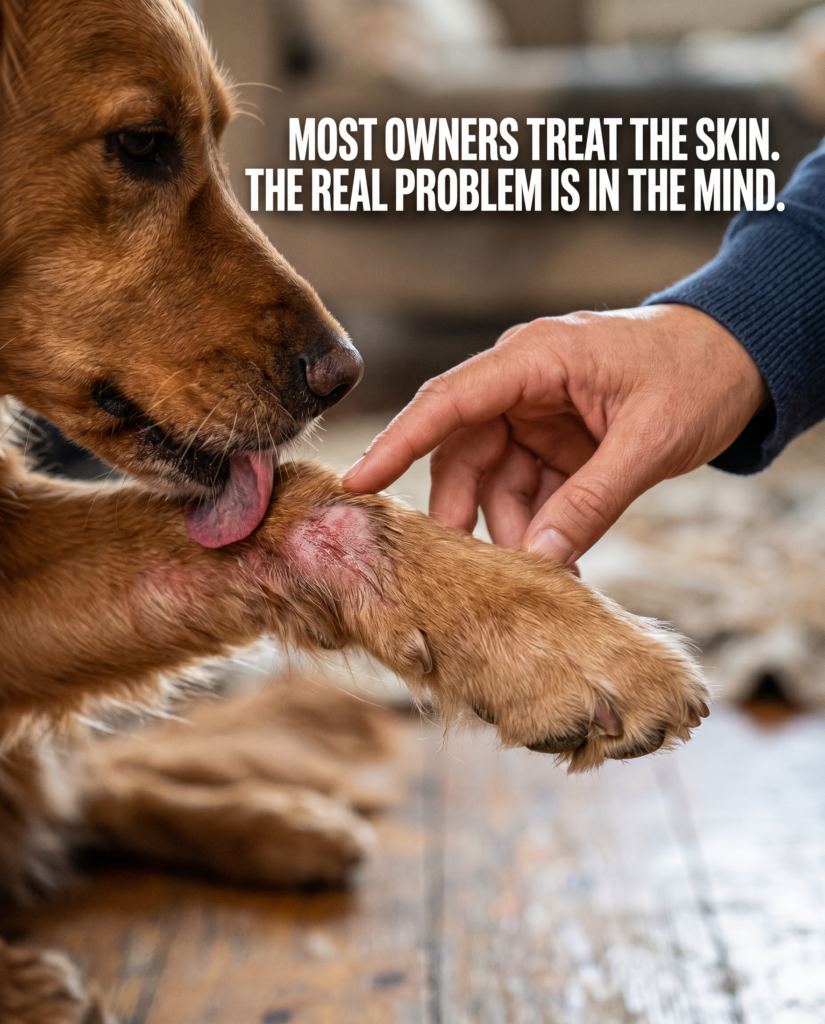
11. Excessive Grooming or Self-Directed Behaviors
Dogs under chronic stress sometimes develop repetitive self-directed behaviors excessive licking of their paws or legs, chewing at their tail, or scratching at their skin with no physical cause. Over time, this can lead to bald patches, sores, and skin infections called lick granulomas. These behaviors are a red flag for significant ongoing anxiety and are worth taking seriously rather than dismissing as a bad habit.