7 Reasons Your Dog Is Ignoring Your Commands
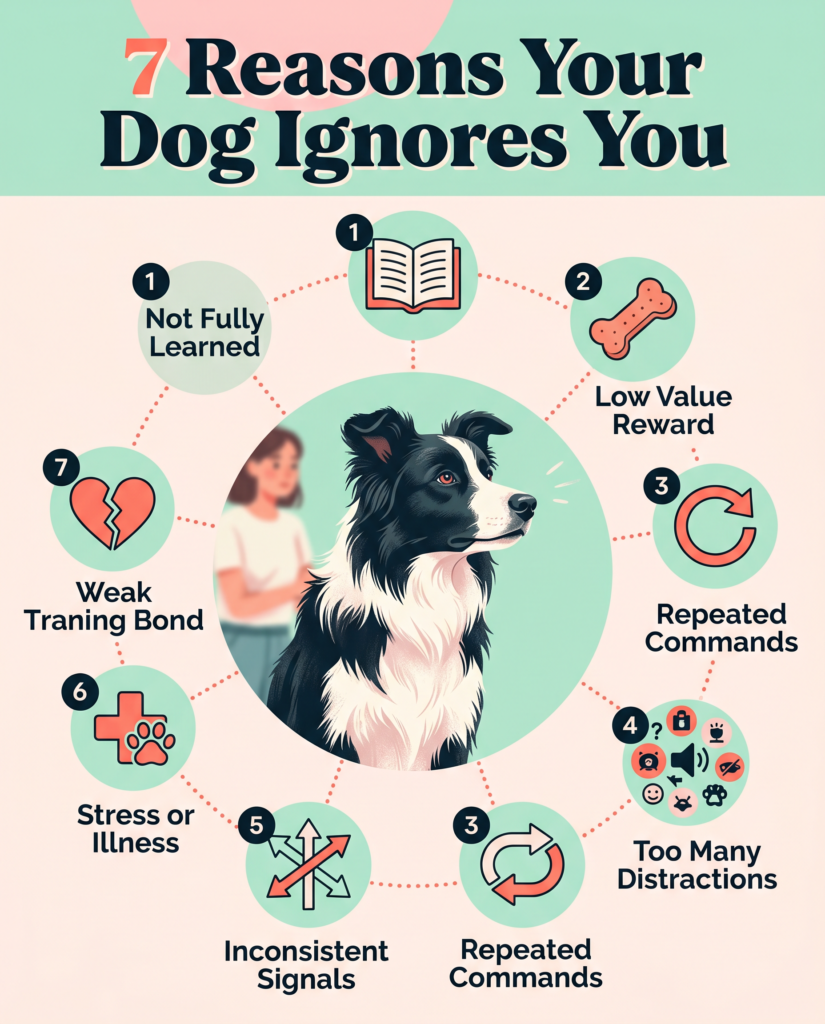
You’ve said “sit” five times and your dog is looking everywhere except at you. Sound familiar? Many owners assume their dog is being stubborn or dominant, but the truth is usually far more practical. Understanding why your dog tunes you out is the first step to fixing it. Here are the 7 most common reasons your dog ignores your commands and what to do about each one.
1. Your Dog Hasn’t Actually Learned the Command Yet
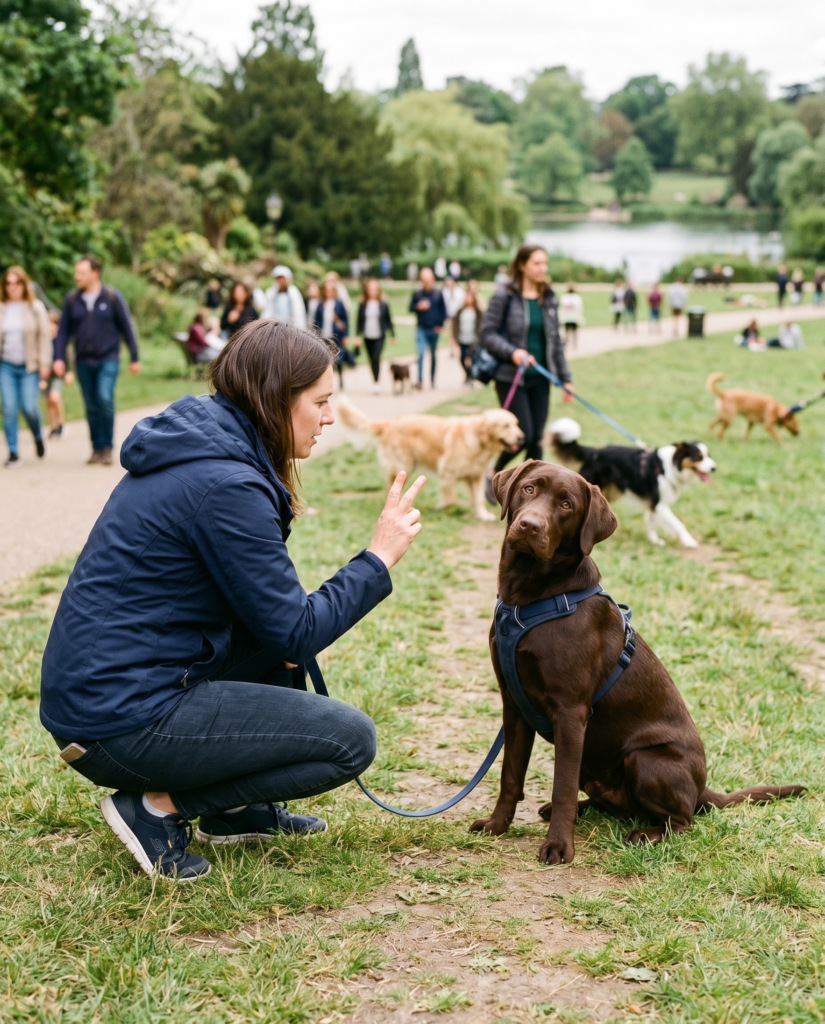
This is the most common reason and the most overlooked. Many owners assume that because their dog has responded to a command a few times, they fully understand it. But dogs need hundreds of repetitions in multiple environments before a command is truly learned. If your dog only practiced “sit” in the living room, don’t be surprised when they look confused at the park. Train in different locations, with different distractions, and at different times of day before assuming the lesson has stuck.
2. The Reward Isn’t Worth It
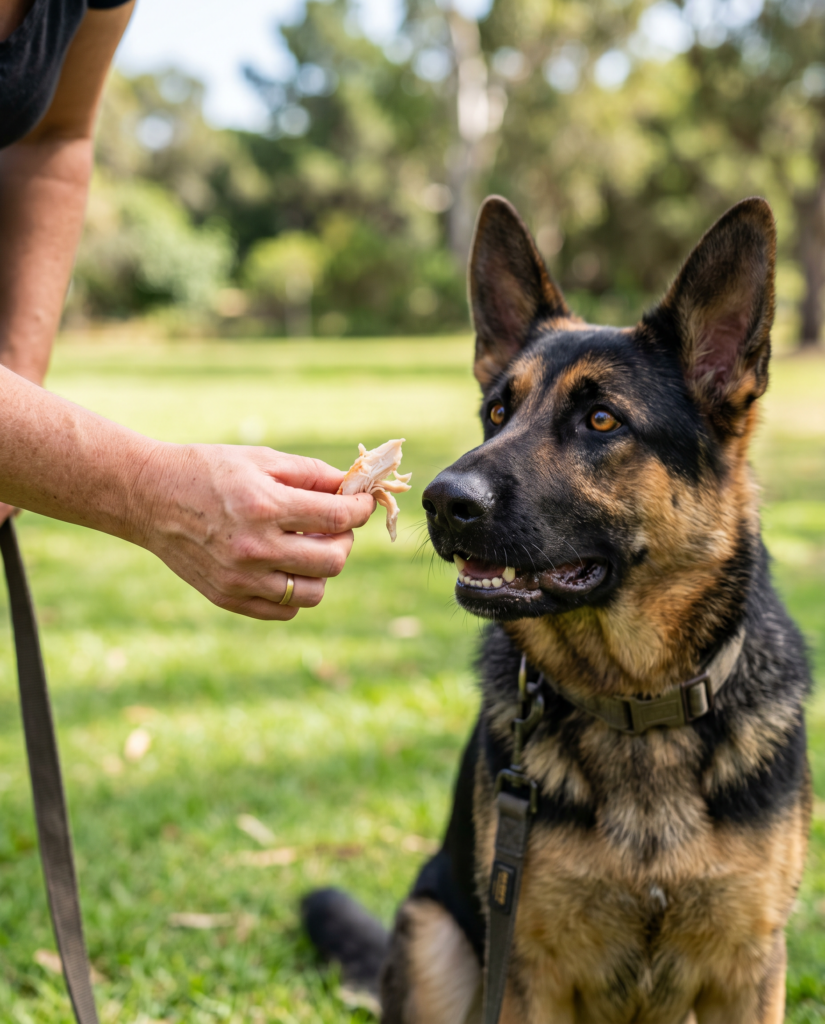
Dogs work on a simple principle if the reward matches the effort, they’ll do it. If you’re asking your dog to come away from sniffing an exciting smell and all you’re offering is a dry kibble, the math doesn’t add up for them. High-distraction situations require high-value rewards. Use real meat, cheese, or whatever your dog finds irresistible when training in challenging environments. Save the boring treats for easy, low-distraction practice at home.
3. You’re Repeating Commands Too Many Times
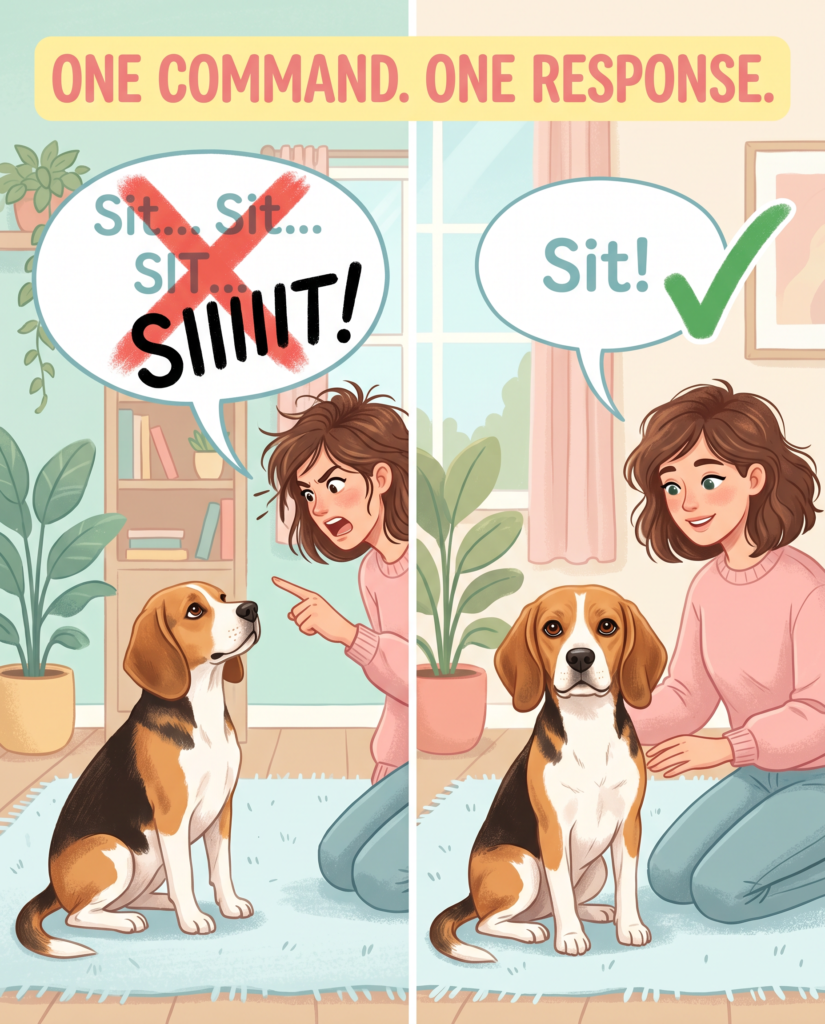
If you say “sit, sit, sit, SIT” until your dog eventually complies, you’ve accidentally taught them that the command means nothing until the fourth repetition. Dogs learn exactly what we train them to learn including that they don’t need to respond the first time. Give the command once, wait, and if there’s no response, either help them into position or walk away and try again in a calmer moment. One command, one response.
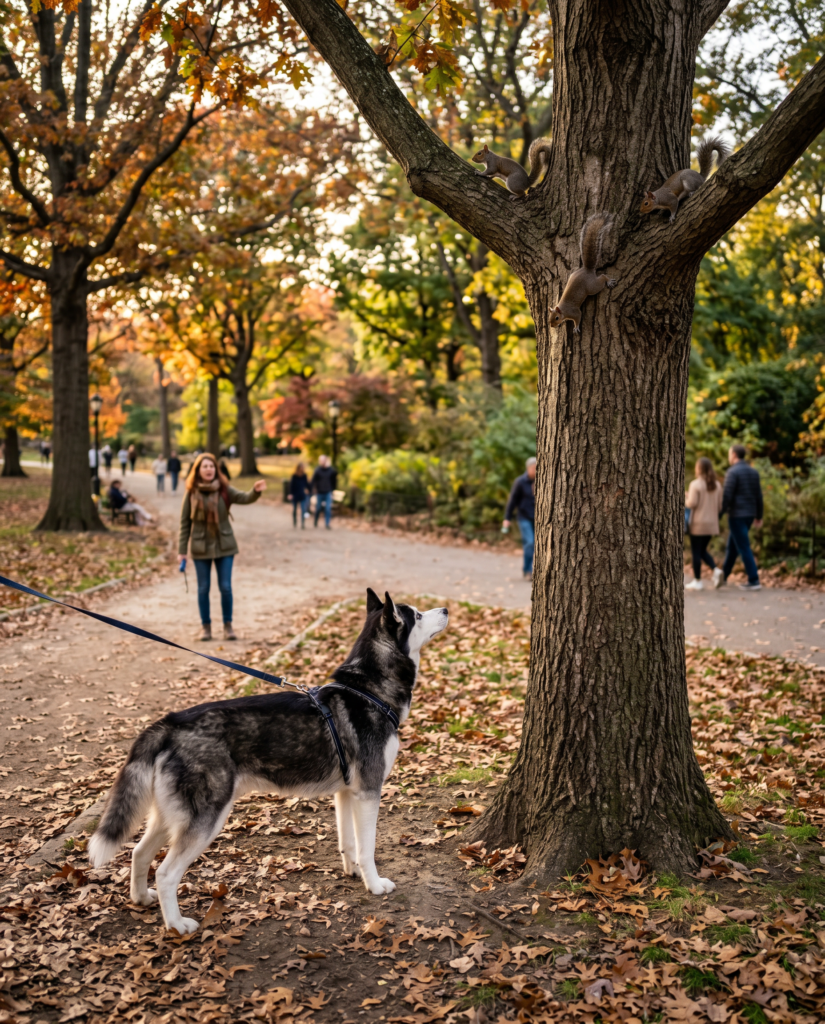
4. There Are Too Many Distractions
Training in a highly stimulating environment before your dog is ready sets them up to fail. A dog that’s surrounded by other dogs, new smells, and exciting activity simply cannot focus it’s not stubbornness, it’s biology. Their brain is in high arousal mode and the part that processes training is temporarily offline. Start training in quiet environments, build a solid response there, then very gradually introduce distractions. Progress slowly and always set your dog up to succeed.
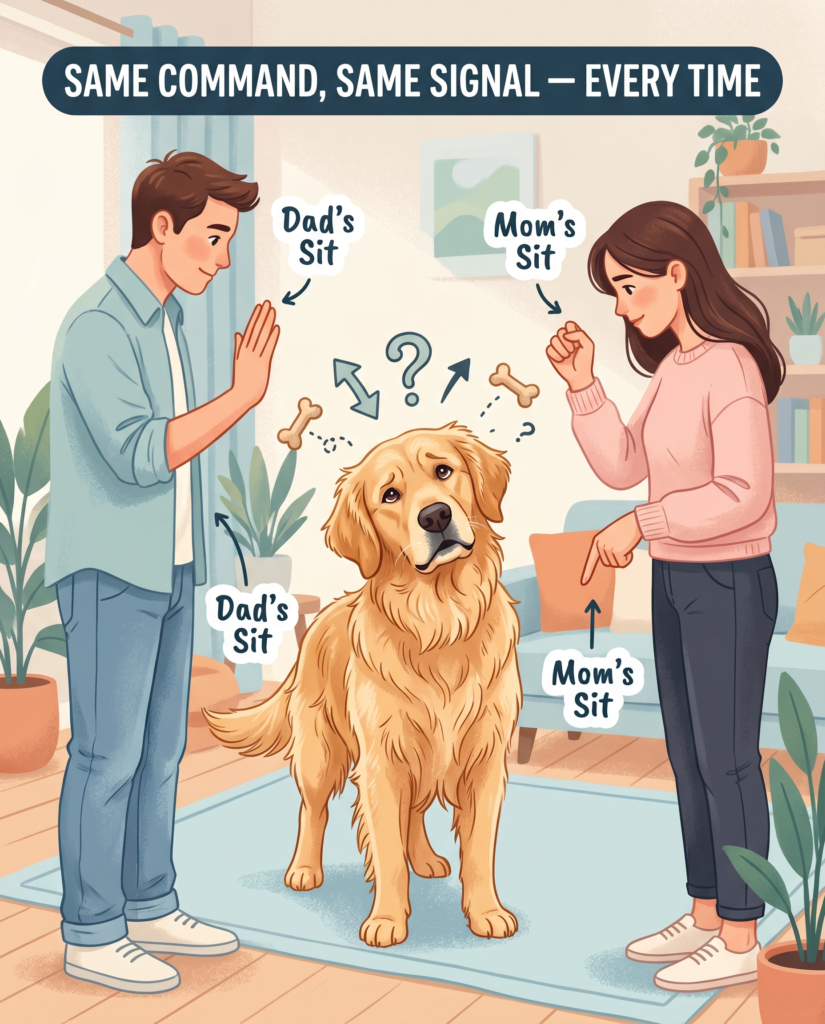
5. Your Body Language and Tone Are Inconsistent
Dogs read body language far more than words. If your verbal command says “sit” but your body is tense, you’re leaning forward aggressively, or your tone sounds frustrated, your dog receives a confusing mixed signal. Equally, if different family members use different hand signals or say slightly different words for the same command, the dog simply doesn’t know what’s being asked. Consistency across everyone in the household is essential for clear communication.

6. Your Dog Is Stressed, Overwhelmed, or Unwell
A dog that is anxious, overstimulated, in pain, or feeling unwell is not in a position to learn or respond to commands. Stress hormones flood the system and make it genuinely difficult for dogs to process information and comply. If your dog suddenly starts ignoring commands they previously knew well, rule out a health issue or a recent stressful event before assuming it’s a training problem. A dog that feels safe, calm, and healthy is always far more responsive.

7. The Training Relationship Needs More Work
Commands don’t exist in isolation they exist within a relationship. Dogs that have a strong, trusting bond with their owner and a positive history of training are far more likely to respond reliably. If training sessions have been stressful, punishing, or inconsistent, your dog may have learned to disengage rather than engage. Short, fun, positive training sessions that always end on a success rebuild that trust and make your dog want to work with you rather than away from you.